Supplements & Brain Health
Good brain health starts with the right foundations. Nutrition and targeted supplementation can play a supportive role in maintaining cognitive function, reducing inflammation, and promoting overall wellbeing — particularly for people affected by TBI, CTE, and other brain injury–related conditions.
On this page, we share evidence-informed information about vitamins, minerals, and nutrients that may support brain health. Our aim is not to replace medical advice, but to help you make informed decisions about safe, responsible supplementation as part of a wider approach to recovery and long-term wellbeing.
Important Considerations For Choosing Supplements
- All supplements must be 100% natural (no synthetics) in a body usable form [fully synthesized], typically classified as 'dietary supplements'.
- All of these supplements are natural i.e. come from foods, they are just in a higher dose.
- Must have medical publications that support the use or intent.
- Must have limited or no side effects from use for you.
- Must be able to cross the Blood-Brain-Barrier (BBB). The Blood-Brain Barrier (BBB) is a highly selective protective filter that separates the bloodstream from the brain tissue, strictly regulating which substances can pass through. In the context of supplements, the BBB acts as a major obstacle, limiting the brain's absorption of many compounds that could be beneficial for neurological health.
- Cannot be pharma, synthetic, or Rx med.
- Has results that can be affirmed by the Brain Injury Group or other users.
- ***Much of what we use is outside the box but is starting to get a following and support for use. The primary reason is that there is no profit for Pharma or drug companies in natural supplements because they cannot patent them or get FDA approval (FDA does not approve natural products)
- We highly recommend that you seek advice from a doctor or medical professional before starting any supplement, especially if you have any other health issues such as heart problems. We cannot be held responsible for any possible side effects you may experience.
Important Disclaimer
The information provided on this website is for educational and informational purposes only. None of the treatments, lifestyle changes, or supplements discussed are cures for CTE or any other neurodegenerative disease. At present, there is no known cure for these conditions.
We strongly encourage you to seek advice from a qualified medical professional, such as a doctor or specialist, before making any changes to your diet, beginning new treatments, or taking supplements. “Natural” does not always mean safe, and some substances may carry risks, side effects, or interactions with medications.
Our goal is to empower individuals with knowledge—not to replace professional medical care.
Tumeric
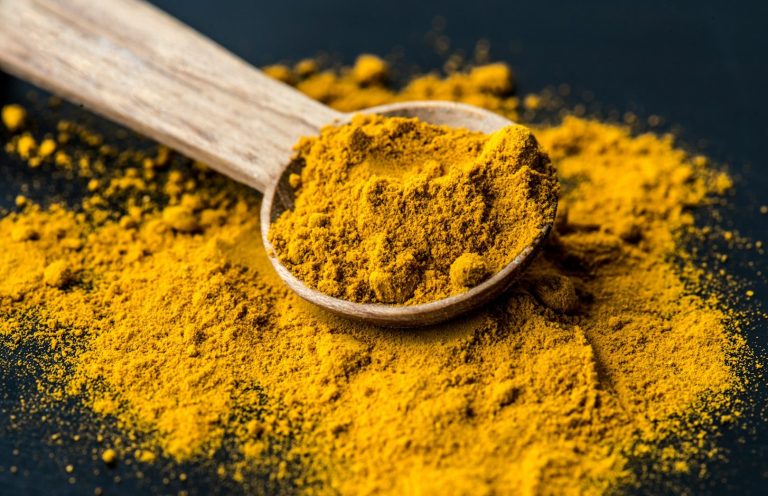
Turmeric's active compound, curcumin, shows significant promise for brain health due to its potent anti-inflammatory and antioxidant properties, potentially protecting against neurodegenerative diseases like Alzheimer's and improving mood/cognition, though results vary in human trials; it works by reducing inflammation, fighting oxidative stress, promoting neurogenesis (new brain cells), and boosting brain-derived neurotrophic factor (BDNF)
Lions Mane

Lion's Mane mushroom is researched for brain health due to compounds like hericenones and erinacines, which may boost Nerve Growth Factor (NGF) to support neuron growth, repair, and protect against cognitive decline, potentially helping with memory, focus, anxiety, and depression, though more human studies are needed. It's studied for conditions like Alzheimer's and Parkinson's, showing promise in animal models, but human evidence is emerging, with some trials showing cognitive improvements
Magnesium
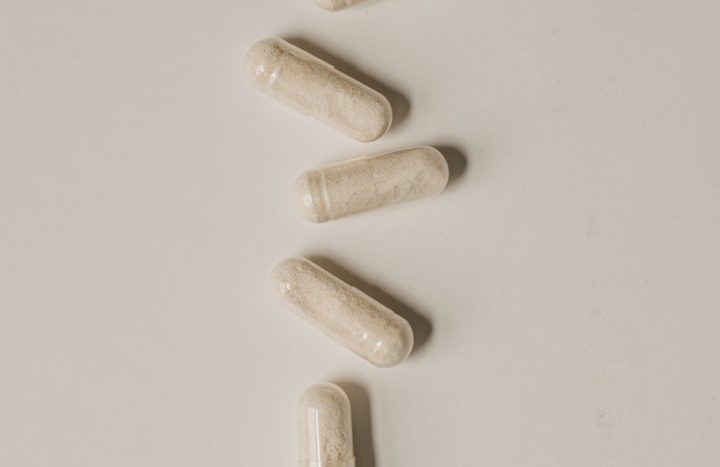
Magnesium (Mg) is an essential mineral for normal brain function. Magnesium glycinate is highly bioavailable and often chosen for its calming effects, which can indirectly support brain health by improving sleep and reducing anxiety.
Vitamin B Complex
B-complex with L-Methyl folate supports brain health by providing the active form of Vitamin B9, crucial for making neurotransmitters (serotonin, dopamine, norepinephrine) for mood, crossing the blood-brain barrier, and benefiting conditions like depression, ADHD, and cognitive decline, especially for those with MTHFR gene variations who struggle to convert standard folic acid. This combination aids methylation, DNA repair, and overall nerve function, enhancing mental well-being and potentially improving antidepressant response.
Omega 3
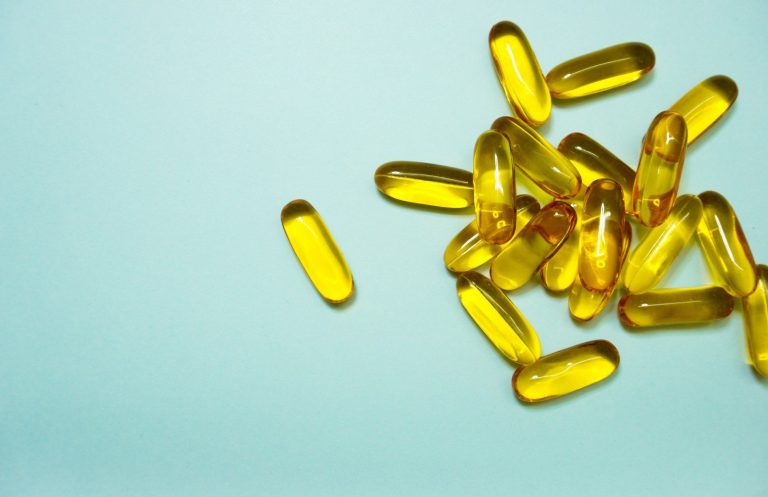
Omega-3s, especially DHA and EPA, are vital for brain health, acting as building blocks for cell membranes, reducing inflammation, and supporting memory, learning, and mood by improving cell communication, blood flow, and protecting against damage, with studies linking adequate intake to better cognitive function and potentially lower dementia risk, though B vitamins might be needed for optimal benefits
Vitamin E
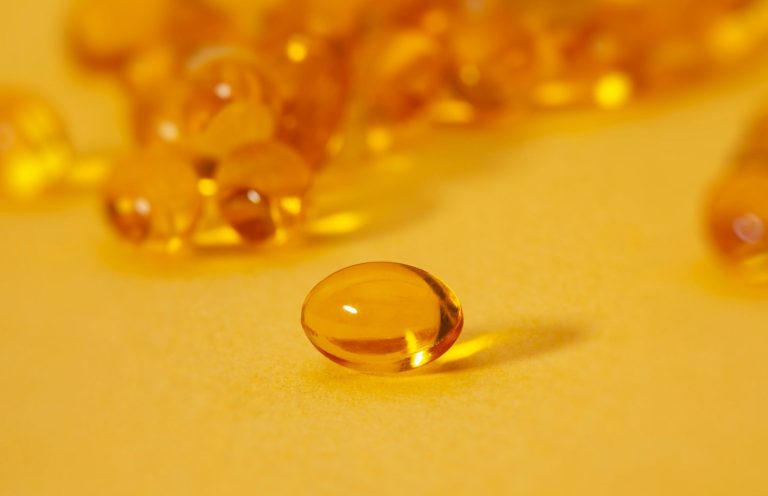
Vitamin E, especially the complex of tocopherols and tocotrienols (the Vitamin E family), is crucial for brain health, acting as a powerful antioxidant that protects brain cells from damaging free radicals, potentially slowing cognitive decline, preventing vascular dementia, and supporting nerve function by helping transport vital omega-3s like DHA. While studies show links between higher Vitamin E levels and better cognition, and deficiencies to nerve damage
Magnolia Bark

Magnolia bark, particularly its compounds honokiol and magnolol, shows significant potential for brain health by acting as a powerful antioxidant and anti-inflammatory, protecting against neurodegenerative diseases like Alzheimer's and Parkinson's, reducing anxiety, improving mood, and enhancing sleep quality through GABA-boosting effects. It supports cognitive function, learning, and memory by maintaining neurotransmitter levels (acetylcholine, serotonin, dopamine) and protecting neurons, offering promise for conditions from stress to dementia
Pro-Biotics

The gut is often referred to as the "second brain" due to its extensive network of neurons (the enteric nervous system) which communicates with the central nervous system (the brain). Probiotics may support brain health through mechanisms
Ashwagandha
Ashwagandha may offer benefits for brain health by helping manage stress, improving memory, enhancing cognitive function, and providing neuroprotection
Bacopa

A new study which concluded that ingesting bacopa brought significant improvements in both memory and cognition skills (concentration, alertness, reasoning and mental flexibility). All types of memory were improved – short-term memory (verbal and spatial), working memory and episodic memory (memory of everyday events)
GABA
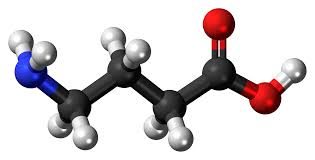
GABA turns off neurotransmitter for fight/flight in amygdala
promote brain health by leveraging GABA's role as the brain's primary calming neurotransmitter, potentially reducing stress, anxiety, and improving sleep
Shilajit

Shilajit is associated with several potential brain benefits, primarily due to its rich fulvic acid content, which has strong antioxidant and anti-inflammatory properties
Benefits reduce brain inflammation/pressure, prevents accumulation of tau protein, removes mercury and heavy metals from brain, builds health Blood-brain-barrier,
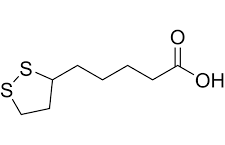
Alpha-Lipoic Acid (ALA) shows significant promise for brain health due to its potent antioxidant and anti-inflammatory properties, helping protect neurons, reduce oxidative stress, and improve function in conditions like Alzheimer's, Parkinson's, stroke, and general age-related cognitive decline by crossing the blood-brain barrier.
Alpha-Lipoic Acid
MCT Oil
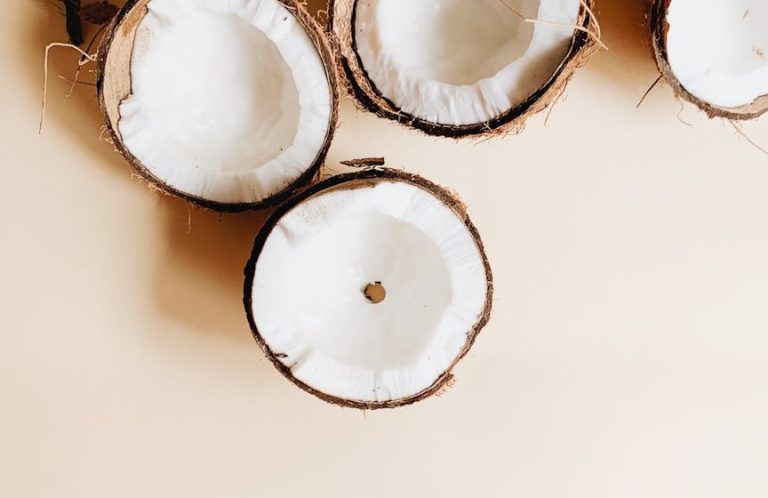
MCT oil supports brain health by providing ketones as an alternative brain fuel, especially beneficial for conditions like Alzheimer's where glucose metabolism is impaired, improving focus, memory, and cognition in some individuals by boosting brain energy. It's rapidly converted to ketones, easily crossing the blood-brain barrier, and shows promise for mild cognitive impairment and epilepsy.
COQ-10
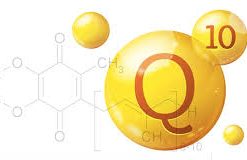
CoQ-10 supports brain health by powering brain cell energy (mitochondria) and acting as a powerful antioxidant, protecting sensitive brain tissue from oxidative stress, which is implicated in neurodegenerative diseases. Animal studies show promise for conditions like Alzheimer's and Parkinson's,
L-Tyrosine
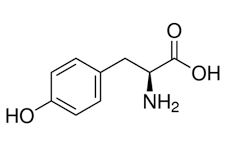
Helps thyroid gland function, helps body's response to acute stress support brain health by providing the building blocks for crucial neurotransmitters like dopamine, adrenaline, and noradrenaline, which enhance mental performance, focus, mood, and stress resilience, particularly under pressure or fatigue. While research shows potential for cognitive function and stress relief, especially in demanding situations.
L-Phenylalanine
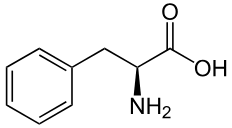
L-Phenylalanine supports brain health by acting as a precursor to essential neurotransmitters like dopamine, norepinephrine, and epinephrine, which regulate mood, focus, and motivation, helping with stress, cognitive function, and emotional stability. Taking it can boost these feel-good chemicals
Iron
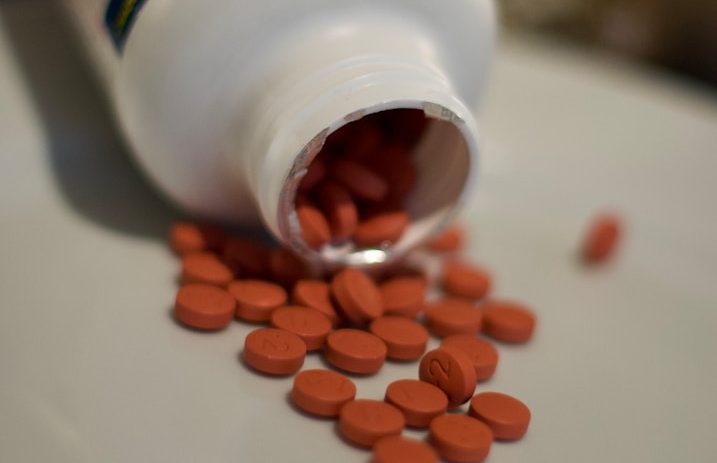
Iron is essential for healthy blood flow and oxygen delivery to the brain, helping to maintain focus, energy, and cognitive function. Supplementing can benefit people affected by TBI, CTE, and other brain injuries, especially when iron levels are low.
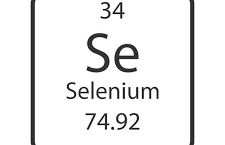
Selenium is a powerful antioxidant that helps combat oxidative stress and supports overall brain health, benefiting people affected by TBI, CTE, and other brain injuries.
Selenium
Zinc
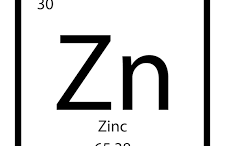
Zinc plays a key role in brain function, immune health, and cognitive performance, helping people affected by TBI, CTE, and other brain injuries maintain focus and overall wellbeing.
Vitamin D
Vitamin D supports cognitive function, mood regulation, and overall brain health, benefiting people affected by TBI, CTE, and other brain injuries.
Vitamin C
Vitamin C is a powerful antioxidant that supports brain health, reduces oxidative stress, and aids overall cognitive function, benefiting people affected by TBI, CTE, and other brain injuries.
Choline
Choline is a vital nutrient that supports memory, learning, and overall cognitive function. For people affected by TBI, CTE, and other brain injuries, maintaining healthy choline levels can help boost focus, support brain repair, and enhance mental clarity. Including choline in your diet or through supplements is a simple way to give your brain the nutrients it needs to stay strong and resilient.
Trytophane
Tryptophan is an essential amino acid that helps produce serotonin, the brain’s “feel-good” chemical, supporting mood, sleep, and overall mental wellbeing. For people affected by TBI, CTE, and other brain injuries, maintaining healthy tryptophan levels can improve sleep, reduce stress, and enhance cognitive function. Including tryptophan in your diet or through supplements is a simple way to nourish your brain and support emotional resilience.
Are you experiencing a mental health crisis?
There is help for you!
Shout: For 24/7 text support, text SHOUT to 85258 or click HERE
NHS 111 Online or Phone: If it's not an emergency but you need urgent help with your mental health, you can access NHS 111 online or by calling 111
Samaritans: Call 116 123 to talk , or email: jo@samaritans.org for a reply within 24 hours or click HERE
CALM - 0800 585 858 or click HERE
Mind - 0300 1233 393 or click HERE
No Panic - 0844 9674 848 or click HERE
National Domestic Abuse - 0808 2000 247 or click HERE