A brief history of violent and contact sports and the theory of why society loves contact sports
Why Does Society Love Violent Sports?
If you search online for the most popular sports in the world, two patterns quickly emerge:
They generate enormous amounts of money.
Many involve physical contact, collision, or a significant risk of injury.
This raises an uncomfortable question: why does society, which largely condemns violence in everyday life, embrace and celebrate it in sport?
Marshalling Brain Injuries Alliance ask that question not as an outsider, but as someone who has lived it.
Let us be clear: this is not an argument against sport. Violent or collision sports are woven into our culture and history. The issue is not whether these sports should exist — it is whether governing bodies are doing enough to protect the athletes who make them possible.
Facts and figures for the worlds most popular sports
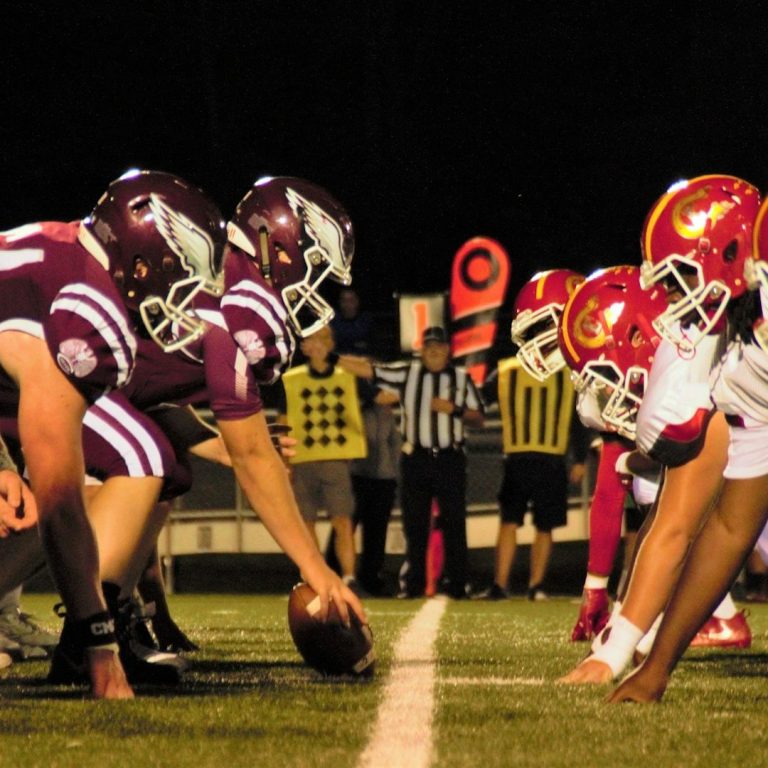
- NFL (American football)generated over $23 billion 2024, and has over 410 million fans globally
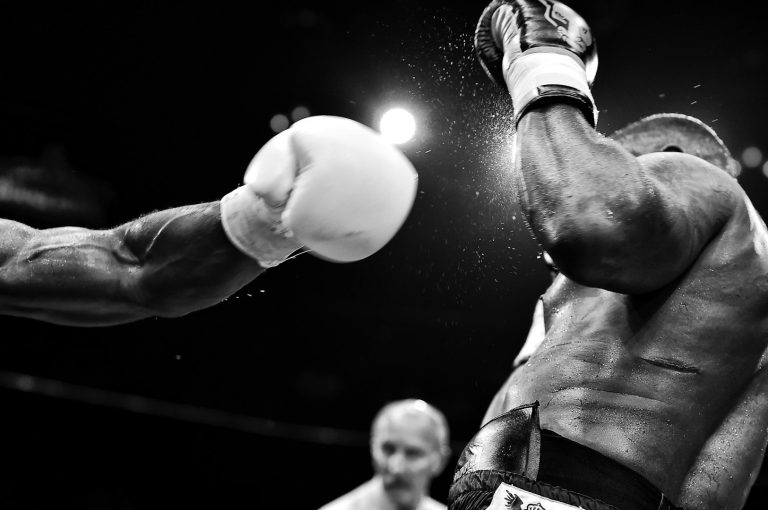
- The boxing market was valued at $8.2 billion in 2024, with over 350 million fans globally
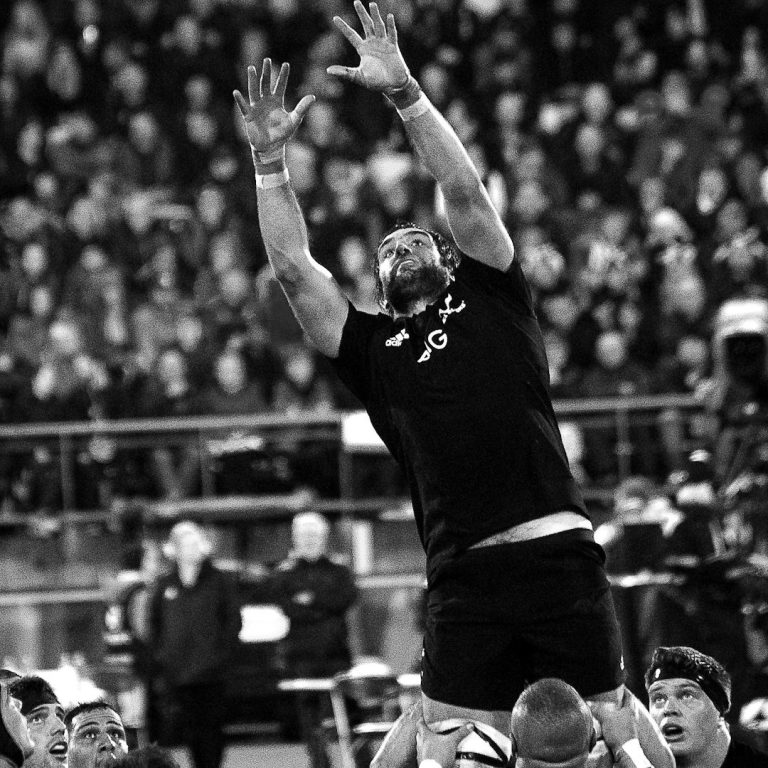
- The RFU (Rugby football union)reported generating over £221.4 million for 2022/2023
- The Rugby premiership in England generated £191 million in 2022/2023
- Global rugby goods (equipment, apparel) generated over $10 billion in 2024 with a fan base of around 475 million
- Ice hockey, NHL (national hockey league) generates around $6 billion per year, with an estimated fan base of 23 million
- AFL (Australian Football league, also known as Aussie Rules) generated $1,045,287,000 in 2024, with over 9 million fans
- Football (otherwise known as Soccer) is expected to have a global revenue of $59.10billionn in 2024, with an estimated fan base of over 3.5 billion
- UFC (Mixed Martial Arts or MMA) generated approximately $1.406 billion in revenue in 2024, with a fan base of around 625 million
- The Professional Rodeo Cowboys Association (PRCA) reported an income or over $19 million for 2023, and has an estimated fan base of around 43 million
Sport Is as Old as Humanity
Sport is defined as:
“An activity involving physical exertion and skill in which an individual or team competes against another or others for entertainment.”
The Council of Europe expands this to include improving physical fitness, mental wellbeing, social relationships, and competition at all levels.
The earliest evidence of organised sport dates back thousands of years. Cave paintings in France from over 17,000 years ago depict sprinting and wrestling. Neolithic art in Mongolia shows wrestling matches with spectators around 7000 BC.
The Ancient Greeks formalised the Olympic Games more than 2,000 years ago, featuring boxing, wrestling, and racing. The Romans staged gladiatorial contests — brutal spectacles of combat between fighters and wild animals.
From the very beginning, spectators were drawn not just to competition — but to physical dominance, strength, and controlled violence.
Violence, Survival, and Evolution
Early sports mirrored survival skills:
- Running to escape danger
- Fighting to defend territory
- Throwing weapons with accuracy
Watching these contests allowed spectators to experience the thrill of survival without personal risk.
Psychologist Dr Jeffrey Kottler suggests that humans evolved with a capacity for violence as a survival mechanism. In modern life, we rarely face physical threats like our ancestors did — yet those impulses remain.
Sport may provide a socially acceptable outlet.
George Orwell famously wrote in 1945: “Serious sport has nothing to do with fair play… It is war without shooting.”
Modern research supports this metaphor. A 2023 study of rugby fans and players found that participants often described the game using war-like language. Athletes spoke of duty and defence; fans admired aggression within the rules.
Violence, when regulated and framed as “part of the game,” becomes not only acceptable — but admirable.
The Justification of Risk
One of the most striking findings in research on violent sport is how easily spectators justify harm. Fans often distinguish between:
- “Legal” pain (within the rules)
- “Illegal” harm (rule-breaking)
As long as the tackle is permitted, the injury becomes part of the spectacle.
Broadcasters also shape perception:
- Slow-motion replays of heavy collisions
- Commentators describing tackles as “beautiful”
- Players minimising injury in interviews
Hashtags like #beautifulgame and #beautifulmove reinforce this narrative.
Violence becomes aesthetic.
Identity, Belonging, and Community
Sport also satisfies a fundamental psychological need: belonging. Supporting a team provides:
- Shared identity
- Community
- Ritual
- Emotional release
Being a fan becomes part of who we are. For many, it forms a core part of social identity.
The more physically demanding and “tough” the sport, the more it may symbolise resilience, strength, and loyalty — values deeply admired in society.
The Conflict
Here lies the contradiction. Most of us reject violence in everyday life, yet we celebrate it in sport. The difference lies in consent, rules, and cultural framing. In sport, violence is ritualised, regulated, and purposeful.
But consent does not eliminate risk.
Today we know more than ever about:
- Concussion
- Sub-concussive impacts
- Cumulative brain trauma
- Long-term neurodegenerative disease
Former athletes diagnosed with CTE often say the same thing: they are not asking for their sport to disappear — they are asking for player welfare to come before profit.
Sport Isn’t the Problem — Priorities Are
Violent and collision sports are unlikely to vanish. In many ways, they reflect deep human psychology and centuries of cultural tradition.
The question is not whether these sports should exist.
The question is whether governing bodies are willing to:
- Follow the science
- Enforce stricter concussion protocols
- Improve reporting systems
- Extend recovery timelines
- Prioritise independent medical oversight
In other words: are they willing to truly put player welfare first?
Are you experiencing a mental health crisis?
There is help for you!
Shout: For 24/7 text support, text SHOUT to 85258 or click HERE
NHS 111 Online or Phone: If it's not an emergency but you need urgent help with your mental health, you can access NHS 111 online or by calling 111
Samaritans: Call 116 123 to talk , or email: jo@samaritans.org for a reply within 24 hours or click HERE
CALM - 0800 585 858 or click HERE
Mind - 0300 1233 393 or click HERE
No Panic - 0844 9674 848 or click HERE
National Domestic Abuse - 0808 2000 247 or click HERE