From Lived Experience to Lasting Change
Marshalling Brain Injuries Alliance was born from lived experience. What began as a personal journey through the challenges of brain injury and CTE grew into a mission to ensure no one else has to navigate that path alone.
Our story is rooted in resilience, awareness, and a determination to turn hardship into hope — building a community that informs, supports, and advocates for everyone affected by traumatic brain injury and related conditions.
Our Director's & Secretary

Jennifer Coates
Co Founder & Secretary

Andrew Watkins
Director
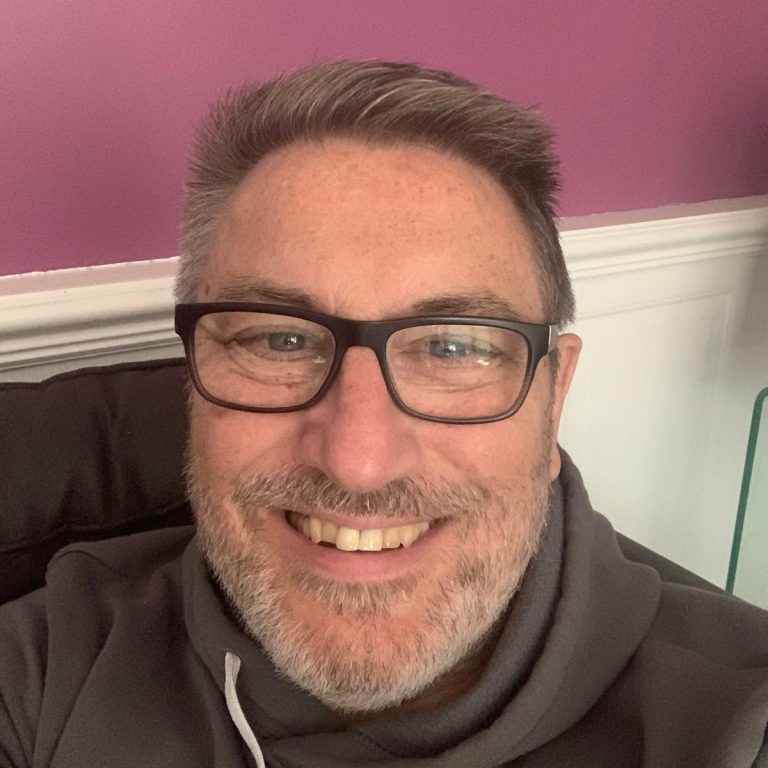
Roy Heaney
Director & Co Founder
Our Ambassadors

Richard Coates
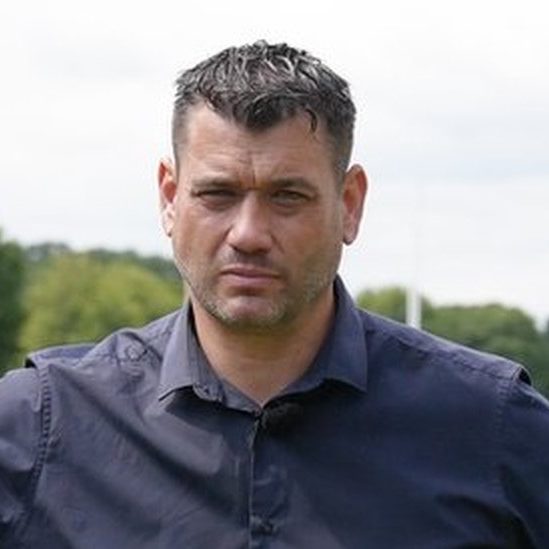
Lenny Woodard
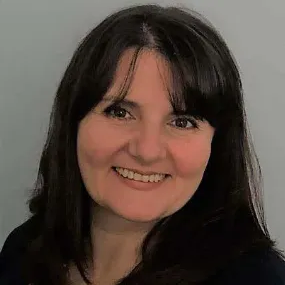
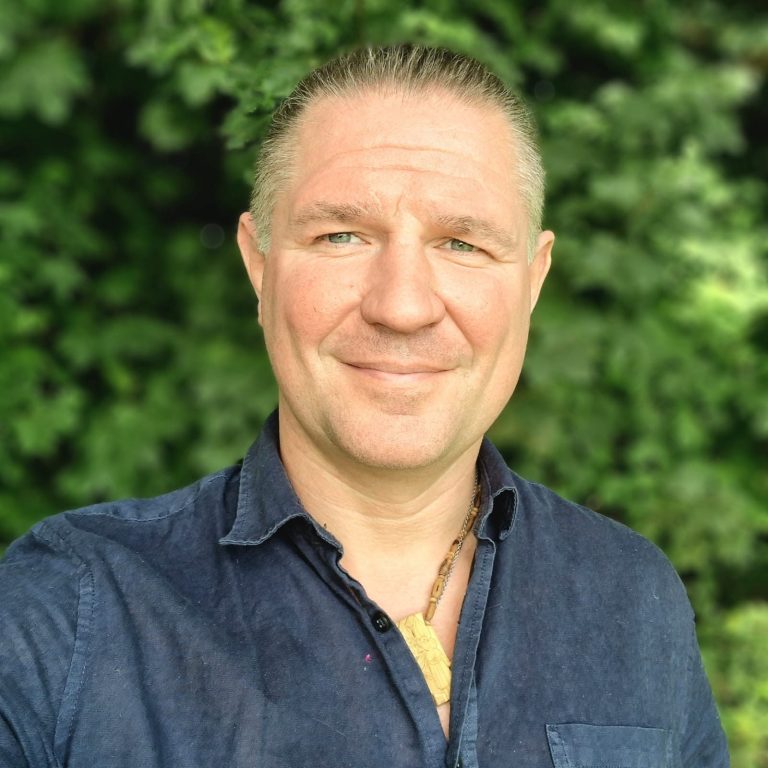
Fiona Curran
Steve Phillips
Meet Our Team
Rich & Jen
Co-founders of Marshalling Brain Injuries Alliance
Rich and Jen met in 2009 through their shared love of rugby union and married two years later in 2011. Like so many families connected by sport, they never imagined that the game which brought them together would one day change their lives so profoundly. That changed when Rich was diagnosed with probable Chronic Traumatic Encephalopathy (CTE) and early-onset dementia at just 41 years old.
For several years before the diagnosis, it was clear that something wasn’t right. Rich struggled with severe depression that did not respond to conventional treatment, and his deteriorating mental health ultimately led to a suicide attempt. Alongside this, his short-term memory began to decline. At first, it was easy to dismiss — forgetting his phone, why he’d walked into a room, or leaving a pizza in the oven. Over time, these lapses became more serious, progressing to forgotten conversations and, heartbreakingly, major life events such as his daughter’s wedding.
Rich has since been medically retired and is registered as disabled. Jen is now his full-time carer, supporting him through the daily realities of living with a progressive neurological condition.
While receiving the diagnosis was devastating, it also brought a strange sense of relief. At last, there was an explanation for the symptoms they had been living with for years. But clarity quickly gave way to uncertainty. What do we do now? How can this be treated? What support is available? How will the disease progress — and is there anything we can do to slow it down? These are the same questions faced by every person and family impacted by CTE.
In searching for answers, Rich and Jen connected with countless other families navigating the same fears, frustrations, and daily challenges. It became clear that support was fragmented, information was hard to access, and too many people were being left to cope alone. Determined to turn their experience into something positive and proactive, they decided to act — and from that decision, a Community Interest Company was born.
Jennifer Coates
Co Founder & Secretary
With a background in management, customer service and care industries, I now dedicate my life to advocacy, research, and hands-on support for people affected by brain injury and neurodegenerative disease. I am the founder of Marshalling Brain Injuries Alliance, oversee its day-to-day operations, and carry out ongoing research into Chronic Traumatic Encephalopathy (CTE). Alongside this, I am my husband’s full-time caregiver following his diagnosis of CTE and dementia at the age of 41.
Receiving such a life-changing diagnosis at a young age was devastating for our family and forced us to navigate an often confusing, fragmented, and under-resourced system. Through this experience, I have seen first-hand how isolating and overwhelming life with a degenerative neurological condition can be. I firmly believe that with the right support, clear information, and compassionate guidance, people can regain a sense of control and make informed decisions about their care, wellbeing, and future. This belief sits at the heart of Marshalling Brain Injuries Alliance.
My work is also shaped by my own lived experience as a survivor of domestic violence. Over many years, I sustained multiple concussions and traumatic brain injuries, experiences that deeply influenced my understanding of brain trauma, recovery, and the long-term impact these injuries can have on every aspect of life. Living with the consequences of repeated brain injury has given me a unique perspective — not just as an advocate and researcher, but as someone who truly understands the realities faced by those we support.
I have a long-standing commitment to mental health advocacy, informed by personal experience of PTSD, eating disorders, depression, and anxiety disorders. Having navigated these challenges myself, I am passionate about ensuring that others feel seen, believed, and supported. Lived experience is not a barrier — it is a source of insight, empathy, and strength.
At Marshalling Brain Injuries Alliance, we aim to be a trusted, comprehensive resource for individuals and families affected by CTE, traumatic brain injury, and related conditions. We provide clear, up-to-date information on prevention, diagnosis, benefits, treatment options, and care pathways, alongside practical and emotional support. Our goal is simple: to ensure that no one has to face brain injury or neurodegenerative disease alone.
Podcast with Trunk2Tale Part 1
Roy Heaney
Co-Founder & Director
I have been living with a diagnosis of probable CTE and early-onset dementia for over a year now. Those early days were incredibly difficult — there was no clear support, very little help, and it was hard to find reliable information for myself and my family. While there were groups available, most were based in the USA and didn’t reflect the reality of navigating this condition in the UK.
I come from a background in professional sport. I played professional football for Liverpool FC and Bolton Wanderers, and later professional rugby league for Wigan Warriors and Salford Red Devils, during the 1970s and 1980s. Despite this career, when my diagnosis came, I felt completely alone.
What I needed was a UK-based group run by people who genuinely understood the journey — people who had lived it. People who understood the dark days: the anger, the rage, the confusion, the short-term memory loss, the dizziness and relentless headaches that affect both day and night.
That’s when myself, Rich and Jen founded Marshalling Brain Injuries Alliance.
This isn’t a group run by clinicians or academics looking in from the outside — it’s run by ordinary people like me, living with the reality of brain injury every day. The knowledge, understanding, and lived experience within the group is phenomenal. It’s a truly supportive network, where you are valued and never made to feel like a problem to be managed. There is a genuine family atmosphere.
Through Marshalling Brain Injuries Alliance, I’ve met many people who are facing — and continue to face — the daily challenges that brain damage brings. There is access to clear, practical information, regular organised calls where you can simply listen or share your own experiences, and opportunities to learn about up-to-date approaches and products that may help manage the symptoms of this insidious disease.
Most importantly, it’s a place where I feel comfortable — surrounded by people who truly understand this journey. I would wholeheartedly recommend Marshalling Brain Injuries Alliance to anyone seeking information, support, and understanding of how brain damage impacts life. It is a positive, compassionate community, and I’m proud to now call many of its members my friends.
Andrew Watkins
Director
By day I’m a Commercial Operations Director for a recruitment company, residing in South Wales. I have been heavily involved in raising awareness surrounding neurodegenerative diseases for almost a decade.
On the 10th of June 2016, my life changed forever. My closest friend Cae Trayhern took his own life from an almost certain case of CTE, Cae didn’t have “mental health issues” he had chronic traumatic encephalopathy “CTE.” A broken brain is too big a price to play around with. The circumstances surrounding him taking his own life caused debilitation so deeply rooted he could see no way out. The changes in his behaviours posed many questions and consequently rung alarm bells and started my quest for answers. I promised Cae’s parents I would not rest…. his story deserved to be told. I had to improve awareness on sports dirty secret.
Having been involved with various Sky Sports documentaries, ITV news broadcasts and encouraging the Department for Digital, Culture, Media & Sport for greater influence over sport’s governing bodies to prevent them marking their own homework. I am deeply passionate about the subject of CTE. Despite what some may believe sadly there is no silver bullet as a solution, the only proven preventative measure, is to reduce the burden on the brain, CTE is a disease of mileage. I am huge supporter of the benefits that sport can provide, but participants deserve full informed consent and must be educated on the risks to their long-term brain health.
You will normally find me on X sharing updates on research and real-life accounts. I’m a keen fundraiser, taking part in bike rides & charity swims. If you or someone you know is struggling or want to talk in confidence, please contact me, I’m very approachable.
Richard Coates
Co-Founder & Ambassador
Rugby union has been a huge part of my life for more than 30 years. I started playing at the age of seven for my local village club, Painswick RFC, the oldest village rugby club in England, proudly known as The Original Cherry & Whites. Its history is woven into the sport itself — in 1873 the club famously lent shirts to Gloucester RFC, which led to Gloucester adopting the iconic cherry and white colours still worn today.
By the age of ten, I was training with adult teams (non-contact). At fifteen, I was playing for my county side as well as Painswick’s men’s 1st and 2nd teams, alongside my school team. By sixteen, I was representing district and South West teams, sometimes playing four or five matches a week and training every day — even out of season. One year, I played in the Stroud Combination Cup finals for both the adult 1st and 2nd teams on the same day, then turned out for my age-grade team the following day. Rugby wasn’t just something I did — it was my entire world. My ambition was simple: to play professionally.
That dream was derailed at eighteen when I suffered a serious knee injury. After surgery and rehabilitation, I returned to the game I loved — only to endure repeated trauma. By the time I sustained my fifth major knee injury, requiring reconstructive surgery to cartilage and ligaments, my body was already paying a heavy price. Over three decades of playing, I experienced countless injuries, including nerve damage that left me in a wheelchair for two years.
As for concussions — I lost count. Like so many players of my generation, I was treated with the “magic sponge,” cold water, or smelling salts to mask symptoms so I could keep playing. Looking back, I now understand how dangerous that culture was. If I had known then what we know now, I would never have allowed anyone to pressure me into continuing to play while clearly concussed.
By 2010, I was still playing every weekend and competing in sevens rugby during the off-season, but the toll on my brain health was becoming impossible to ignore. I developed frequent headaches that painkillers barely touched, sensitivity to light, and a steady decline in my mental health. Depression set in, followed by suicidal thoughts. I turned to binge drinking and gambling in an attempt to quiet the constant noise in my head. I drank heavily every weekend — not for fun, but to escape.
Everything came to a head just before the second COVID lockdown, when I drank to excess and attempted to take my own life. In a strange way, the lockdown saved me. It cut off access to pubs and clubs that were feeding my addiction. Jen found a local men’s peer support group, and attending it became a turning point. I’m not ashamed to say that support group saved my life — and my marriage.
Despite this, my physical and mental health continued to decline, and we had no idea why. When my cognitive abilities began to deteriorate, I genuinely believed I was losing my mind. Jen would joke that my memory was like Dory from Finding Nemo. We didn’t realise that I was living with Chronic Traumatic Encephalopathy and early-onset dementia.
In 2024, after brain imaging and cognitive testing, I was diagnosed with probable CTE and dementia at the age of 41. Initially, there was relief — confirmation that I wasn’t “going crazy,” that something was genuinely wrong with my brain. Then reality hit. I was told I could no longer work or drive. I was devastated to learn that the sport I loved, and had devoted my life to, had caused irreversible damage.
I don’t want to see rugby — or any contact sport — banned. Athletes like me simply want the game to be safer. We want future generations to be properly informed about the risks, taken seriously when they report symptoms, and given appropriate medical care and long-term support.
My life is now dedicated to raising awareness of CTE and other neurodegenerative diseases caused by brain injury. Change in sport is essential to prevent more families experiencing what mine — and so many others across the world — are living through. Public perception also needs to shift. Too often, people dismiss the risks or say, “It’s a contact sport — you knew what you signed up for.” We understood the risk of broken bones. What we were never told was that playing rugby could damage our brains and lead to dementia and other neurodegenerative diseases.
Despite growing scientific evidence, sporting governing bodies continue to deny this reality — and through that denial, countless men and women are left to suffer without recognition, treatment, or support. Together, we will speak up for those who no longer have a voice, and for the families who have already lost far too much.
TOGETHER WERE STRONGER
Lenny Woodard
Lenny Woodard, born and bred in Wales UK was a prolific winger who went onto to play both rugby union and rugby league for his country. Academically gifted, Lenny studied at Cardiff Metropolitan University where he was selected for the Wales U21 (union), Wales Students (league) and Great Britain students (league).
In 1998 he toured Zimbabwe and South Africa with the senior Welsh team and was capped for the senior Wales rugby league team.
During his club career he played for Pontypridd RFC, Newbridge RFC, London Welsh, Pertemps Bees, Ebbw Vale RFC, Pontypool RFC, Hull Sharks and Celtic Crusaders.
Woodard is the highest try scorer in Welsh league history with 186 tries.
A father of five, Lenny was diagnosed aged 45 with early onset dementia and probable CTE in 2021. In December 2022 he told BBC Radio Wales he worried that the aggressive way he played the game could have had consequences for others.
Fiona Curran
Founder of Neurofeedback Brain Training
NeurOptimal® UK Representative & Certified Advanced Trainer
Safe and Sound Protocol (SSP) Provider
Director, Unlocking Voices CIC
Fiona Curran is a UK neurofeedback provider and educator, and now proudly serves as an Ambassador for Marshalling Brain Injuries Alliance.
Her journey into neurofeedback began in 2016, initially seeking solutions to support her own family. What started as a personal mission has grown into an internationally respected practice supporting individuals facing neurological, emotional, and cognitive challenges.
As a NeurOptimal® UK Representative, Certified Advanced Trainer, and Instructor, Fiona trains and mentors practitioners while working directly with clients across the UK and internationally. She combines neurofeedback with other evidence-informed approaches including the Safe and Sound Protocol (SSP), Primitive Reflex Integration (RMTi and the Melillo Method), and developmental neurotherapeutic strategies.
Fiona is particularly passionate about supporting individuals experiencing brain injury, trauma-related symptoms, emotional dysregulation, cognitive fatigue, and focus difficulties. Her work focuses on enhancing resilience, improving regulation, restoring clarity, and helping the brain move toward greater stability and performance.
As Director of Unlocking Voices CIC, she also supports autistic individuals with no or limited speech to access communication and greater independence.
Through her ambassador role with Marshalling Brain Injuries Alliance, Fiona is committed to raising awareness of non-invasive neurotechnology's that may support brain health, recovery, and quality of life for those affected by repetitive head trauma and CTE-related symptoms.
Fiona provides both in-person and remote support and is dedicated to creating calm, compassionate spaces where meaningful neurological change can occur.
Neurofeedback Brain Training website
Steve Phillips (Satya Hari Das)
Ambassador for Alternative Therapies and Health
I bring a rare combination of elite sporting experience, natural health expertise, and spiritual insight to my role as Ambassador for Alternative Therapies and Health with Marshalling Brain Injruries Alliance.
I’m a former Wales international rugby player at U18 and Universities level, I went on to play semi-professionally for many leading Welsh clubs, including Swansea, Neath, Aberavon, Llandovery, and Carmarthen Quins, before finishing my career in Australia with Queensland University, a feeder team to the Queensland Reds. My first-hand experience of the physical demands of rugby, alongside the risks of head injuries, has given him a deep understanding of the challenges faced by athletes and families affected by CTE.
Following my rugby career, I immersed myself in the healing arts, training in Omni Energy Healing, naturopathic nutrition, meditation, pranayama (breathwork), tai chi, and other transformative practices. I co-founded The School of Naturopathic Nutrition, I hold a Diploma in Naturopathic Nutrition and a B. MSc in Metaphysical Science, and I have built an international reputation as a speaker, educator, and author. My work has been recognised in the award-winning film trilogy Becoming the Keys and through countless workshops, courses, and retreats.
I am also a passionate advocate of biohacking and cutting-edge therapies, continually researching and integrating new innovations to support health and brain function. I have explored and promoted the benefits of the Alpha-Stim for mood and anxiety, photo biomodulation and red-light therapy for cellular repair, and neurofeedback for rebalancing brainwave activity. These technologies, alongside natural nutrition and lifestyle practices, are central to my vision of integrative health — particularly for those navigating the effects of CTE.
Rooted in a strong spiritual foundation, I spent years as a celibate monk practising bhakti yoga, where he deepened his connection to meditation, pranayama, mantra, and Vedic wisdom. This spiritual path continues to guide my approach, uniting modern science with timeless traditions.
As Ambassador for Alternative Health, I am dedicated to raising awareness of natural and technological therapies, creating pathways of empowerment and hope for those living with CTE and their loved ones.
Are you experiencing a mental health crisis?
There is help for you!
Shout: For 24/7 text support, text SHOUT to 85258 or click HERE
NHS 111 Online or Phone: If it's not an emergency but you need urgent help with your mental health, you can access NHS 111 online or by calling 111
Samaritans: Call 116 123 to talk , or email: jo@samaritans.org for a reply within 24 hours or click HERE
CALM - 0800 585 858 or click HERE
Mind - 0300 1233 393 or click HERE
No Panic - 0844 9674 848 or click HERE
National Domestic Abuse - 0808 2000 247 or click HERE