Why the Injured Brain Is More Vulnerable to Alcohol
After a brain injury, the brain enters a prolonged state of neurometabolic dysfunction, meaning:
- Energy production is impaired
- Inflammation is increased
- Neurons are more fragile
The brain’s ability to repair itself is reduced Alcohol directly interferes with all of these processes. Even amounts that may seem “moderate” can have outsized effects in people with prior brain injury.
Alcohol and Brain Chemistry After TBI
Alcohol rapidly crosses the blood–brain barrier and alters neurotransmitters that are often already dysregulated after TBI or repeated trauma:
- GABA: increased sedation, slowed thinking, worsened fatigue
- Glutamate: impaired learning and memory
- Dopamine: disrupted reward, motivation, and emotional regulation
These effects can intensify common post-TBI symptoms such as:
- Brain fog
- Slowed processing
- Poor judgement
- Increased impulsivity
People with TBI or CTE often experience:
- Depression
- Anxiety
- Irritability
- Emotional dysregulation
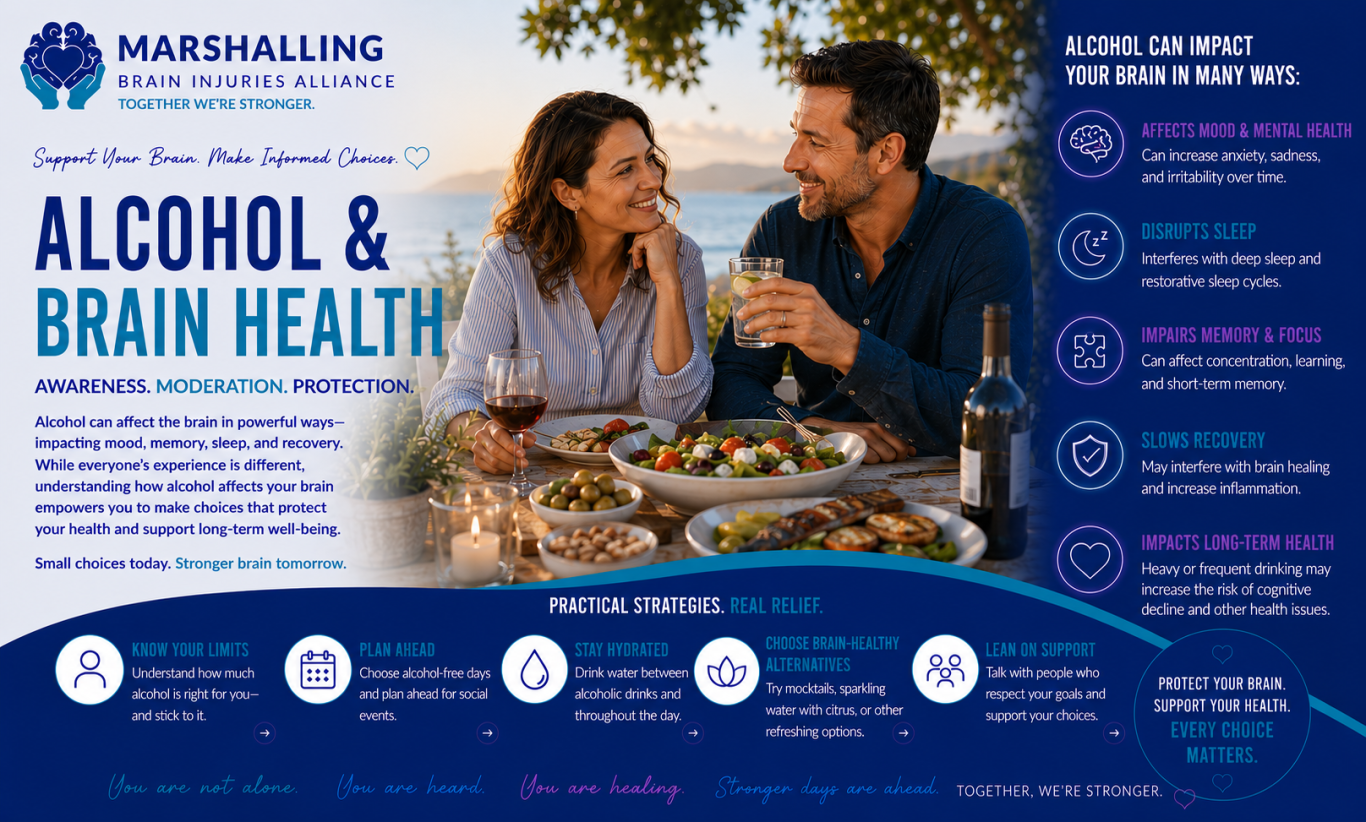
Although alcohol may feel calming in the moment, research shows it worsens mood stability over time by:
- Disrupting serotonin and dopamine signalling
- Increasing inflammation
- Interfering with restorative sleep
For injured brains, these effects may be stronger and longer-lasting.
Alcohol and Long-Term Neurodegeneration CTE is characterised by:
- Ongoing inflammation
- Abnormal tau protein accumulation
- Progressive neuronal loss
Alcohol does not cause CTE, but evidence suggests it may:
- Increase metabolic stress in vulnerable neurons
- Accelerate cognitive decline
- Reduce brain volume and white matter integrity
Heavy or prolonged alcohol use is also associated with alcohol-related brain damage, which can overlap with or worsen existing TBI- or CTE-related impairment.
Alcohol, Mood, and Emotional Regulation
Memory, Learning, and the Hippocampus
Memory problems are one of the most persistent symptoms after TBI and are central to CTE. Alcohol:
- Suppresses hippocampal activity
- Reduces the formation of new memories
- Impairs neuroplasticity — the brain’s ability to adapt and heal
Brain imaging studies show that alcohol use is associated with reduced hippocampal volume, even in people without alcohol dependence. For an already injured hippocampus, this may further limit recovery and cognitive resilience.
Neuroinflammation and Symptom Worsening
Neuroinflammation is a core feature of:
- TBI
- Repetitive head injury
- CTE Alcohol increases neuroinflammation by:
- Activating immune cells in the brain (microglia)
- Increasing oxidative stress
- Headaches
- Weakening the blood–brain barrier
This inflammatory response may worsen symptoms such as:
- Fatigue
- Sensory sensitivity
- Emotional volatility
- Sleep disruption
Chronic inflammation is also strongly linked to progressive neurodegeneration.
Nutrient Depletion and Brain Health
Alcohol interferes with the absorption and use of key nutrients, particularly:
- Thiamine (vitamin B1)
- Other B vitamins critical for nerve function
Thiamine deficiency can lead to serious neurological conditions such as Wernicke Korsakoff syndrome, characterised by severe memory loss and cognitive impairment. People with brain injury may be especially vulnerable to these deficiencies.
Is Any Amount of Alcohol Safe After TBI or with CTE?
There is no clear “safe” level of alcohol for people with brain injury. Research increasingly shows that:
- Even moderate drinking is linked to measurable brain changes
- Alcohol-related brain shrinkage occurs on a continuum
- Individual tolerance varies widely — and often decreases after TBI
Evidence-informed strategies include: Many clinicians and researchers advise avoiding alcohol or significantly reducing intake following brain injury, particularly when symptoms persist.