What is Neurofeedback and How Does It Work?
Understanding Neurofeedback
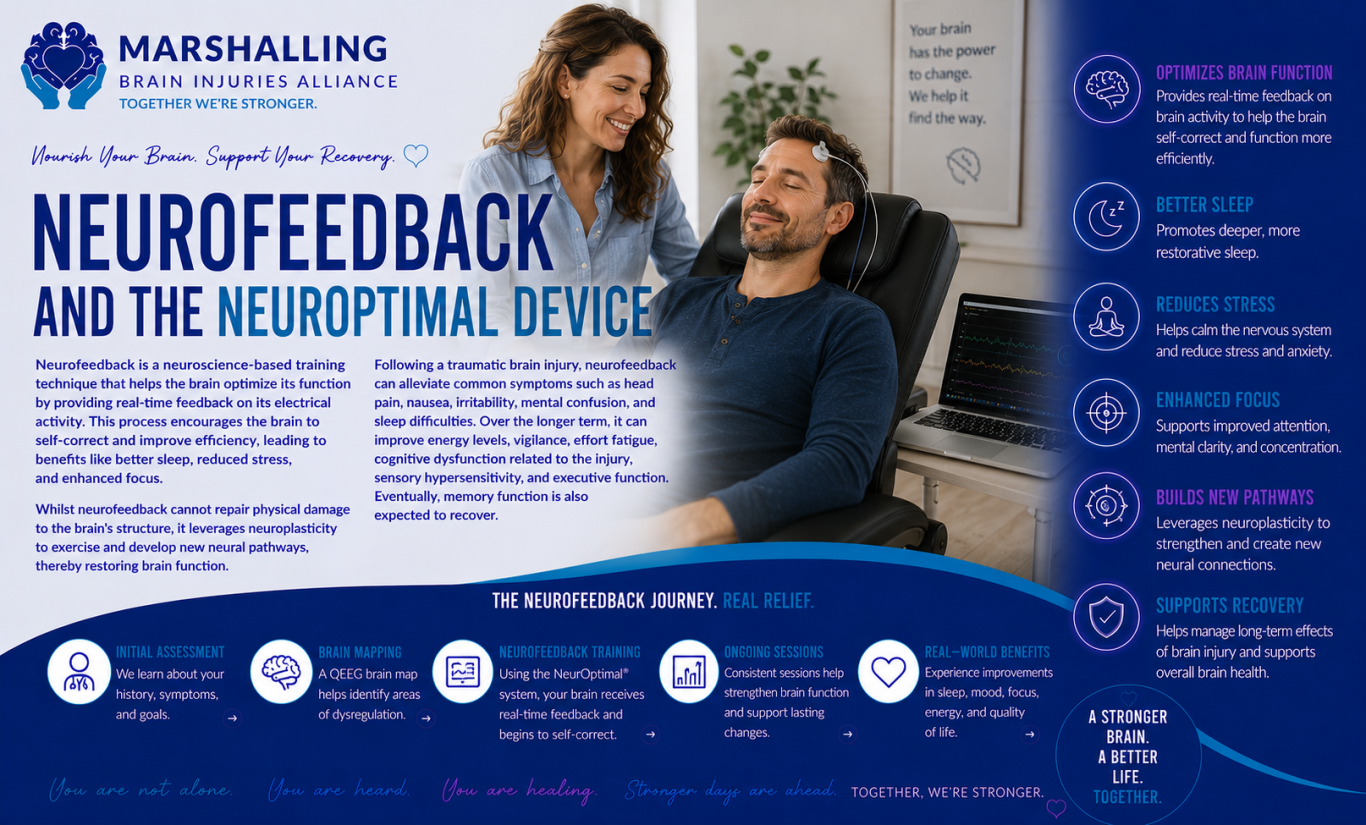
Neurofeedback is a non-invasive brain training technique that helps the brain improve its own function by providing real-time information about its activity.
The brain is made up of billions of nerve cells that communicate through tiny electrical signals. These signals create patterns known as brainwaves, which can be measured using sensors placed on the scalp.
Neurofeedback allows the brain to observe its own activity and make adjustments to improve efficiency, flexibility, and regulation. Rather than forcing the brain to change, neurofeedback provides information that enables the brain to self-correct and optimise its performance.
This process is based on the scientific principle of neuroplasticity — the brain's ability to adapt, reorganise, and develop new neural pathways throughout life.
What Happens During Neurofeedback?
The human brain is constantly processing information from both the internal and external environment.
It regulates:
- Attention and concentration
- Memory and learning
- Sleep and wakefulness
- Emotions and mood
- Sensory processing
- Stress responses
- Decision-making and executive function
To perform these tasks effectively, different areas of the brain must communicate efficiently with one another.
When the brain is functioning well, it can smoothly adapt to changing situations. It can become alert when required, relax when appropriate, and recover after periods of stress.
However, various factors can disrupt this balance.
These may include:
- Concussion and traumatic brain injury (TBI)
- Repetitive head impacts
- Chronic stress
- Post-traumatic stress disorder (PTSD)
- Anxiety
- Sleep deprivation
- Illness
- Chronic pain
- Neurological conditions
When these disruptions occur, the brain may become "stuck" in inefficient patterns of activity.
How Does the Brain Normally Function?
During a neurofeedback session, sensors are placed on the scalp to monitor the brain's electrical activity.
Importantly, these sensors do not send electricity into the brain.
They simply measure the brain's natural electrical signals.
A computer system analyses this activity in real time and provides feedback to the brain, usually through sound, music, visual displays, or video-based feedback.
The feedback changes moment by moment based on the brain's activity.
When the brain notices these changes, it begins to recognise patterns in its own functioning.
Over time, this information encourages the brain to make small adjustments that can improve self-regulation and efficiency.
Many researchers compare the process to looking in a mirror.
Just as a mirror allows a person to see and adjust their posture, neurofeedback allows the brain to "see" aspects of its own activity and make corrections.
Neurofeedback Does Not Teach the Brain What to Do
One common misconception is that neurofeedback directly changes the brain or forces it into a particular state.
In reality, neurofeedback does not "fix" the brain or control it.
Instead, it provides information.
The brain remains in control throughout the entire process.
Because the brain is naturally designed to seek efficiency and stability, it often responds to this information by reorganising itself in ways that improve function.
This is one reason neurofeedback is often described as a training process rather than a treatment.
Why Might Neurofeedback Help After Brain Injury?
Many symptoms experienced after concussion, traumatic brain injury, or repetitive head trauma are thought to involve disruptions in how brain networks communicate and regulate themselves.
These symptoms may include:
- Fatigue
- Brain fog
- Poor concentration
- Memory difficulties
- Sleep disturbances
- Anxiety
- Irritability
- Sensory overload
- Emotional dysregulation
- Headaches and migraines
Neurofeedback aims to improve the brain's self-regulation and adaptability.
Although it cannot reverse structural damage, some individuals report improvements in symptoms that may be linked to more efficient brain functioning.
Researchers continue to investigate the potential role of neurofeedback in supporting recovery and symptom management following brain injury.
The Role of Neuroplasticity
The effectiveness of neurofeedback is believed to be closely linked to neuroplasticity.
Neuroplasticity refers to the brain's ability to:
- Strengthen existing neural connections
- Create new neural pathways
- Adapt after injury
- Learn from experience
- Improve efficiency through repetition
For many years, scientists believed the adult brain was largely fixed and unable to change.
Modern neuroscience has shown this is not true.
Research demonstrates that the brain remains capable of adaptation throughout life.
This ability to change is particularly important following brain injury, where damaged pathways may be compensated for by strengthening alternative networks.
While neurofeedback cannot repair physical damage to brain tissue, it may help support the brain's ability to reorganise and function more effectively.
What Does the Research Say?
Neurofeedback has been studied for several decades across a range of neurological and psychological conditions.
Research has shown promising results in areas including:
- Attention Deficit Hyperactivity Disorder (ADHD)
- Anxiety disorders
- Insomnia and sleep problems
- PTSD
- Stress regulation
- Peak performance training
- Certain symptoms following traumatic brain injury
However, as with many areas of neuroscience, research findings are mixed and vary depending on the type of neurofeedback used, study design, and patient population.
Some studies report meaningful improvements in symptoms and quality of life, while others call for larger and more rigorous clinical trials.
Most researchers agree that further high-quality research is needed to better understand who may benefit most and why.
Is Neurofeedback Safe?
A Different Way of Looking at Brain Health
Neurofeedback is generally considered a low-risk, non-invasive intervention.
Because it does not involve medication, surgery, or electrical stimulation of the brain, serious adverse effects are uncommon.
Some individuals may experience temporary changes after a session, such as:
- Tiredness
- Increased awareness of symptoms
- Emotional release
- Mild headaches
- Changes in sleep patterns
These effects are usually short-lived.
As with any health-related intervention, neurofeedback should be provided by appropriately trained practitioners and should not replace medical care or advice from qualified healthcare professionals. professionals.
The brain is an incredibly complex and adaptive organ.
Neurofeedback is based on a simple but powerful idea:
When the brain receives accurate information about its own activity, it may be able to make adjustments that improve how it functions.
Rather than attempting to force change, neurofeedback works by supporting the brain's natural capacity for learning, adaptation, and self-regulation.
For some individuals, particularly those living with the long-term effects of concussion, traumatic brain injury, repetitive head impacts, or chronic stress, this may offer another avenue for supporting brain health and improving quality of life.
Neurofeedback with NeurOptimal®
A Different Type of Neurofeedback
Traditional neurofeedback systems are often designed to target specific brainwave frequencies or particular areas of the brain. These approaches typically involve assessing the individual's brain activity and then creating a training protocol aimed at increasing or decreasing selected frequencies.
NeurOptimal® uses a non-linear neurofeedback approach.
Rather than attempting to train the brain towards a predetermined target, the system continuously monitors the brain's activity across a broad range of frequencies and provides real-time feedback whenever it detects rapid shifts or changes in brain function.
This feedback is delivered through brief interruptions in music that the user listens to during the session.
The process acts much like a mirror, allowing the brain to become aware of its own activity and make adjustments if it chooses to do so.
Because the system is constantly analysing and adapting to what the brain is doing in that exact moment, no protocols need to be selected, adjusted, or modified by a practitioner during the session.
How a Session Works
During a typical session, sensors are gently placed on the scalp and ears to monitor the brain's electrical activity.
No electricity, stimulation, vibration, or signals are sent into the brain.
The sensors simply record the brain's naturally occurring electrical activity.
The user then relaxes while listening to music through headphones.
When the system detects a sudden change in the brain's activity, the music is briefly interrupted for a fraction of a second.
These interruptions provide information to the brain about its own activity in real time.
Many people choose to close their eyes and relax during sessions, while others read, draw, meditate, or engage in other quiet activities.
The process requires no conscious effort or concentration.
User-Friendly by Design
At Marshalling Brain Injuries Alliance, we recommend the NeurOptimal® Neurofeedback System because of its outstanding safety profile, non-invasive approach, ease of use, and the growing body of research exploring its application across a wide range of populations.
While many neurofeedback systems require a practitioner to analyse brainwave patterns and manually select specific training protocols, NeurOptimal® takes a different approach.
Understanding the Complexity of the Brain
One of the unique aspects of NeurOptimal® is that the expertise is built into the software itself.
Unlike some neurofeedback systems that require extensive interpretation, protocol selection, and ongoing adjustment by the practitioner, NeurOptimal® automatically analyses the incoming brainwave information and continuously updates its feedback process in real time.
This makes the system remarkably simple to use while still employing highly sophisticated underlying technology.
As a result, NeurOptimal® can be used both in professional settings and through supervised home rental programmes, allowing individuals and families to access neurofeedback support from the comfort of their own homes.
The human brain contains approximately 86 billion neurons communicating through complex networks of electrical and chemical signalling.
This activity occurs across a wide range of frequencies and changes from moment to moment.
NeurOptimal® was designed to monitor the brain's activity as a dynamic system rather than focusing narrowly on individual brainwave frequencies.
By providing information about changes occurring across the system as a whole, the technology supports the brain's natural ability to self-regulate and adapt.
Non-Invasive and Natural
Who Uses NeurOptimal®?
NeurOptimal® is used internationally by a wide variety of individuals, including:
- Athletes and performers
- Military veterans
- Business professionals
- Children and young people
- Individuals living with stress and anxiety
- People seeking to improve sleep quality
- Individuals recovering from illness or injury
- Those interested in supporting overall brain health and resilience
Many users report improvements in areas such as sleep, mental clarity, emotional regulation, focus, resilience, and overall wellbeing, although individual experiences vary.
NeurOptimal® does not attempt to force the brain into a particular state.
It does not stimulate the brain, target specific symptoms, or seek to achieve predetermined brainwave patterns.
Instead, it provides the central nervous system with information about its own activity.
The brain then determines for itself how to respond to that information.
This makes the process entirely natural and highly individualised.
Every brain is unique, and NeurOptimal® allows each brain to optimise itself according to its own needs rather than following a standardised training programme.
Why MBIA Recommends NeurOptimal®
At Marshalling Brain Injuries Alliance, we believe that safety, accessibility, and user experience are critically important when considering any therapy or supportive intervention.
We recommend NeurOptimal® because:
- It is completely non-invasive.
- No electrical stimulation is delivered to the brain.
- It does not attempt to force or manipulate brain activity.
- The system continuously adapts in real time to the individual's brain activity.
- It can be accessed both professionally and through home rental programmes.
- It has been used safely by hundreds of thousands of people worldwide across millions of sessions.
- It supports the brain's natural capacity for self-regulation rather than targeting specific symptoms or diagnoses.
While no neurofeedback system can claim to treat, cure, or prevent brain injury, concussion, CTE, dementia, or any other medical condition, we believe NeurOptimal® offers one of the safest, most accessible, and user-friendly approaches available for individuals interested in supporting brain function and self-regulation.
Work with Our Ambassador & Clinical Advisor, Fiona Curran
Our Ambassador, Fiona Curran, is a certified NeurOptimal® Advanced Trainer, provider, and educator who has helped individuals across the United Kingdom access neurofeedback training.
Fiona provides in-person sessions from her Birmingham clinic and also offers flexible home rental options, enabling individuals and families to access NeurOptimal® from the comfort of their own homes.
To learn more about neurofeedback or discuss whether NeurOptimal® may be suitable for you, please visit Fiona's website or contact her directly.
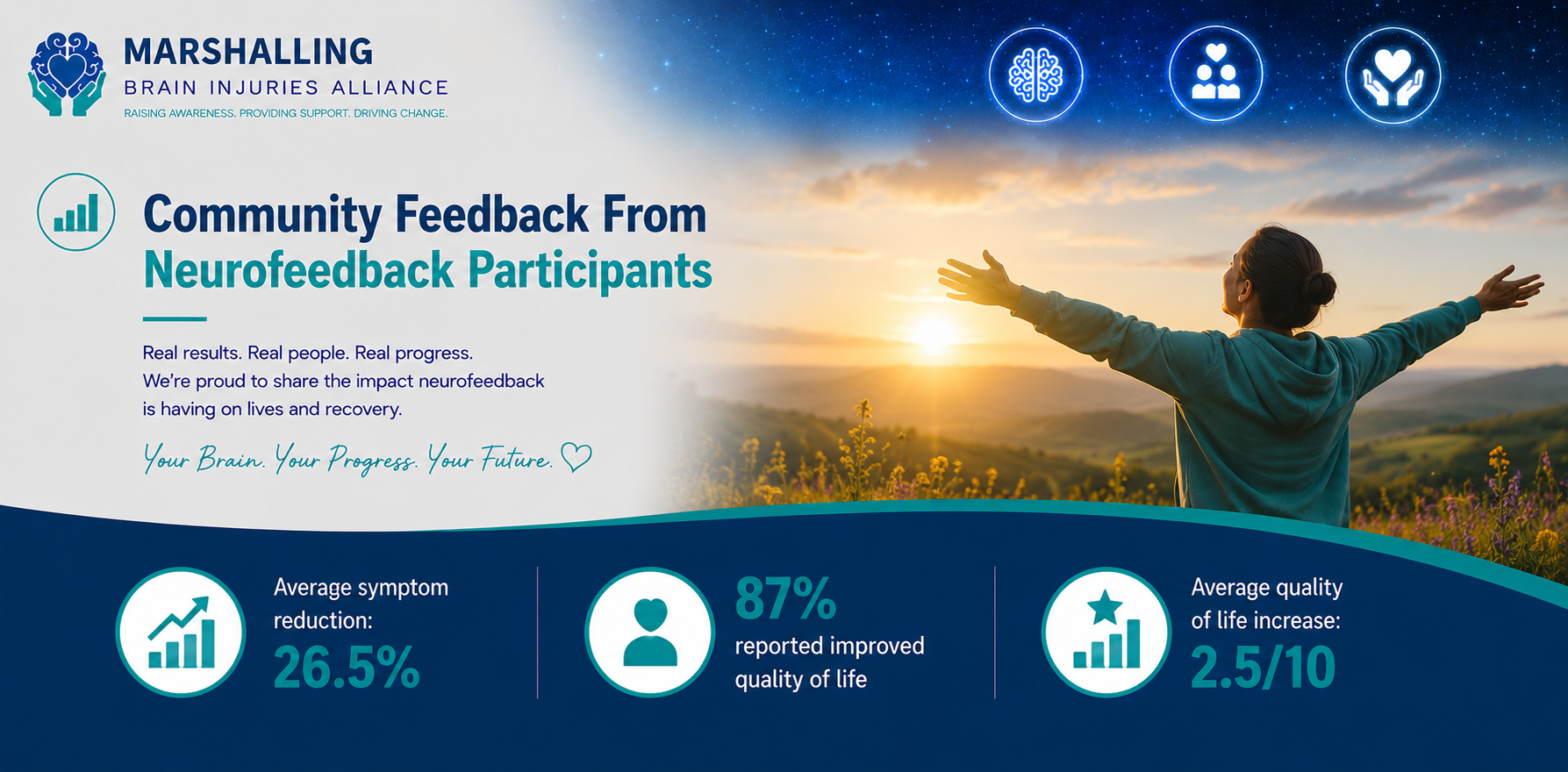
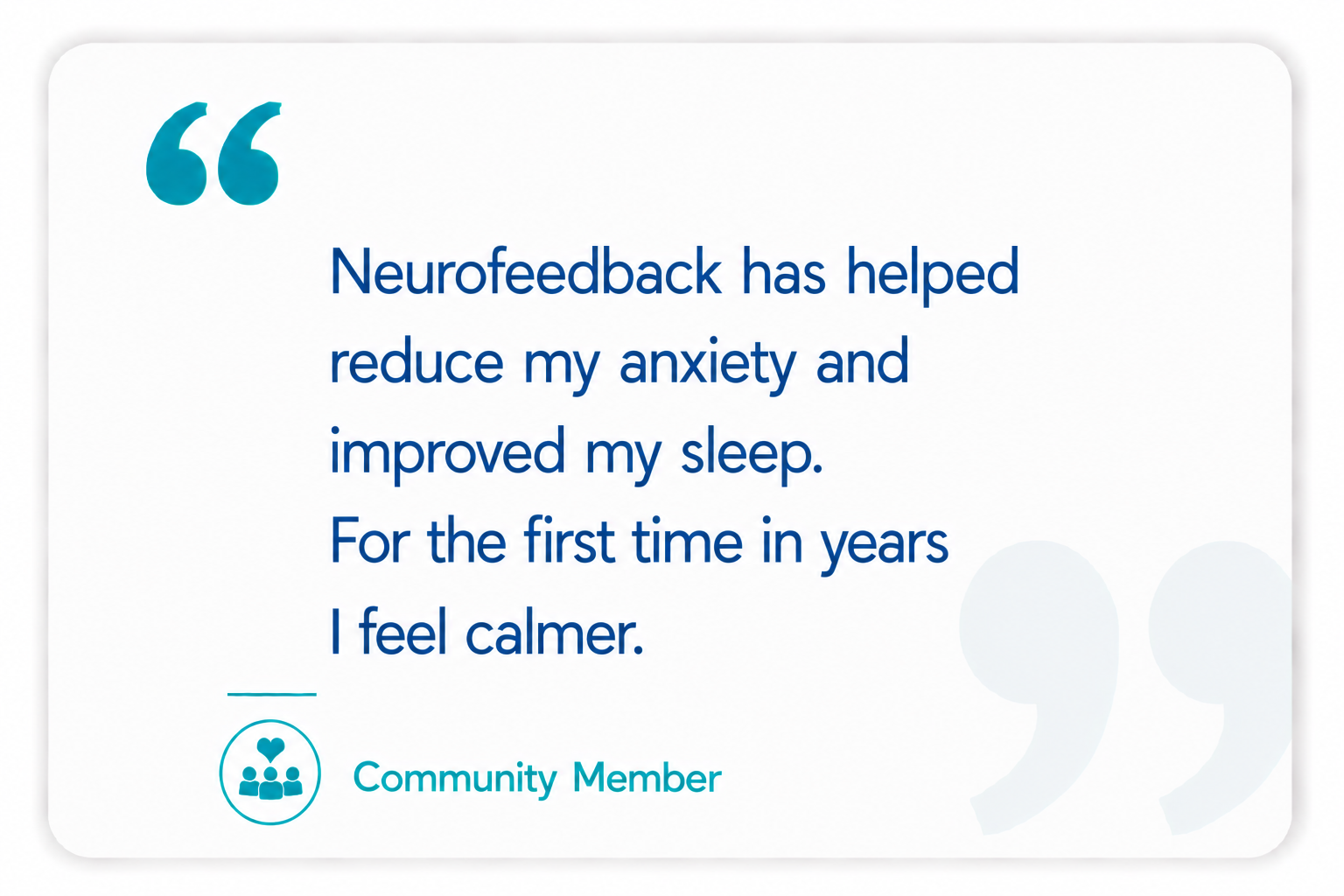
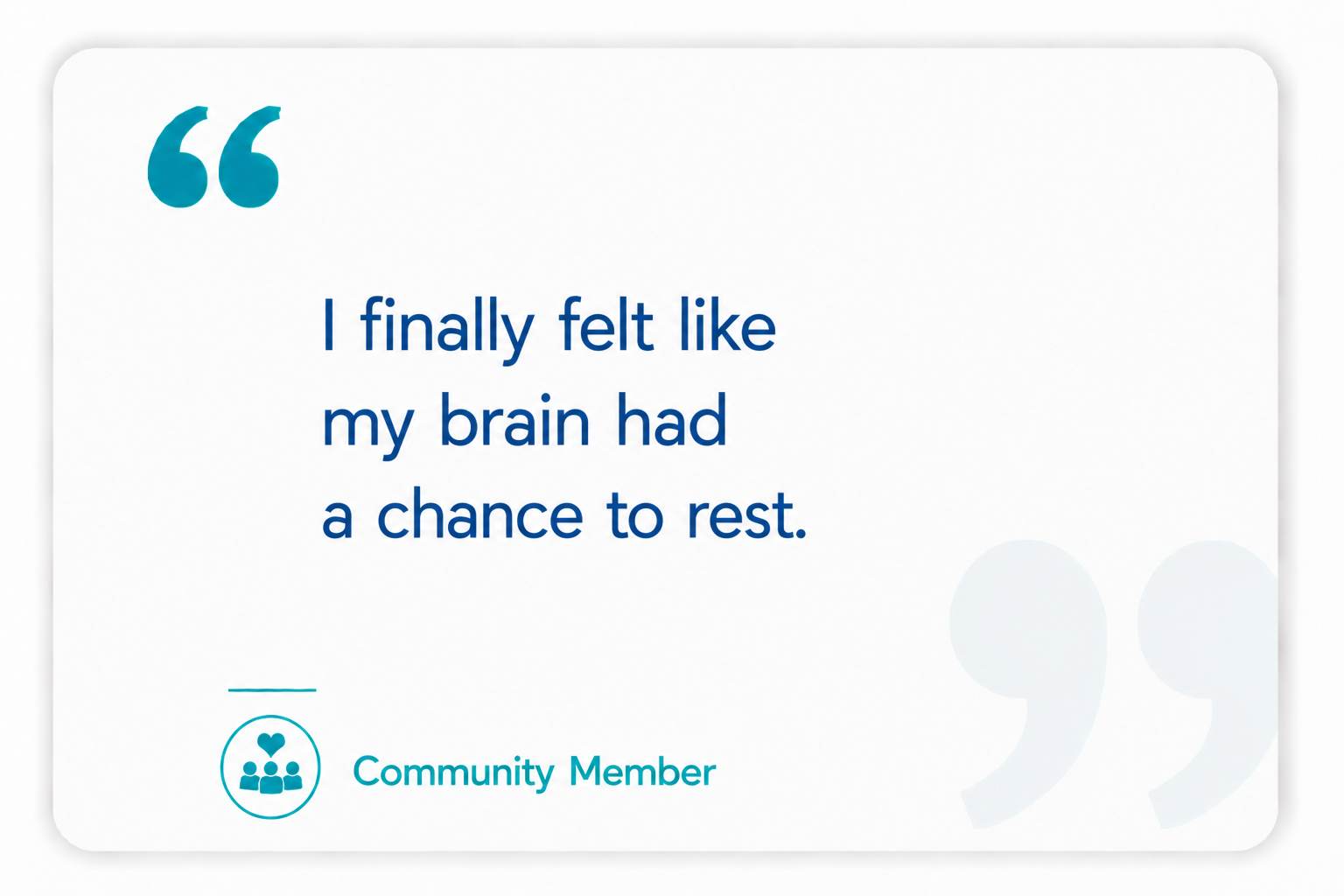
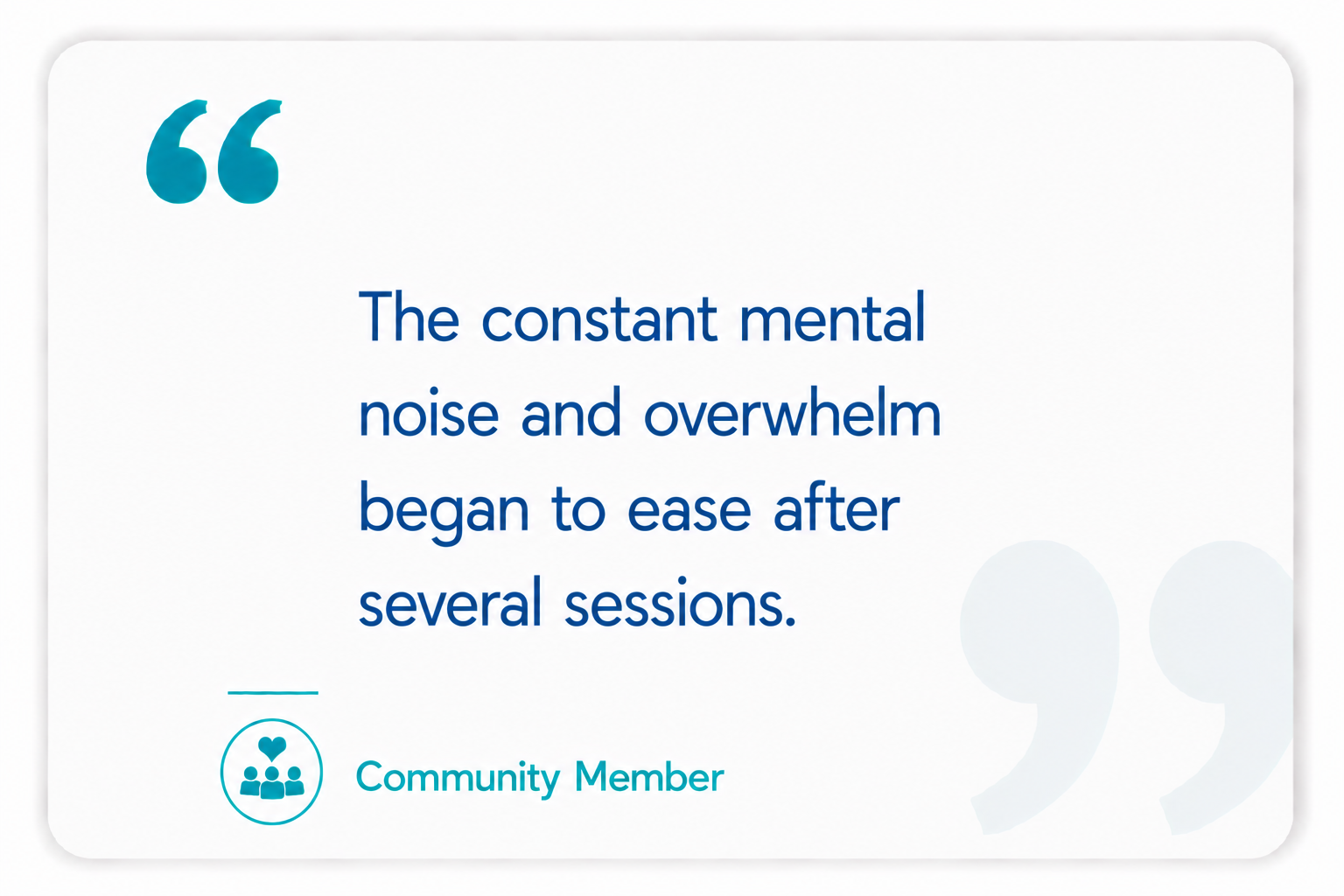
Every brain injury is different, and no single treatment works for everyone. The experiences below reflect feedback shared by members of the MBIA community regarding therapies and approaches they have chosen to explore. Individual experiences will vary.