How Cryotherapy Affects the Body
When exposed to extreme cold, the body activates several protective and regulatory mechanisms:
- Blood vessels constrict (vasoconstriction)
- Inflammatory pathways are modulated
- Endorphins and adrenaline are released
- Circulation improves after rewarming
- Anti-inflammatory cytokines may increase
This response is sometimes referred to as a hormetic stress response — a short, controlled stress that may strengthen the body’s resilience over time.
Why Cryotherapy Is Being Explored for Brain Injury
Traumatic brain injury (TBI), concussion, and conditions such as CTE involve:
- Chronic neuroinflammation
- Dysregulated blood flow
- Oxidative stress
- Autonomic nervous system imbalance
- Persistent fatigue and cognitive slowing
Cryotherapy is being explored because it may help:
Reduce Inflammation
Cold exposure is well known for its anti-inflammatory effects in sports medicine. Since neuroinflammation is a key driver of long-term symptoms after brain injury, therapies that reduce systemic inflammation may indirectly support brain health.
Support Autonomic Regulation
Many individuals with TBI experience dysregulation of the autonomic nervous system (fight-or-flight dominance). Brief cold exposure may help train vagal tone and improve nervous system balance over time.
Improve Circulation After Rewarming
While cold causes temporary vasoconstriction, rewarming triggers increased blood flow. Improved circulation may support oxygen and nutrient delivery to the brain.
Enhance Mood & Energy
Cold exposure stimulates endorphins and norepinephrine release, which may improve mood, mental clarity, and alertness — areas often impacted in post-concussion syndrome and CTE.
Cryotherapy & Neurodegenerative Diseases
Cryotherapy is an exciting area of interest within the broader field of recovery and resilience. While it is not a standalone treatment for brain injury, CTE or neurodegenerative diseases, its potential to reduce inflammation, regulate the nervous system, and enhance mood and energy makes it an option worth exploring as part of a holistic brain health strategy.
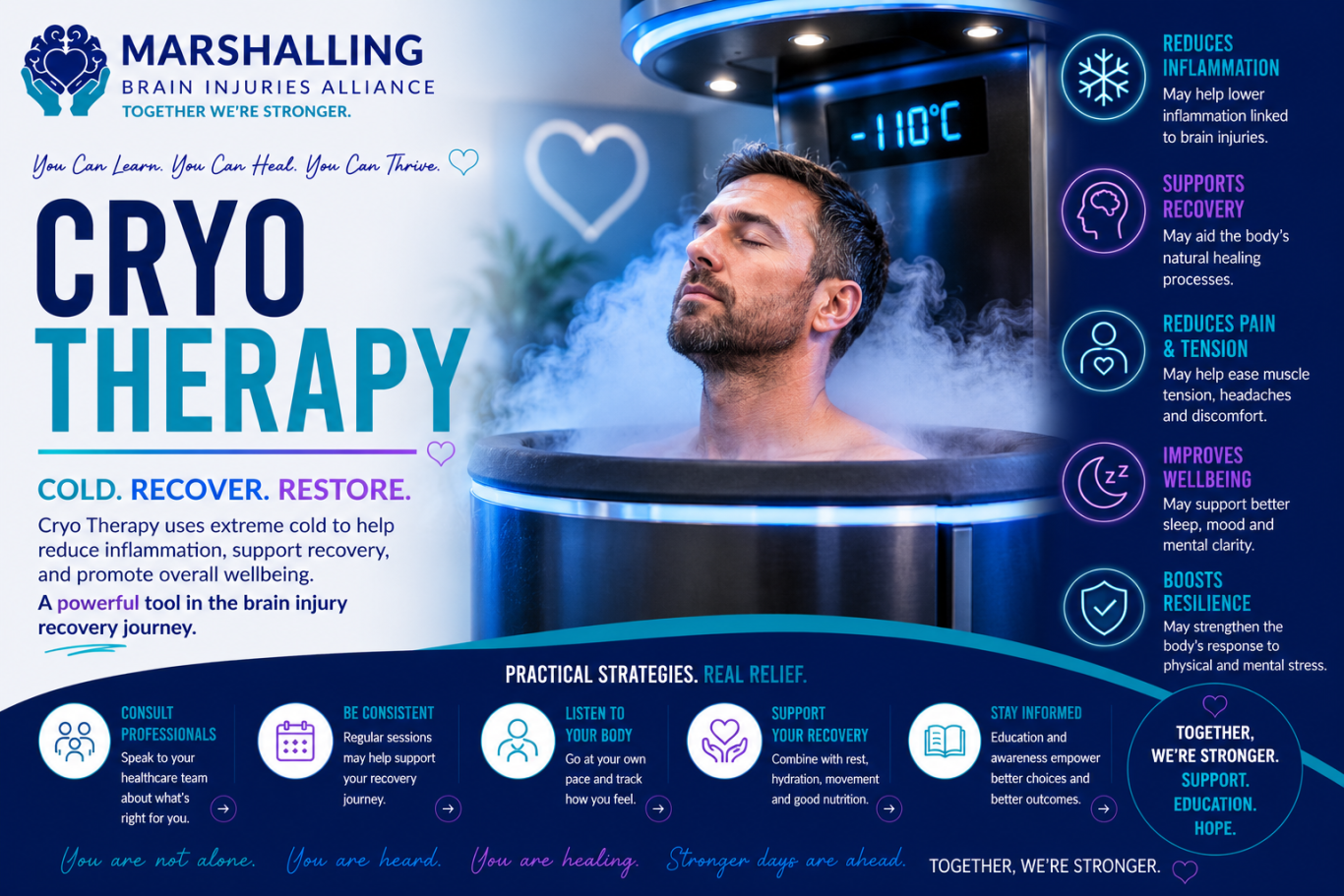
Cryotherapy simply means “cold therapy.” It involves exposing the body to very cold temperatures for short periods of time to stimulate physiological responses.
There are two main forms:
Whole-body cryotherapy (WBC): Standing in a cryotherapy chamber for 2–3 minutes at temperatures typically between -110°C and -140°C.
Localised cryotherapy: Targeting specific areas of the body with controlled cold air.
Unlike ice baths, whole-body cryotherapy uses dry, ultra-cold air rather than water, making exposure shorter and often more tolerable.
As always, individual responses vary — and any new therapy should be approached with informed guidance and realistic expectations.
Is Cryotherapy Safe?
For most healthy individuals, cryotherapy is generally well tolerated when performed under professional supervision.
However, it may not be suitable for individuals with:
- Severe cardiovascular disease
- Uncontrolled hypertension
- Cold intolerance disorders
- Certain neurological instability conditions
Anyone with a brain injury or neurodegenerative condition should seek medical advice before beginning treatment.
Research into cryotherapy specifically for CTE is still limited.
However, because CTE and other neurodegenerative diseases involves:
- Chronic inflammation
- Reduced cerebral blood flow
- Oxidative stress
- Metabolic dysfunction
Interventions that improve systemic inflammation and circulation are being explored as supportive strategies.
It is important to note that cryotherapy is not a cure for CTE and neurodegenerative diseases. It may, however, offer symptom support in areas such as mood, sleep regulation, and overall wellbeing.
Cryotherapy is well studied in:
- Sports recovery
- Inflammatory conditions
- Pain management
- Mood disorders
Research specific to chronic TBI and CTE is still emerging. Most evidence currently suggests indirect benefits through systemic inflammation reduction and nervous system regulation rather than direct structural brain repair.
What Does the Research Say?
Recovery Stories
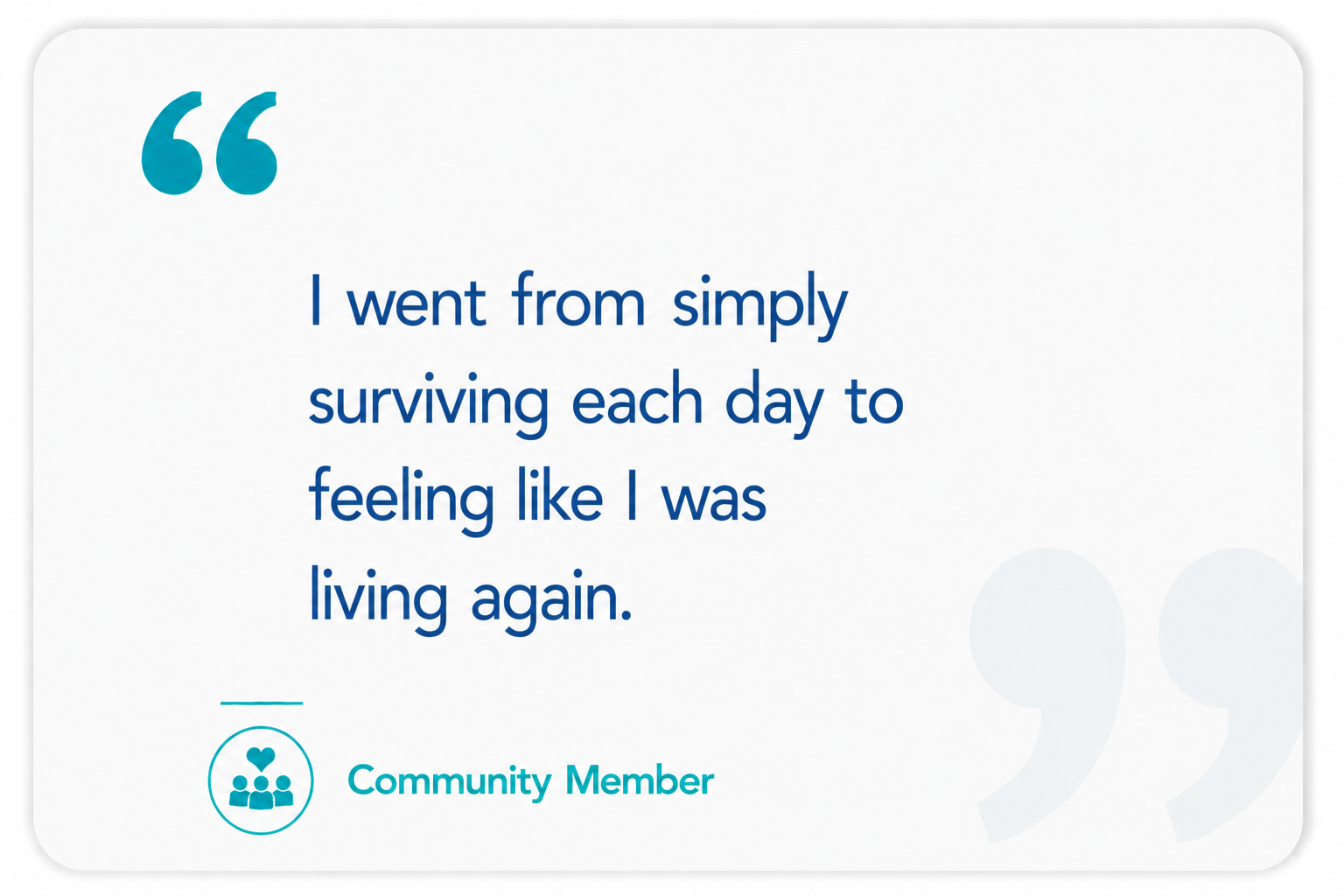
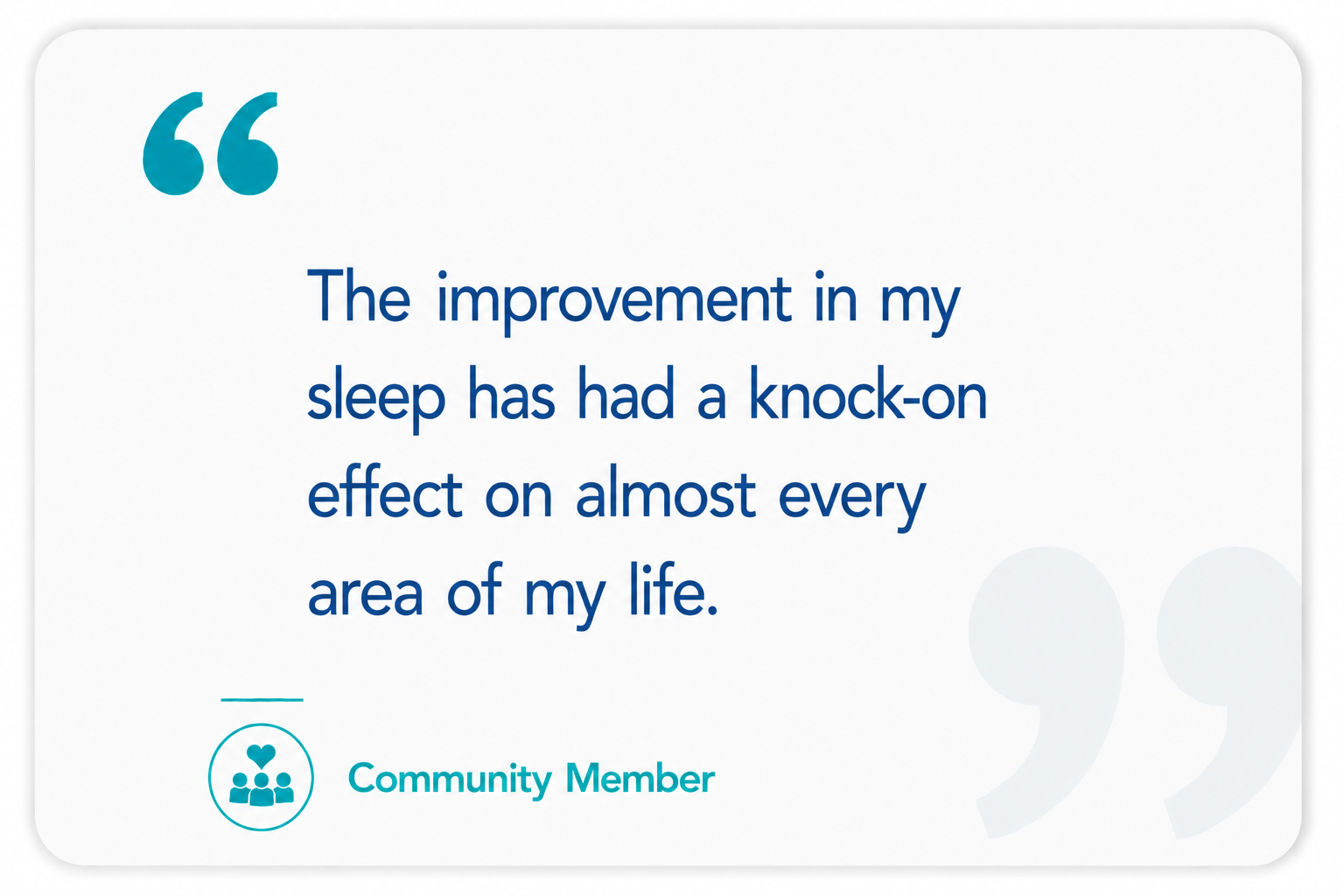
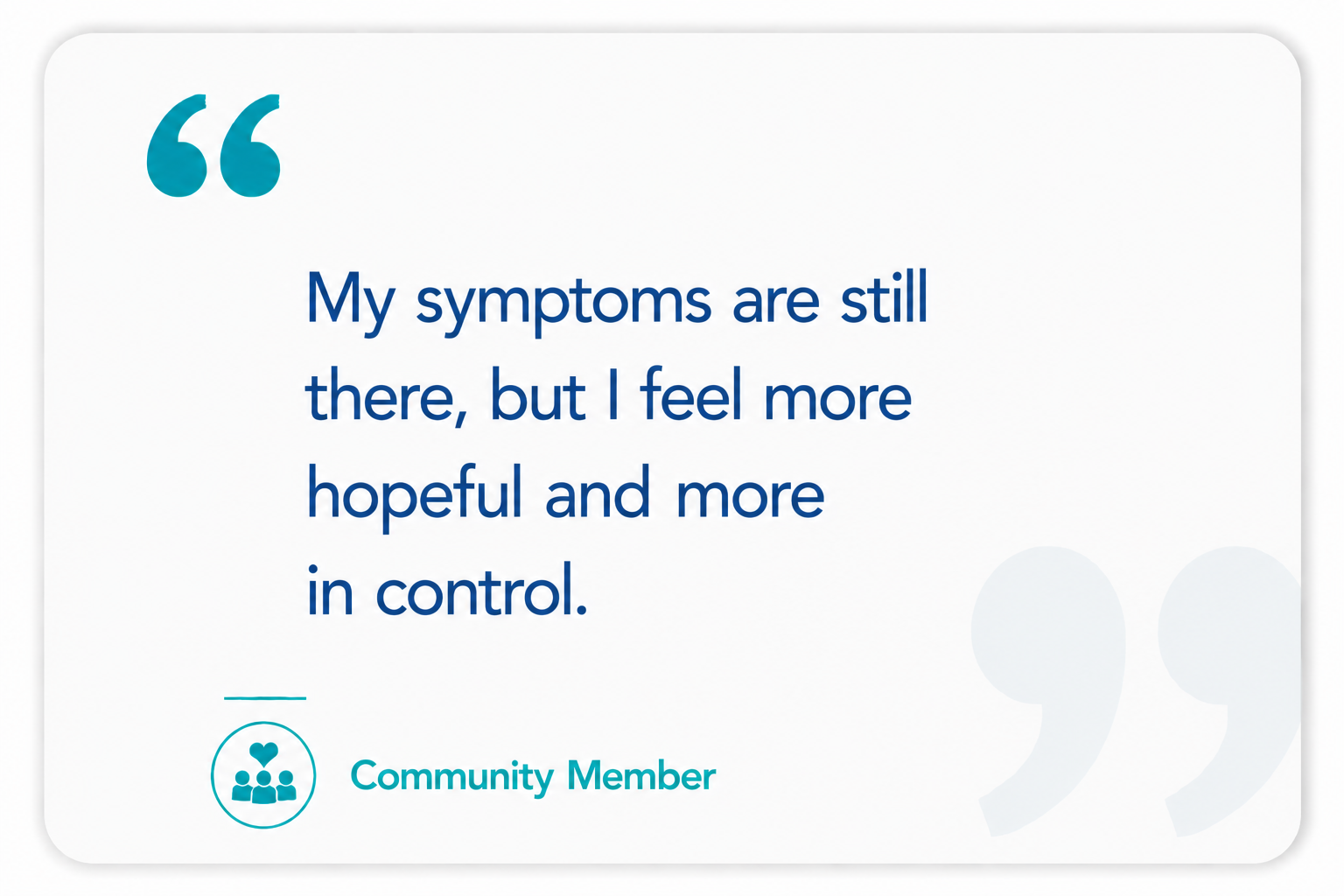
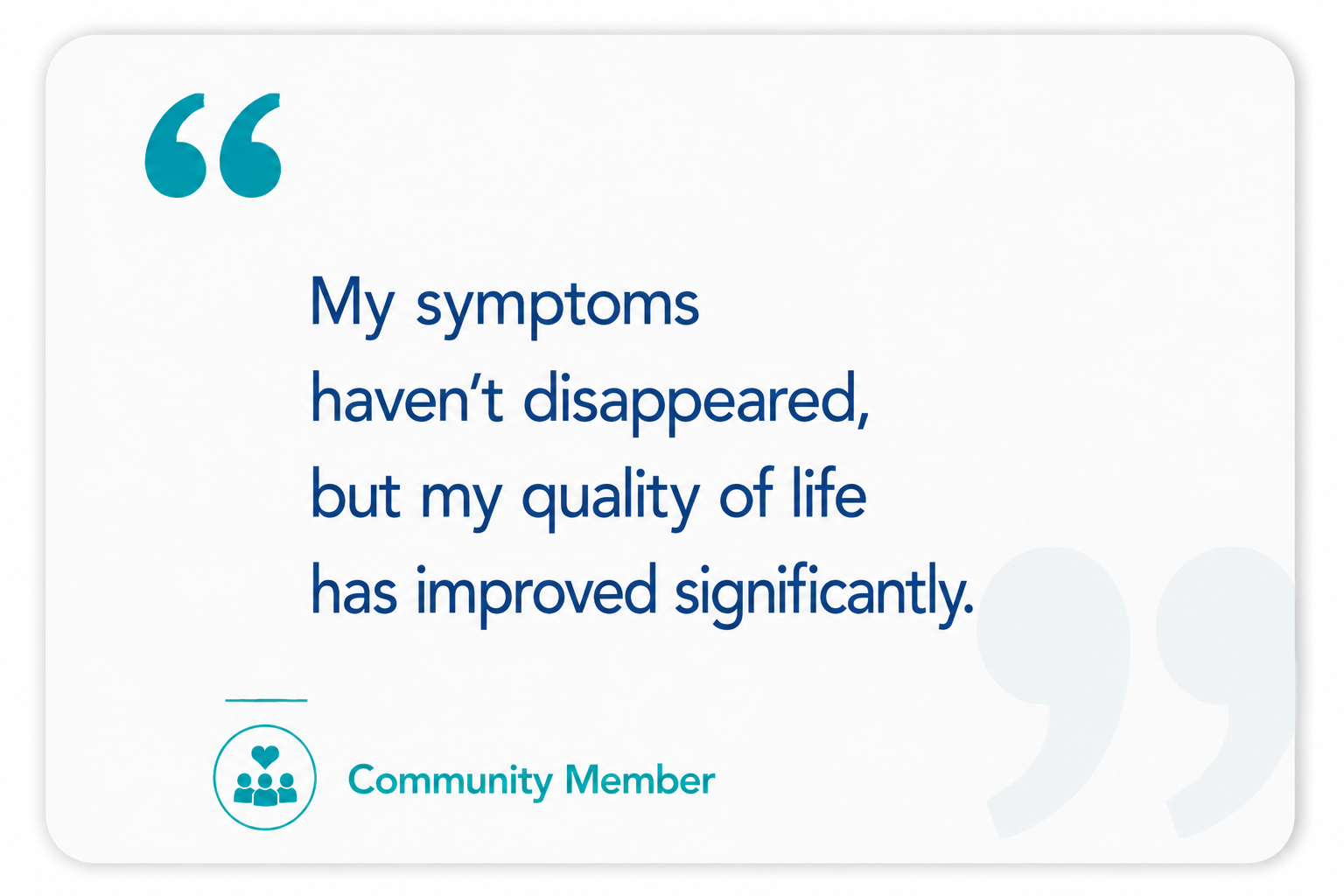
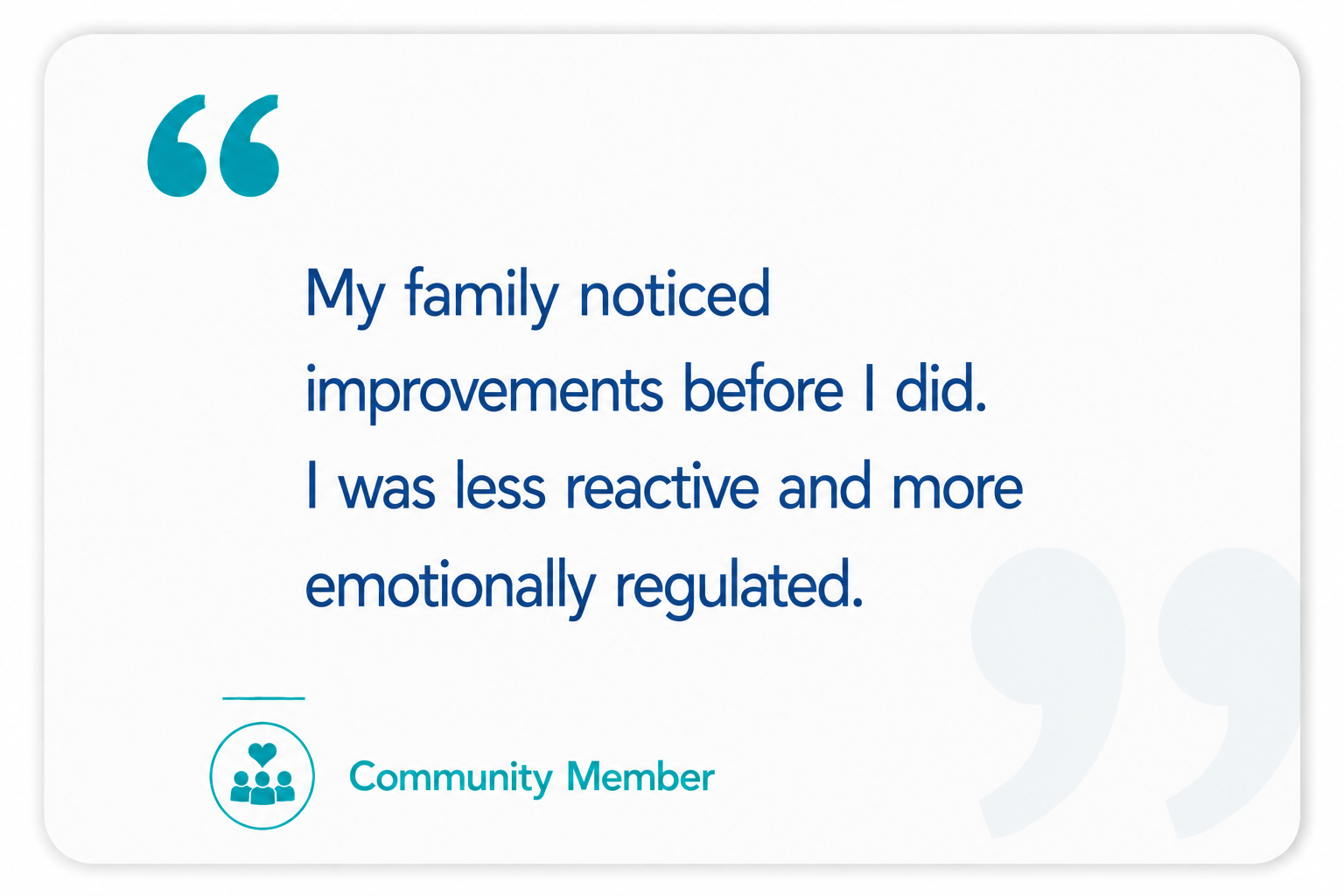
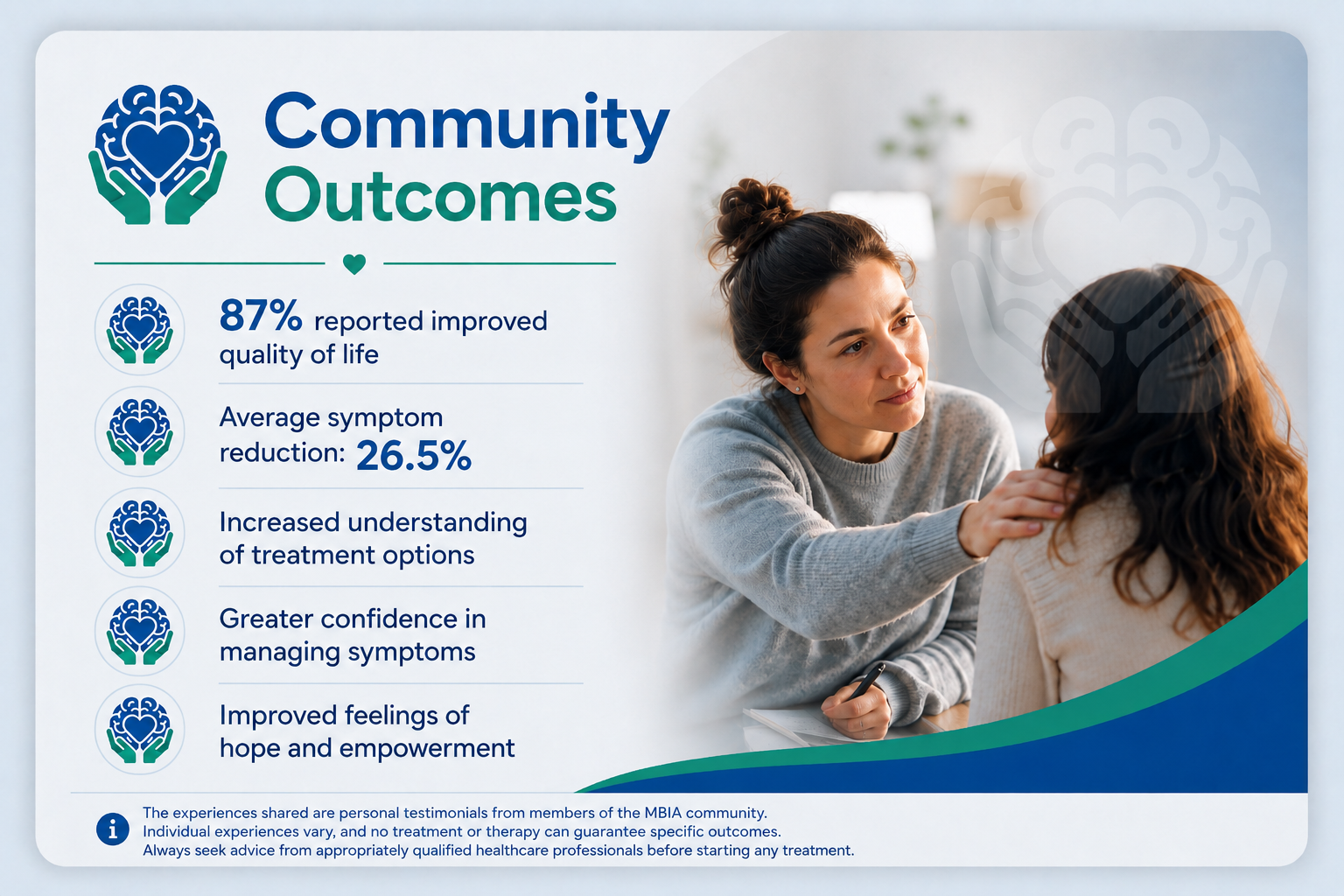
Every brain injury is different, and no single treatment works for everyone. The experiences below reflect feedback shared by members of the MBIA community regarding therapies and approaches they have chosen to explore. Individual experiences will vary.