What Is Hyperbaric Oxygen Therapy?
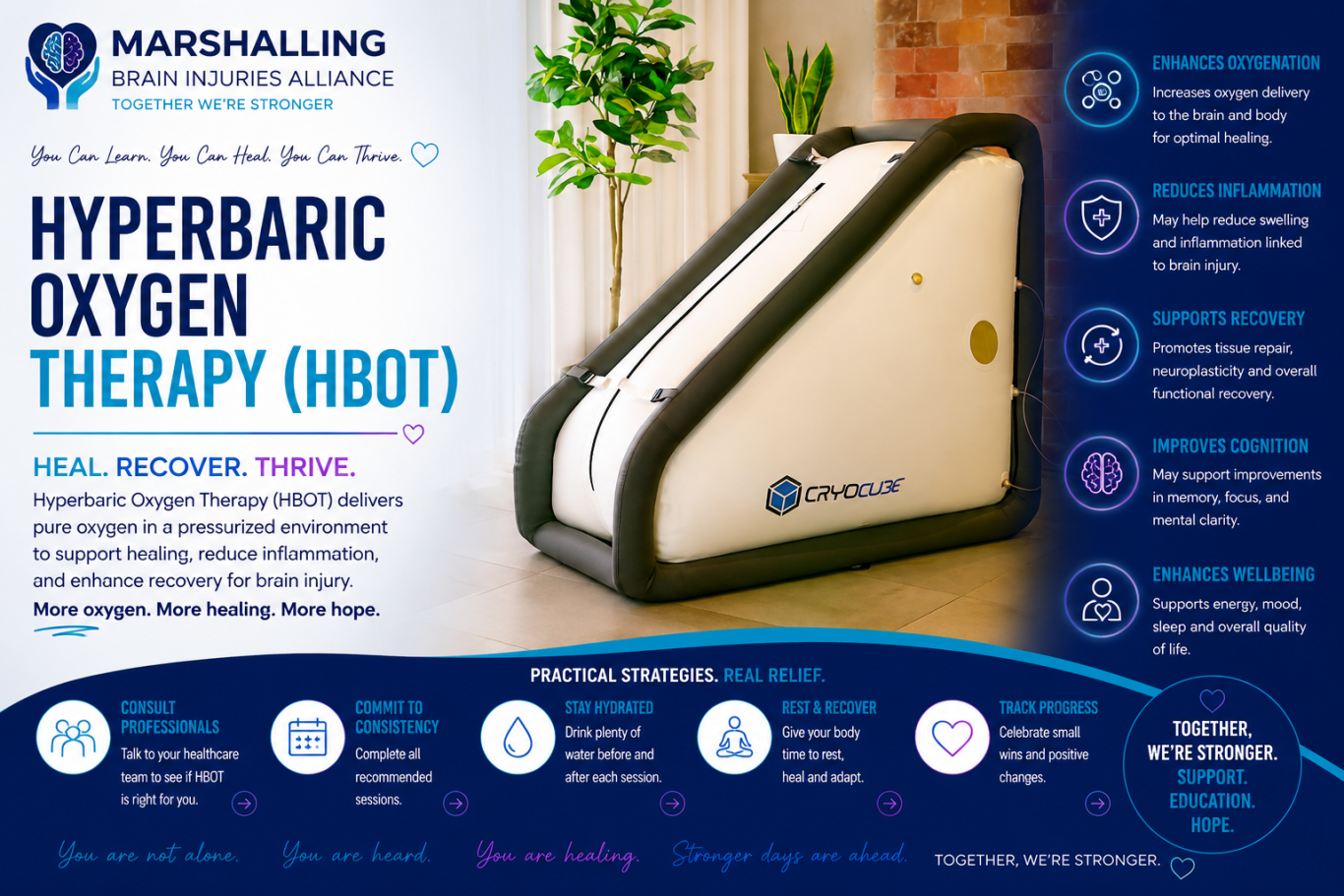
Hyperbaric Oxygen Therapy (HBOT) involves breathing 100% oxygen inside a pressurised chamber. The increased pressure allows oxygen to dissolve more effectively into the bloodstream and reach tissues that may be oxygen-deprived — including injured areas of the brain.
There are two main types of chambers:
- Monoplace chambers (single person, clear tube style)
- Multiplace chambers (multiple people treated together)
Sessions typically last 60–90 minutes, and treatment plans may involve multiple sessions over several weeks.
How HBOT May Support Brain Recovery
Research suggests HBOT may:
Increase Oxygen Delivery
Under pressure, oxygen dissolves directly into plasma, allowing it to reach injured brain tissue more effectively than normal breathing alone.
Reduce Inflammation
Hyperbaric oxygen may help modulate inflammatory pathways, which are often persistently elevated in chronic TBI and CTE.
Stimulate Neuroplasticity
Some studies indicate HBOT may promote neurogenesis (the formation of new neurons) and support the rewiring of neural pathways.
Improve Blood Flow
HBOT may stimulate angiogenesis — the formation of new blood vessels — improving long-term circulation in damaged brain regions.
Enhance Cognitive Function
Clinical research in chronic TBI patients has shown improvements in:
- Memory
- Attention
- Executive function
- Processing speed
- Quality of life measures
HBOT & Neurodegenerative Diseases
Hyperbaric Oxygen Therapy represents one of the more researched regenerative approaches in chronic brain injury. By increasing oxygen delivery, reducing inflammation, and supporting neuroplasticity, it offers a promising avenue for symptom improvement in TBI, CTE-related symptoms, and some forms of dementia.
While not a cure, HBOT may provide meaningful functional improvements for some individuals — particularly when integrated into a comprehensive, evidence-informed recovery plan.
Why Oxygen Matters in Brain Injury
There is growing interest in HBOT for neurodegenerative diseases such as Alzheimer’s disease and vascular dementia.
Emerging research suggests HBOT may:
- Improve cerebral blood flow
- Enhance cognitive performance in mild-to-moderate cases
- Support brain metabolism
- Reduce inflammatory markers
Early trials have shown promising cognitive improvements in some patients, but larger-scale studies are still needed.
HBOT should be viewed as a potential adjunct therapy, not a replacement for medical treatment.
After a traumatic brain injury (TBI), concussion, or repeated head trauma, the brain can experience:
- Reduced blood flow
- Impaired oxygen delivery
- Chronic inflammation
- Mitochondrial dysfunction
- Ongoing metabolic disturbance
Even months or years after injury, certain areas of the brain may remain in a state sometimes referred to as “metabolic hibernation” — alive but functioning below optimal levels due to insufficient oxygen and energy production.
HBOT aims to increase oxygen availability to these areas.
What Does the Research Say?
Several peer-reviewed studies in chronic TBI populations have demonstrated measurable improvements in cognitive function and brain imaging following structured HBOT protocols.
However, protocols vary widely, and outcomes depend on:
- Timing after injury
- Number of sessions
- Pressure used
- Individual health status
More large, standardised clinical trials are needed to establish universal guidelines.
HBOT & Chronic Traumatic Encephalopathy (CTE)
Why Oxygen Matters in Brain Injury
CTE is associated with long-term neuroinflammation, tau protein accumulation, and progressive cognitive decline following repetitive head impacts.
While HBOT is not a cure for CTE, it is being explored as a supportive intervention because it targets:
- Inflammation
- Oxygen metabolism
- Mitochondrial dysfunction
- Cerebral blood flow
These are key mechanisms believed to contribute to symptom progression.
After a traumatic brain injury (TBI), concussion, or repeated head trauma, the brain can experience:
- Reduced blood flow
- Impaired oxygen delivery
- Chronic inflammation
- Mitochondrial dysfunction
- Ongoing metabolic disturbance
Even months or years after injury, certain areas of the brain may remain in a state sometimes referred to as “metabolic hibernation” — alive but functioning below optimal levels due to insufficient oxygen and energy production.
HBOT aims to increase oxygen availability to these areas.
Is HBOT Safe?
When delivered in a certified medical facility, HBOT is generally considered safe.
- Potential side effects can include:
- Ear pressure or discomfort
- Temporary vision changes
- Fatigue after sessions
It may not be suitable for individuals with certain lung conditions or untreated pneumothorax. A full medical assessment is essential before starting treatment.
HBOT Rental in UK
Cryo Cube offer competitive monthly rental rates for soft-shell Hyperbaric Oxygen Therapy (HBOT) chambers. These portable chambers provide an accessible and cost-effective way to undertake HBOT from the comfort of your own home.
Designed for convenience, the soft-shell systems are lightweight and easy to assemble, and can be deflated and stored neatly when not in use — making them a practical option for long-term therapy without taking up permanent space.
For more information take a look at their website here.
Recovery Stories
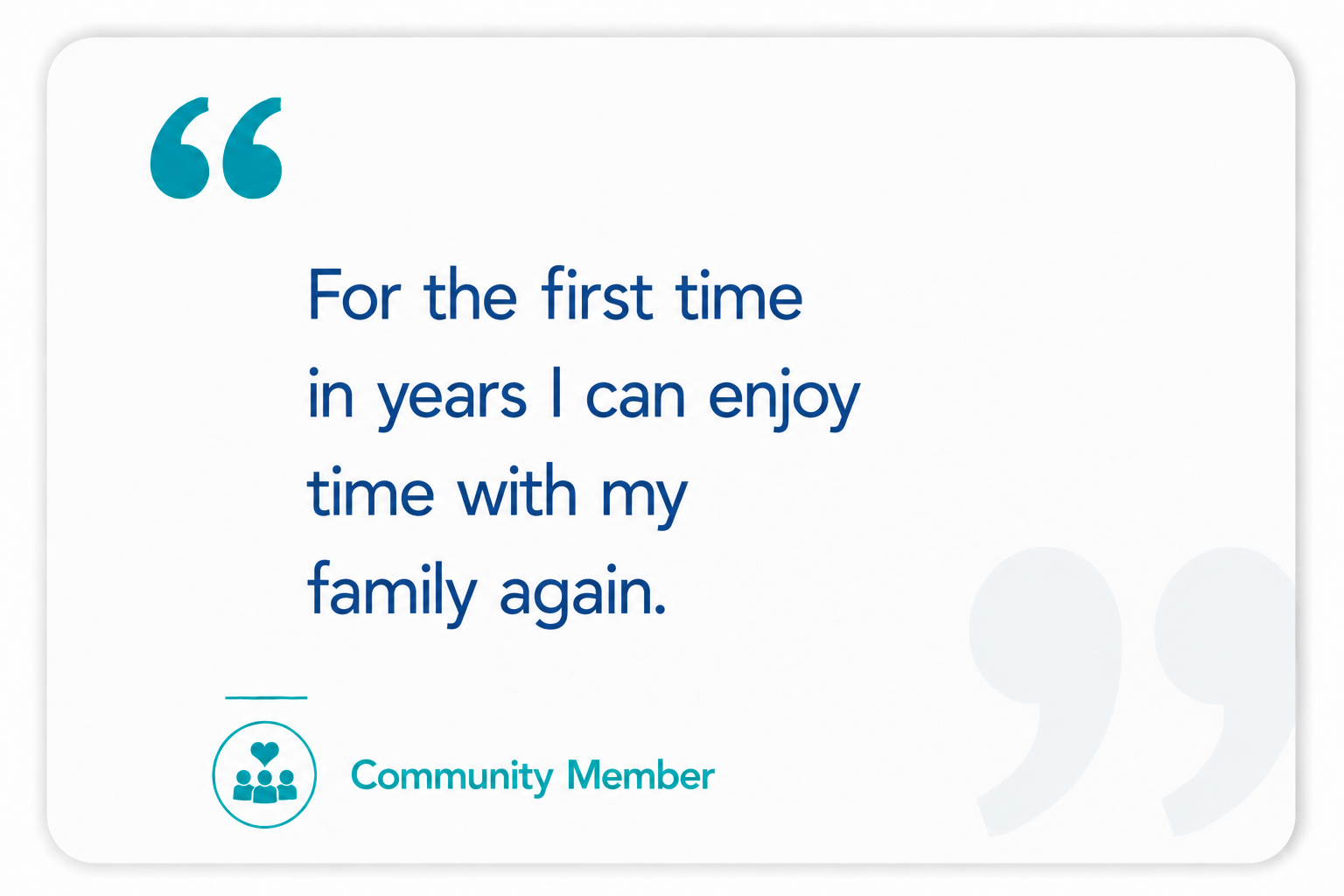
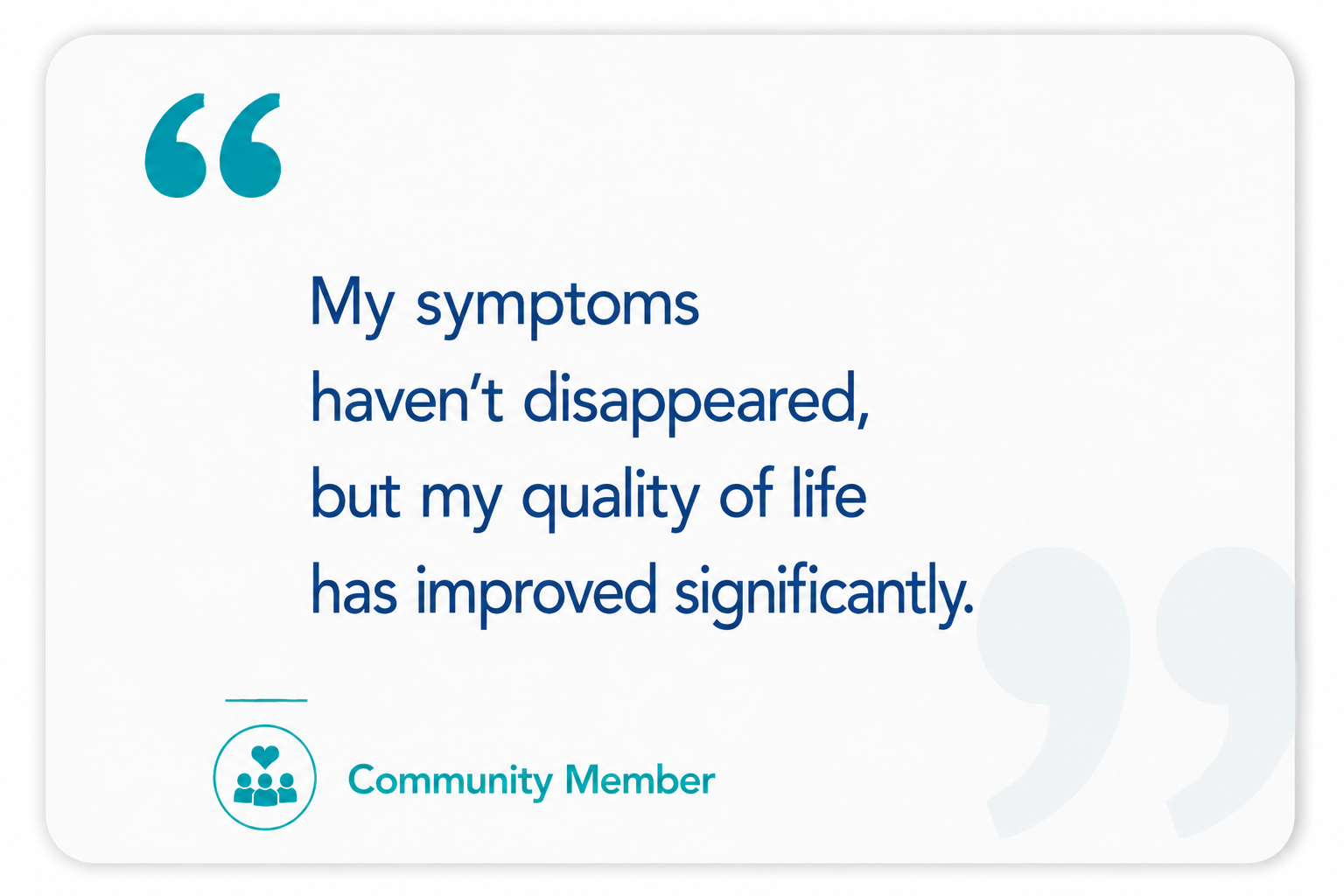
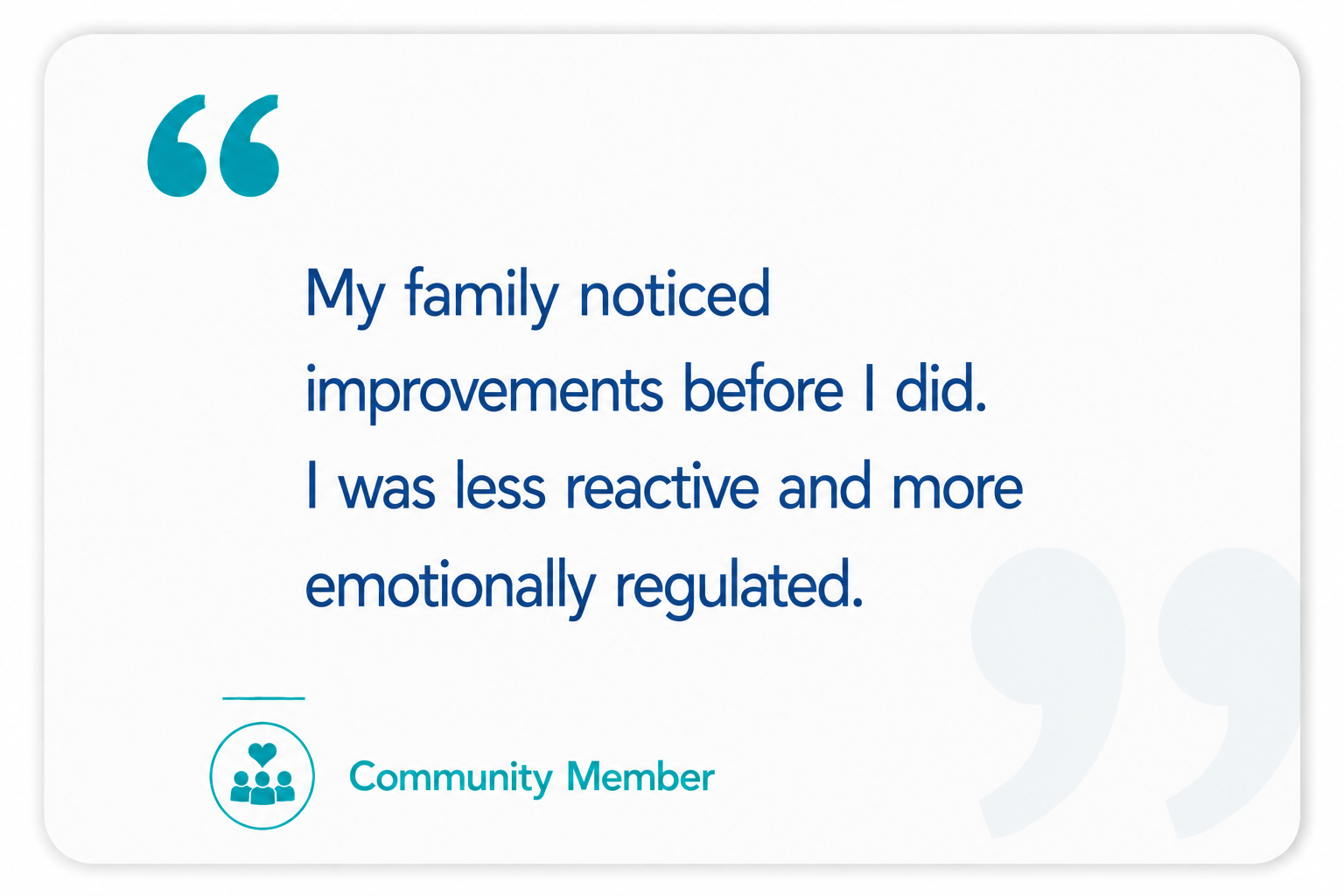
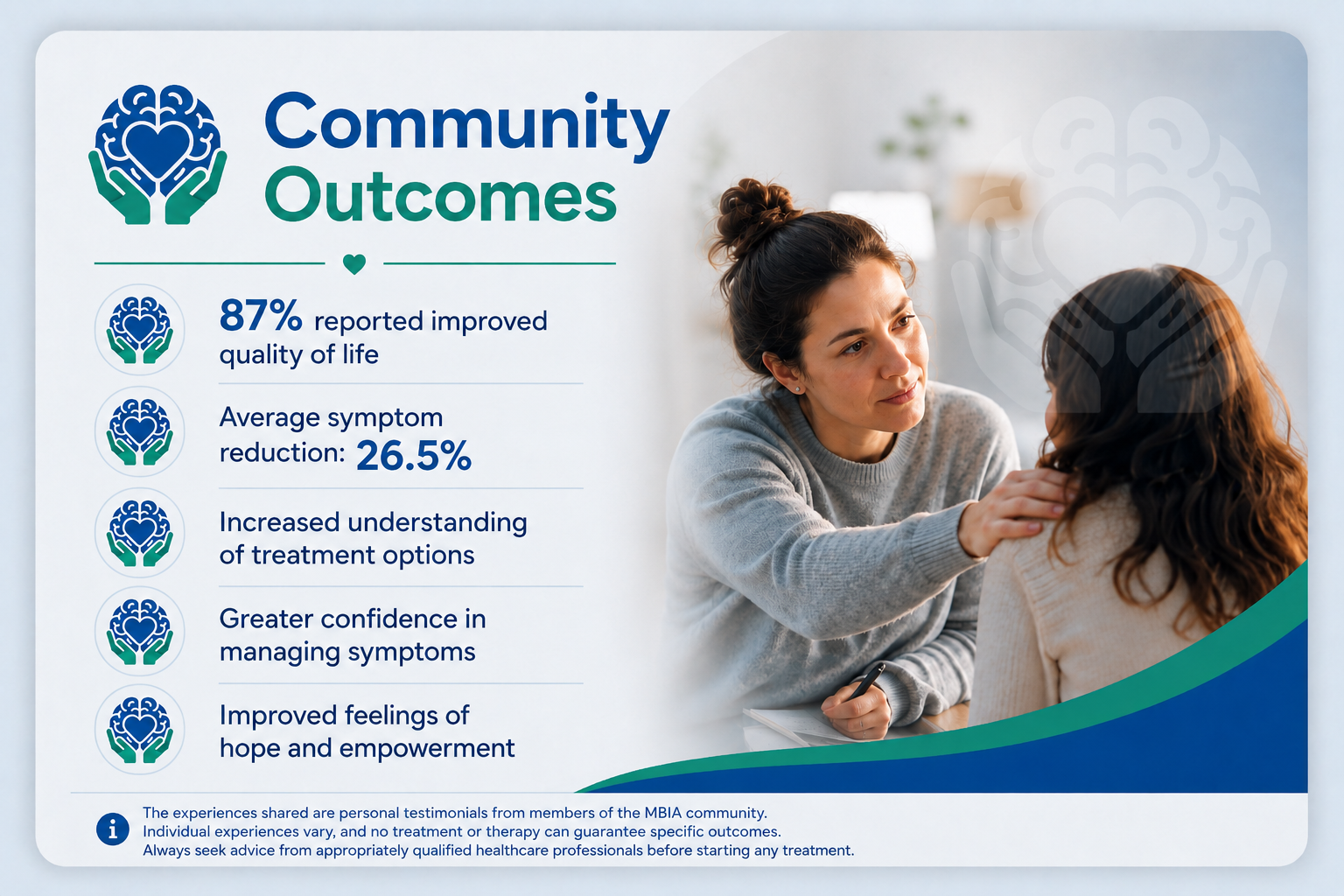
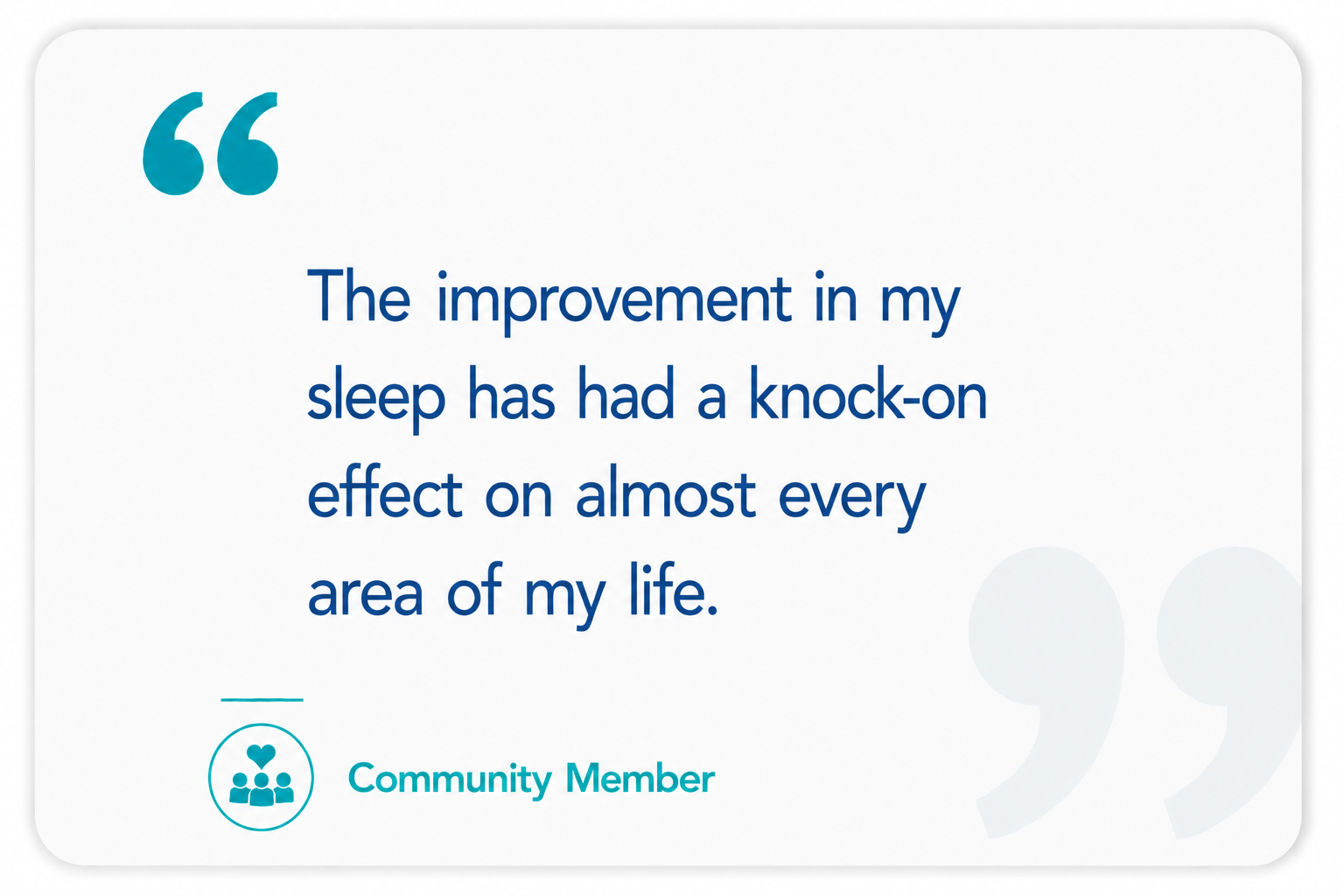
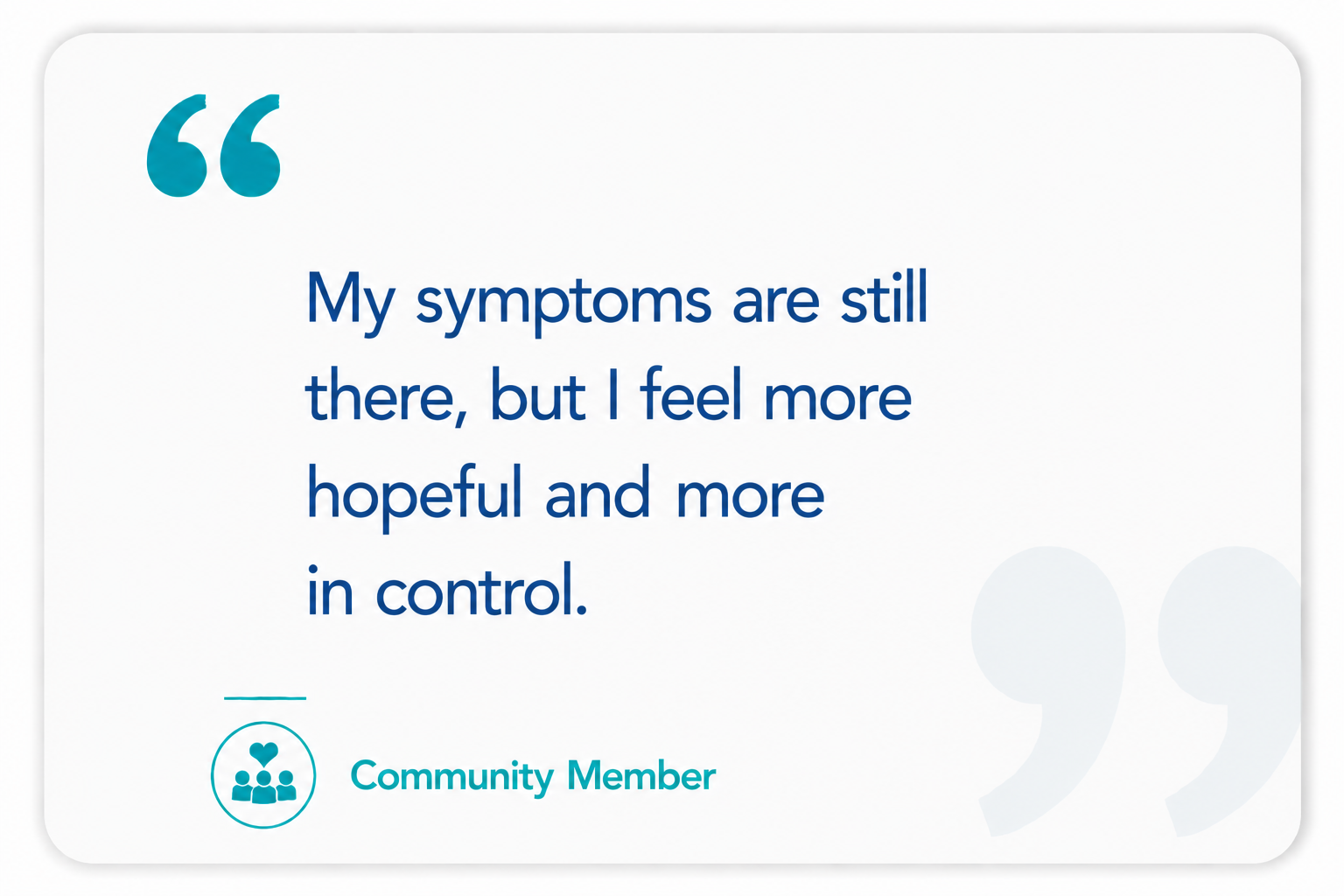
Every brain injury is different, and no single treatment works for everyone. The experiences below reflect feedback shared by members of the MBIA community regarding therapies and approaches they have chosen to explore. Individual experiences will vary.