How Caffeine Affects the Brain
Caffeine is one of the most widely consumed psychoactive substances in the world. Found in coffee, tea, energy drinks, cola, chocolate, and some medications, caffeine directly affects the brain and nervous system.
For people living with traumatic brain injury (TBI), repeated head injury, or probable chronic traumatic encephalopathy (CTE), caffeine can have different and sometimes amplified effects compared to the general population. While some people find it helpful for alertness and headaches, others experience worsened symptoms such as anxiety, sleep disturbance, or cognitive fatigue.
Caffeine works primarily by blocking adenosine, a neurotransmitter that promotes sleep and relaxation. By blocking adenosine, caffeine:
- Increases alertness and wakefulness
- Stimulates the central nervous system
- Increases release of dopamine and norepinephrine
- Raises heart rate and blood pressure
In a healthy brain, these effects are usually temporary and dose dependent. In an injured brain, the response can be stronger, less predictable, and longer lasting.
Why the Brain After TBI or Is More Sensitive
After TBI, the brain often exists in a state of:
- Neurometabolic imbalance
- Altered neurotransmitter signalling
- Increased excitability and inflammation
- Reduced tolerance to stressors
CTE is associated with:
- Chronic neuroinflammation
- Progressive neuronal damage
- Disrupted sleep–wake regulation
Because caffeine is a stimulant, it can place additional demand on a brain that is already struggling to regulate energy, arousal, and recovery.
Caffeine and Neuroinflammation
Caffeine has complex effects on inflammation:
- In low to moderate doses, caffeine may have mild anti-inflammatory and neuroprotective effects
- n higher doses, it can increase stress hormones (cortisol and adrenaline), which may worsen inflammation
For brains already experiencing chronic neuroinflammation — as seen in TBI and CTE — excessive stimulation may exacerbate symptoms rather than support healing.
Caffeine, Attention, and Cognitive Function
Potential Short-Term Benefits
Some people with TBI report that small amounts of caffeine:
- Improve alertness and concentration
- Reduce mental fatigue
- Help with headache management
Research shows caffeine can temporarily improve reaction time and attention by increasing cortical activation.
Potential Downsides
However, in many people with TBI or CTE, caffeine may:
- Increase brain fog later in the day
- Worsen cognitive fatigue
- Reduce processing efficiency with repeated use
Because caffeine does not provide energy but forces the brain to stay alert, it may contribute to a “crash” once its effects wear off.
Sleep Disruption and Brain Recovery
- Sleep is one of the most important factors in brain repair. Caffeine:
- Reduces total sleep time
- Decreases deep (slow-wave) sleep
- Disrupts REM sleep, which is critical for memory and emotional regulation
- Can remain active in the body for 6–8 hours (or longer in sensitive individuals)
Sleep disruption is especially problematic for people with TBI or CTE, as poor sleep is linked to:
- Worse cognitive symptoms
- Increased neuroinflammation
- Faster cognitive decline
- Reduced clearance of neurotoxic waste (including tau and beta-amyloid)
Caffeine, Anxiety, and Emotional Regulation
Many people with brain injury experience heightened anxiety or emotional reactivity.
Caffeine can:
- Increase anxiety and agitation
- Trigger palpitations or dizziness
- Worsen irritability and emotional lability
These effects are driven by increased stimulation of the sympathetic (“fight or flight”) nervous system — something that is often already overactive after TBI.
Caffeine and Long-Term Brain Health
In the general population, some studies suggest that moderate caffeine consumption may be associated with reduced risk of certain neurodegenerative diseases.
However, these findings do not necessarily translate to injured brains. For people with TBI or CTE:
- Chronic overstimulation may worsen metabolic stress
- Repeated sleep disruption may accelerate neurodegenerative processes
- Increased cortisol over time may negatively affect hippocampal health and memory
At present, there is no strong evidence that caffeine protects the injured brain long term, and some evidence suggests it may worsen symptoms in susceptible individuals.
Individual Sensitivity Matters
Response to caffeine after TBI varies widely and may change over time. Many people report that after brain injury they:
- Tolerate less caffeine than before
- Experience delayed or exaggerated reactions
- Feel worse with daily or high-dose use
This reduced tolerance is thought to reflect changes in neurotransmitter balance and autonomic nervous system regulation.
Practical Considerations for TBI and CTE
Evidence-informed approaches include:
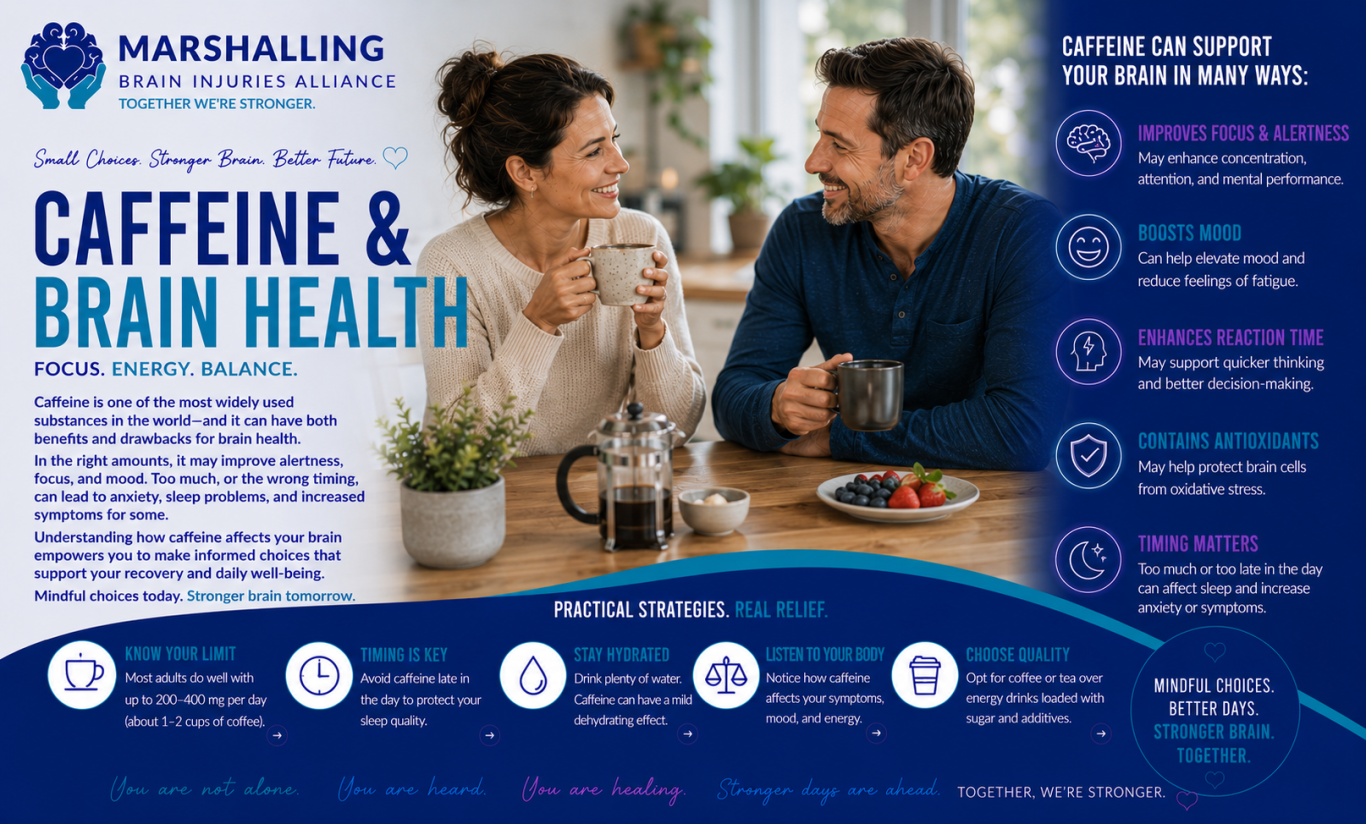
- Limiting caffeine intake or avoiding it altogether
- Avoiding caffeine after late morning or early afternoon
- Monitoring symptom changes (sleep, anxiety, headaches, fatigue)
- Prioritising hydration, nutrition, and natural energy support
- Recognising that “less is often more” for an injured brain
For some people, reducing or eliminating caffeine leads to better sleep, improved emotional stability, and reduced cognitive fatigue.