What Is Alpha-Lipoic Acid?
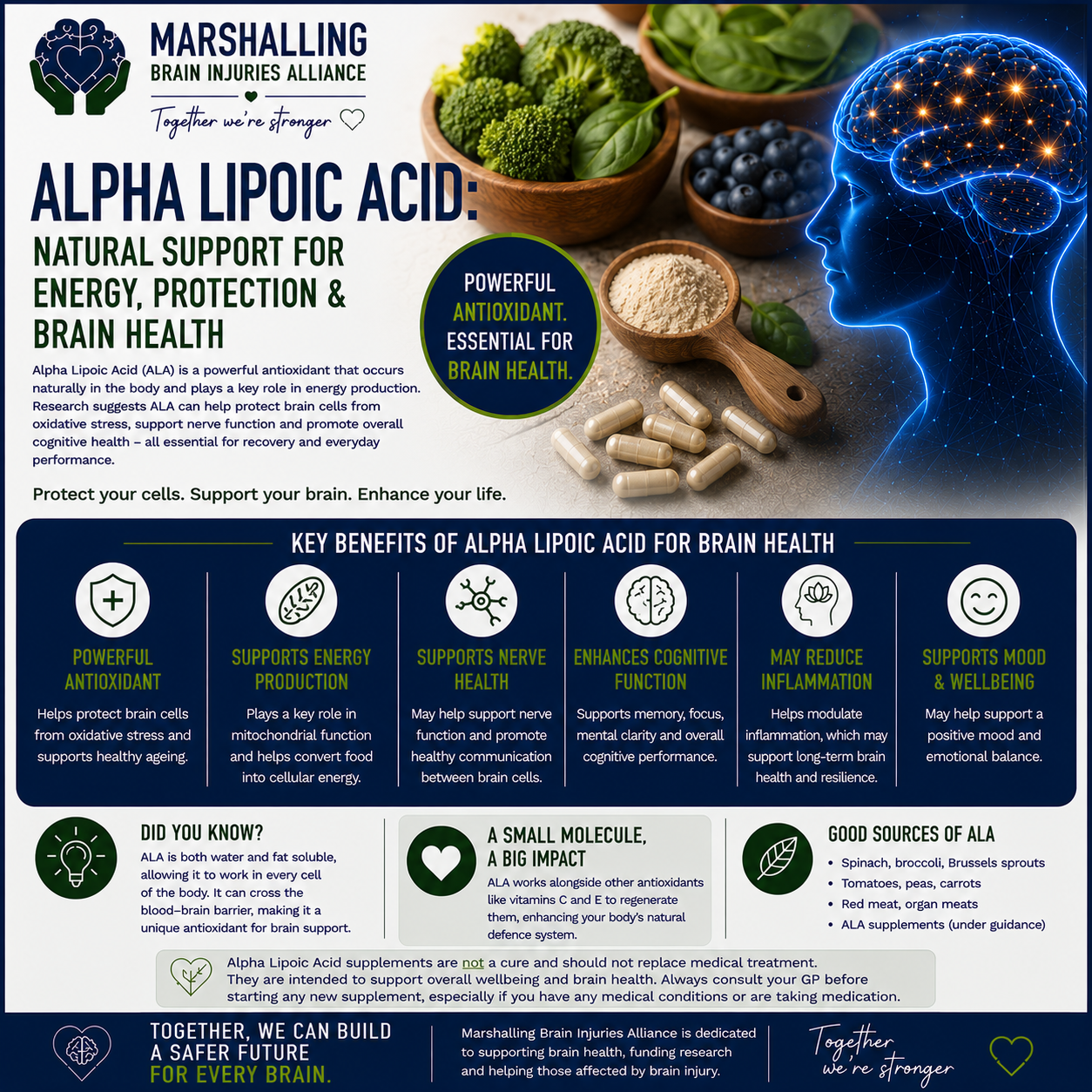
Alpha-Lipoic Acid is produced in small amounts by the body and is also found in foods such as spinach, broccoli, and organ meats. In supplement form, ALA is commonly used to support mitochondrial function, glucose metabolism, and antioxidant activity.
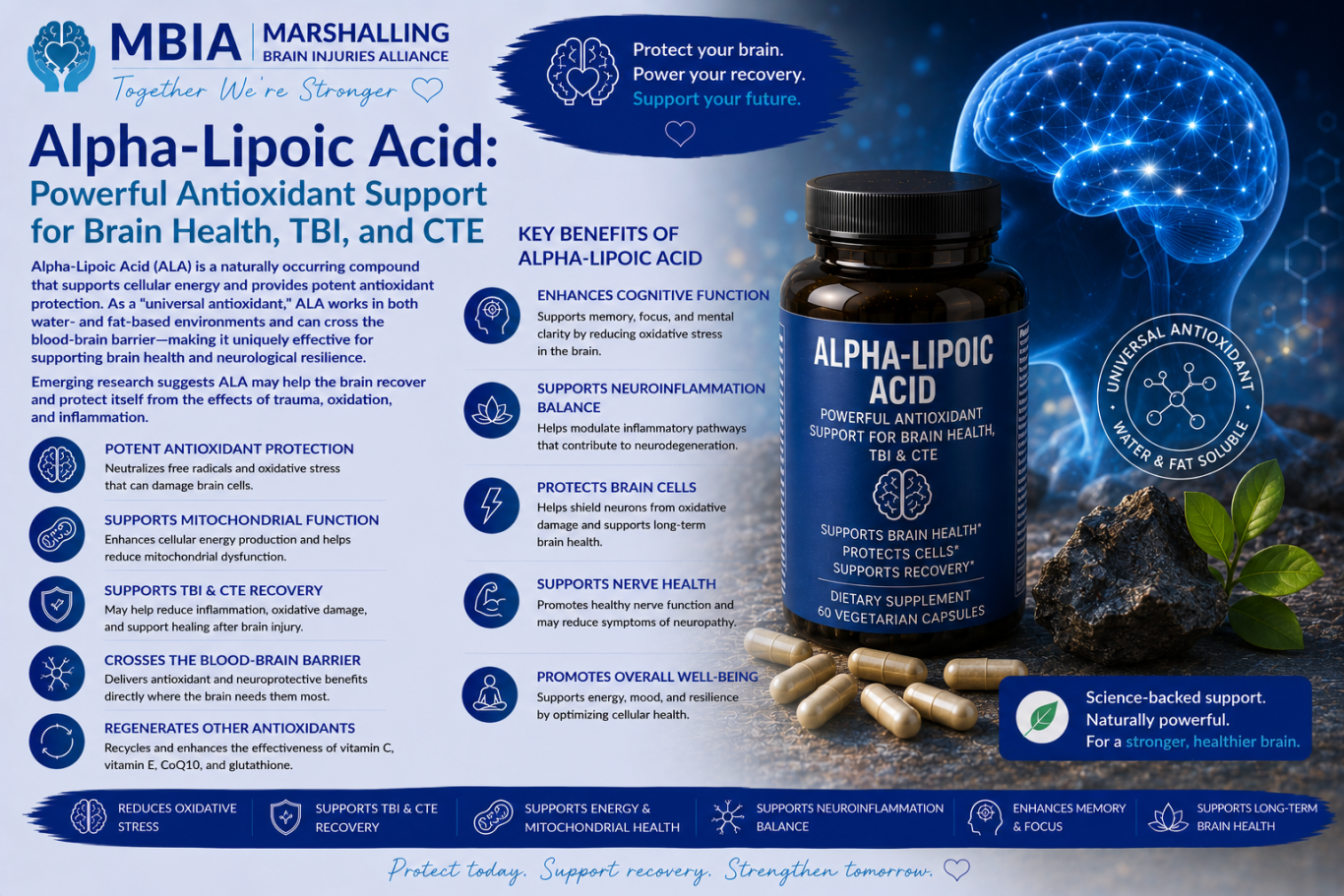
One of ALA’s most important characteristics is its ability to cross the blood-brain barrier, allowing it to directly support brain tissue.
How Alpha-Lipoic Acid Supports Brain Health
Powerful Antioxidant Protection
The brain is highly vulnerable to oxidative stress due to its high oxygen demand and lipid-rich structure. ALA helps neutralize free radicals and reduces oxidative damage that can impair neuronal function and accelerate cognitive decline.
Regenerates Other Antioxidants
ALA helps recycle and restore other key antioxidants such as vitamin C, vitamin E, and glutathione. This makes it a central player in the brain’s antioxidant defence network.
Supports Mitochondrial Energy Production
Healthy brain cells rely on efficient mitochondria to produce energy. ALA supports mitochondrial enzymes involved in ATP production, which is essential for focus, memory, and neural repair.
Supports Cognitive Function and Memory
By reducing oxidative damage and supporting cellular energy, ALA may help maintain memory, learning capacity, and mental clarity as the brain ages.
Alpha-Lipoic Acid and Traumatic Brain Injury (TBI)
TBI initiates a cascade of secondary injury processes, including oxidative stress, inflammation, mitochondrial dysfunction, and neuronal damage. These processes can persist long after the initial trauma.
Research suggests Alpha-Lipoic Acid may support recovery and long-term brain health after TBI by:
- Reducing oxidative stress in injured brain tissue
- Supporting mitochondrial repair and energy production
- Helping regulate neuroinflammation
- Protecting neurons from further damage
While ALA is not a treatment for TBI, its mechanisms of action align with key pathways involved in post-injury recovery.
Alpha-Lipoic Acid and CTE
CTE is a progressive neurodegenerative condition associated with repeated head trauma and is characterized by chronic inflammation, oxidative stress, and abnormal tau protein accumulation.
ALA’s ability to cross the blood-brain barrier and reduce oxidative and inflammatory stress makes it of interest for long-term neurological support. By supporting mitochondrial health and antioxidant defenses, ALA may help promote neuronal resilience in individuals at risk of or concerned about CTE. Human research is still evolving, but early findings are promising.
Beyond brain health, Alpha-Lipoic Acid may also:
- Support nerve health and peripheral neuropathy
- Improve insulin sensitivity and glucose metabolism
- Support overall cellular detoxification processes
These systemic benefits can be valuable for individuals recovering from brain injury or managing chronic neurological stress.
Additional Neurological and Metabolic Benefits
How to Take Alpha-Lipoic Acid
ALA supplements are commonly available in:
- Capsules or tablets
- R-ALA (R-Alpha-Lipoic Acid) – a more bioactive form
Typical dosages range from 300–600 mg per day, often taken on an empty stomach for optimal absorption. Dosage may vary depending on individual needs and product formulation.
Safety and Considerations
Alpha-Lipoic Acid is generally well tolerated. Possible side effects may include mild digestive upset or headache, especially at higher doses. Individuals taking medications that affect blood sugar or those with medical conditions should consult a healthcare professional before use.
Study https://www.sciencedirect.com/science/article/abs/pii/S0304394023000526