What Is Ashwagandha?
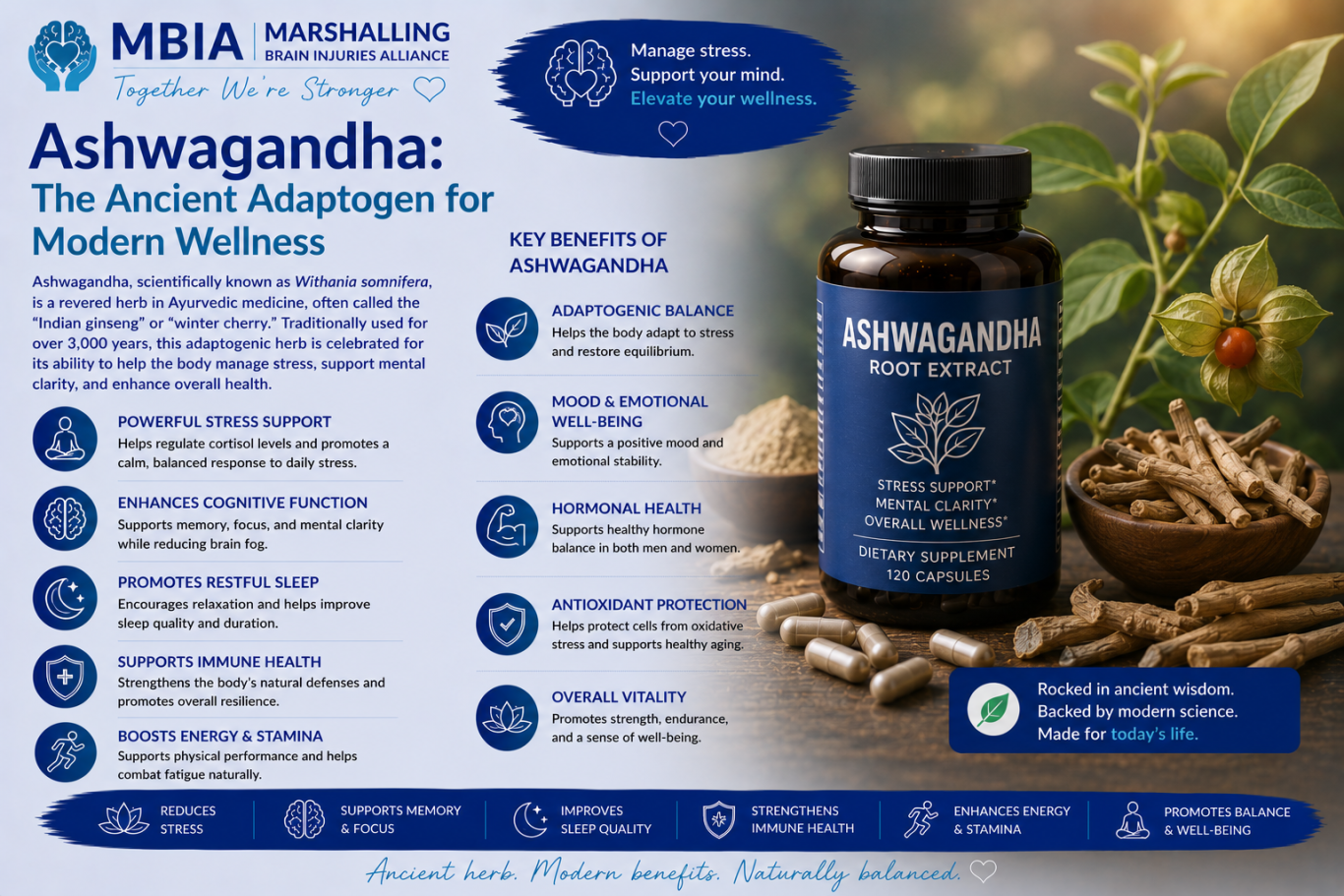
Ashwagandha is classified as an adaptogen, a natural substance that helps the body resist physical, mental, and environmental stress. Its active compounds, called withanolides, are believed to support the nervous system, reduce inflammation, and enhance cellular health.
Key Benefits of Ashwagandha Supplements
Stress Reduction and Anxiety Relief
Ashwagandha helps regulate cortisol, the body’s stress hormone, which can reduce feelings of tension and promote a sense of calm. Clinical studies have shown that consistent supplementation may significantly lower stress and anxiety levels.
Supports Brain Function and Memory
Ashwagandha may enhance cognitive function by promoting antioxidant activity in the brain and protecting neurons from oxidative stress. Research suggests it may improve memory, focus, and overall mental clarity.
Boosts Energy and Endurance
By helping the body adapt to stress and reduce fatigue, Ashwagandha can support physical performance and stamina. Some studies indicate it may improve strength, muscle recovery, and overall vitality.
Hormonal and Immune Support
Ashwagandha may help balance hormones, particularly in reducing cortisol and supporting thyroid function. Additionally, its antioxidant and anti-inflammatory properties contribute to immune system health.
Promotes Sleep Quality
Ashwagandha has been found to improve sleep quality by calming the nervous system, making it a natural option for those struggling with insomnia or restless nights.
How to Take Ashwagandha
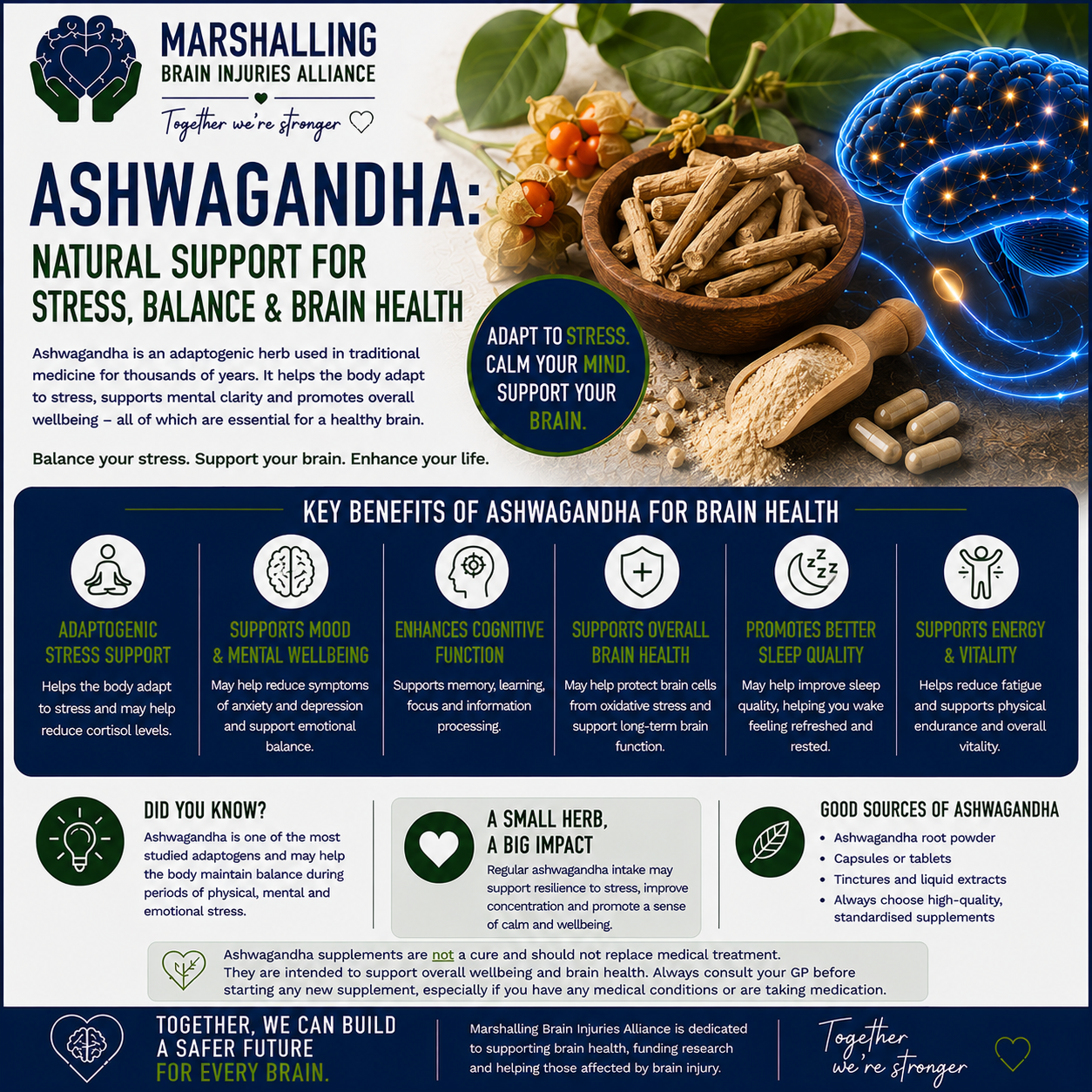
Ashwagandha is available in multiple forms:
- Capsules or tablets – convenient daily doses
- Powder (root or extract) – can be mixed into teas, smoothies, or milk
- Liquid extracts or tinctures – for faster absorption
Ashwagandha is generally safe for most adults when taken as directed. Possible side effects may include:
- Digestive upset
- Mild drowsiness
It’s recommended that pregnant or breastfeeding individuals, or those with autoimmune conditions or thyroid disorders, consult a healthcare provider before use.