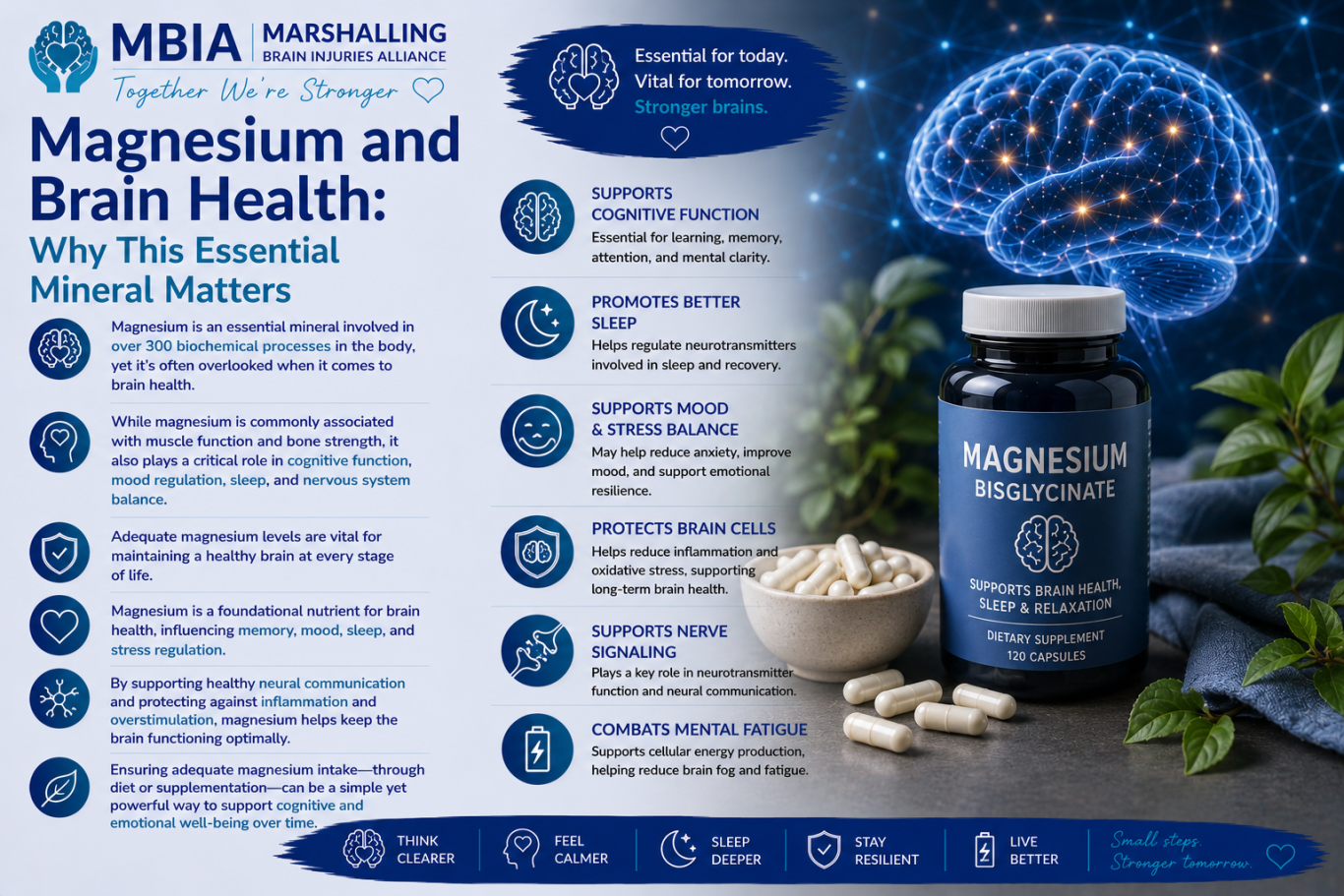
Benefits for brain health increases cerebral blood flow, aid for secondary symptoms of TBI, energy support
- Nervous System Function: It contributes to the normal functioning of the nervous system and helps regulate cellular stress.
- Relaxation and Mood: Both magnesium and the amino acid glycine have calming effects. Magnesium is involved in producing serotonin, a "feel-good" brain chemical, and helps regulate the HPA axis (the body's stress response system), which can help alleviate stress, anxiety, and depression symptoms.
- Sleep Quality: It is widely used to promote relaxation and normal sleep, which is crucial for optimal cognitive function, memory, and focus during the day.
- Neuroprotection: Emerging research suggests low magnesium levels may be linked to neurological issues like migraines and potentially a higher risk for conditions like Alzheimer's, Parkinson's, and stroke, indicating a protective role for adequate magnesium intake.
Magnesium’s Role in Brain Function
Magnesium helps regulate neurotransmitters, the chemical messengers that allow brain cells to communicate with one another. It also controls the activity of NMDA receptors, which are involved in learning and memory. By preventing excessive stimulation of these receptors, magnesium protects brain cells from overstimulation and potential damage.
This balancing effect helps maintain mental clarity, focus, and emotional stability.
Supports Memory and Learning
Research suggests that magnesium plays a key role in synaptic plasticity, the brain’s ability to form and strengthen connections between neurons. This process is essential for learning and memory formation.
Certain forms of magnesium, such as magnesium L-threonate, have shown promise in supporting memory and cognitive performance because they are able to cross the blood–brain barrier more effectively than other forms.
Reduces Stress and Supports Mood
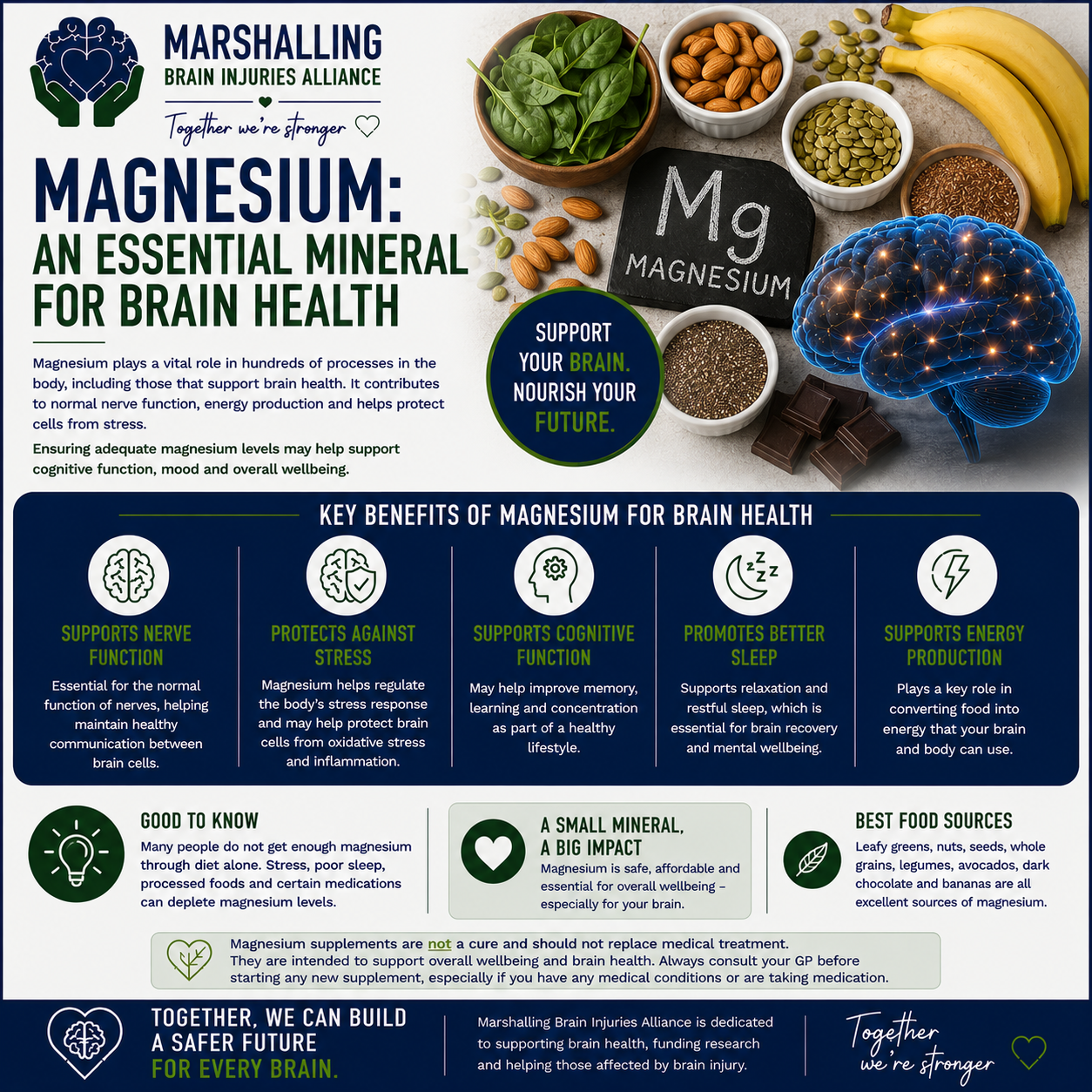
Magnesium is often referred to as a “calming mineral” because of its role in regulating the body’s stress response. It helps modulate cortisol levels and supports the production of neurotransmitters like serotonin, which influences mood and emotional well-being.
Low magnesium levels have been linked to increased risk of anxiety, depression, and irritability. Ensuring adequate intake may help promote emotional balance and resilience to stress.
Improves Sleep Quality
Quality sleep is essential for brain health, memory consolidation, and emotional regulation. Magnesium supports sleep by activating the parasympathetic nervous system, which helps the body relax. It also regulates melatonin, the hormone responsible for sleep-wake cycles.
People with magnesium deficiency often experience difficulty falling or staying asleep, making magnesium especially valuable for supporting restorative rest.
Signs of Magnesium Deficiency
Magnesium deficiency is more common than many people realize, due in part to modern diets and chronic stress. Common signs may include:
- Brain fog or poor concentration
- Anxiety or mood changes
- Fatigue
- Headaches or migraines
- Sleep disturbances
Supplement forms vary, with magnesium glycinate, citrate, and L-threonate often preferred for brain and nervous system support due to better absorption and tolerability.
Magnesium has anti-inflammatory and neuroprotective properties that may help slow age-related cognitive decline. Chronic inflammation and oxidative stress are major contributors to neurodegenerative conditions such as Alzheimer’s disease. Magnesium helps reduce these damaging processes while supporting healthy blood flow to the brain.
Study https://naturalcalm.ca/magnesium-and-3-other-supplements-to-help-concussion-recovery/