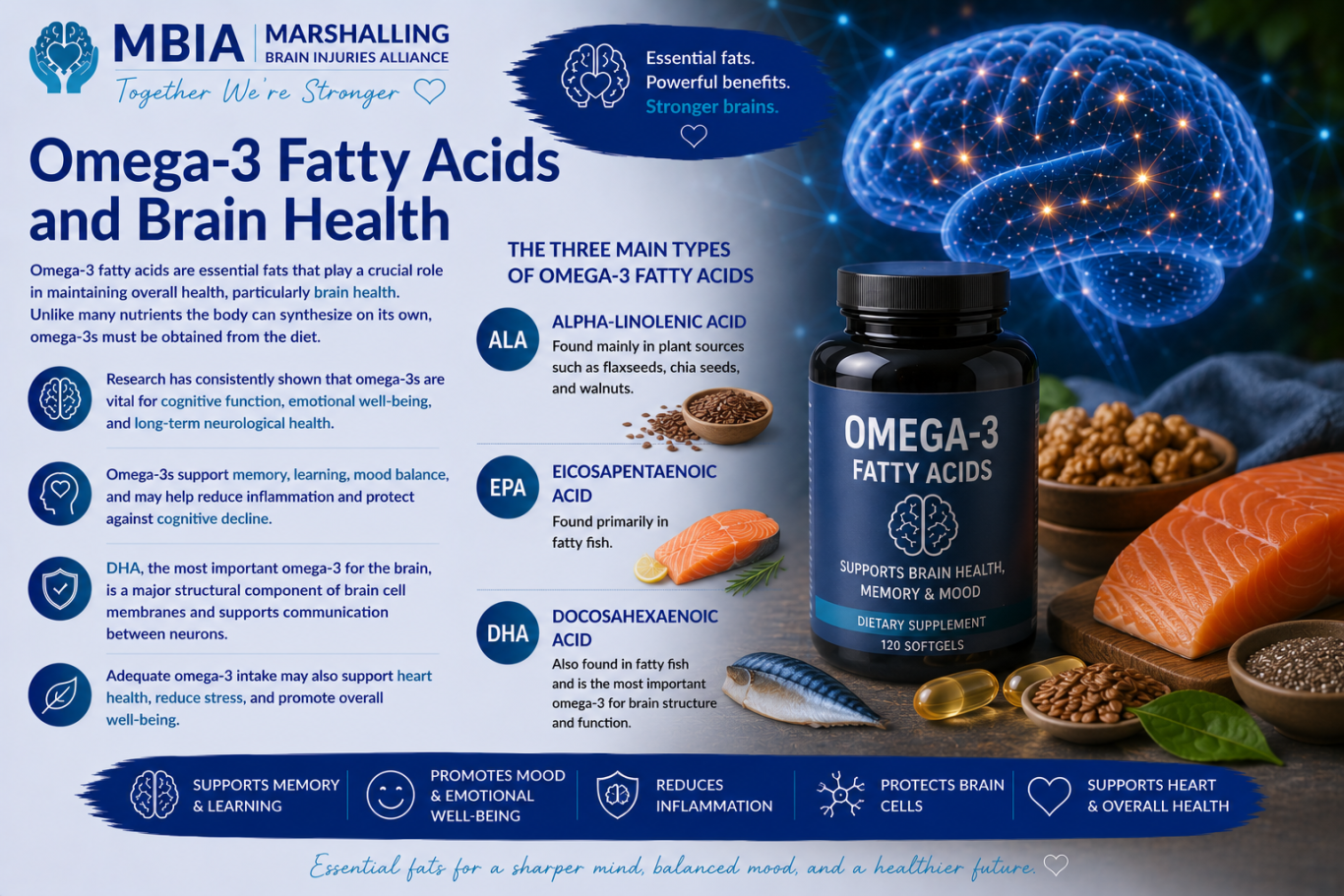
Benefits for brain health
How Omega-3 Supports Brain Function
- Structural Component: DHA is a major part of brain cell membranes, making them fluid and flexible for better communication.
- Anti-inflammatory: EPA acts as an anti-inflammatory, combating oxidative stress that damages brain cells.
- Cognitive Function: Supports memory, focus, learning, and overall thinking skills.
- Mental Health: May help reduce symptoms of anxiety and depression, with low intake linked to higher risks of various mental health issues.
Brain Structure and Development
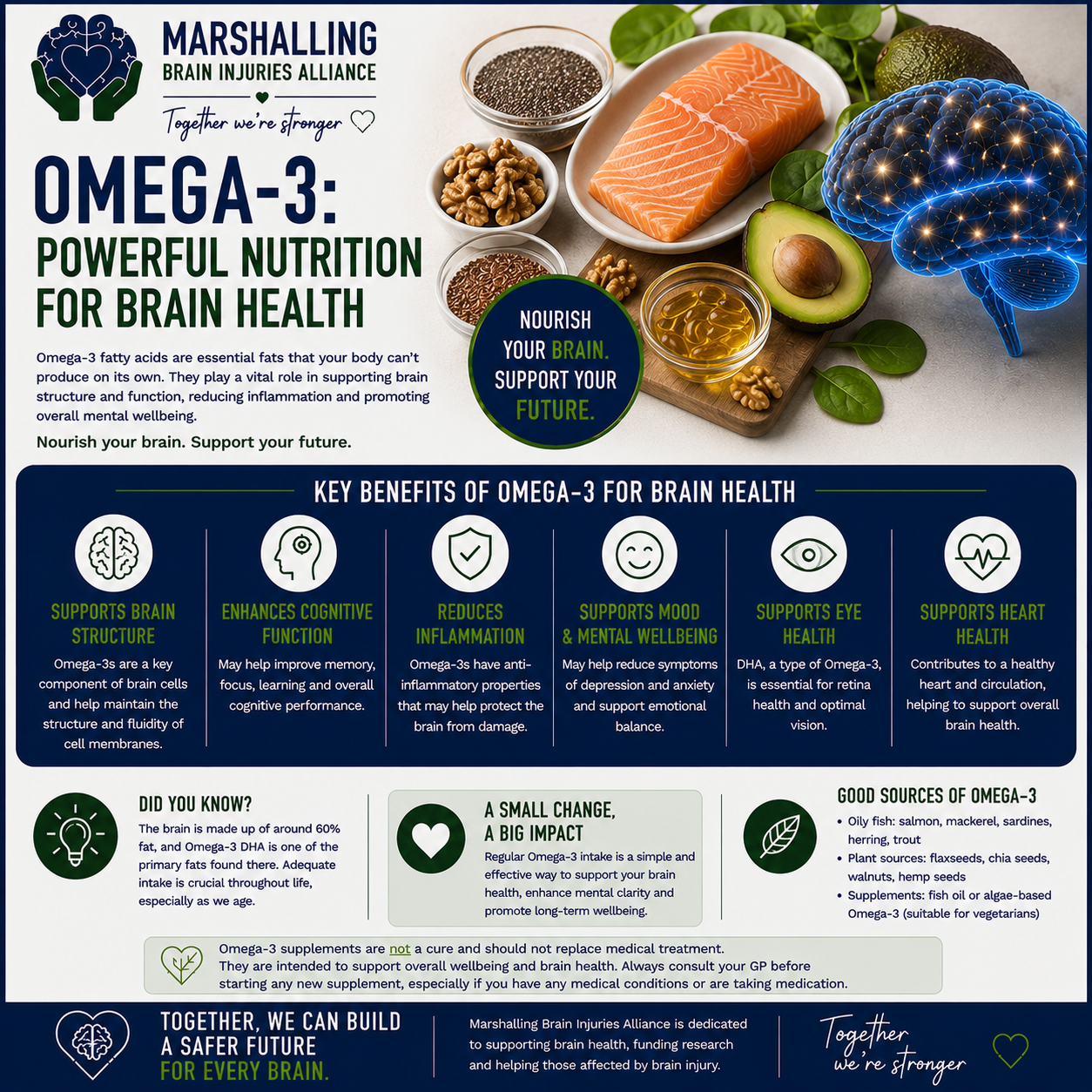
The human brain is nearly 60% fat, and DHA is one of its most abundant fatty acids. It plays a key role in building and maintaining neuron membranes, supporting efficient communication between brain cells. During pregnancy and early childhood, adequate DHA intake is critical for proper brain and visual development.
Cognitive Function and Memory
Omega-3 fatty acids support learning, memory, and overall cognitive performance. DHA improves membrane fluidity in brain cells, which enhances signal transmission and neural communication. Studies suggest that people with higher omega-3 intake often perform better on memory and attention tasks.
Mental Health and Emotional Balance
Omega-3s are strongly linked to emotional well-being. EPA and DHA help regulate neurotransmitters such as serotonin and dopamine, which influence mood and motivation. Adequate omega-3 intake has been associated with lower rates of depression, anxiety, and mood disorders.
Neuroprotection and Aging
Omega-3 fatty acids help protect the brain from inflammation and oxidative stress, two major contributors to cognitive decline. Regular intake may reduce the risk of age-related cognitive disorders and support long-term brain resilience.
Enhances Memory and Learning
Omega-3, particularly DHA, supports synaptic plasticity — the brain’s ability to form and strengthen connections. This process is essential for learning, problem-solving, and memory retention.
Helps Protect Against Cognitive Decline
Studies suggest that regular Omega-3 consumption may slow age-related cognitive decline and reduce the risk of neurodegenerative diseases such as Alzheimer’s. Its anti-inflammatory and antioxidant properties help protect brain cells from damage.
Improves Mood and Mental Health
Omega-3 has been shown to support emotional well-being and may reduce symptoms of depression and anxiety. EPA, in particular, is associated with regulating neurotransmitters like serotonin and dopamine, which influence mood.
Supports Focus and Attention
Some research indicates Omega-3 supplementation can help improve attention and executive function, especially in individuals with attention-related challenges such as from a brain injury.
Possible side effects Usually mild, they include unpleasant taste, bad breath, bad-smelling sweat, headache, and gastrointestinal symptoms such as heartburn, nausea, and diarrhoea.