What Is Shilajit?
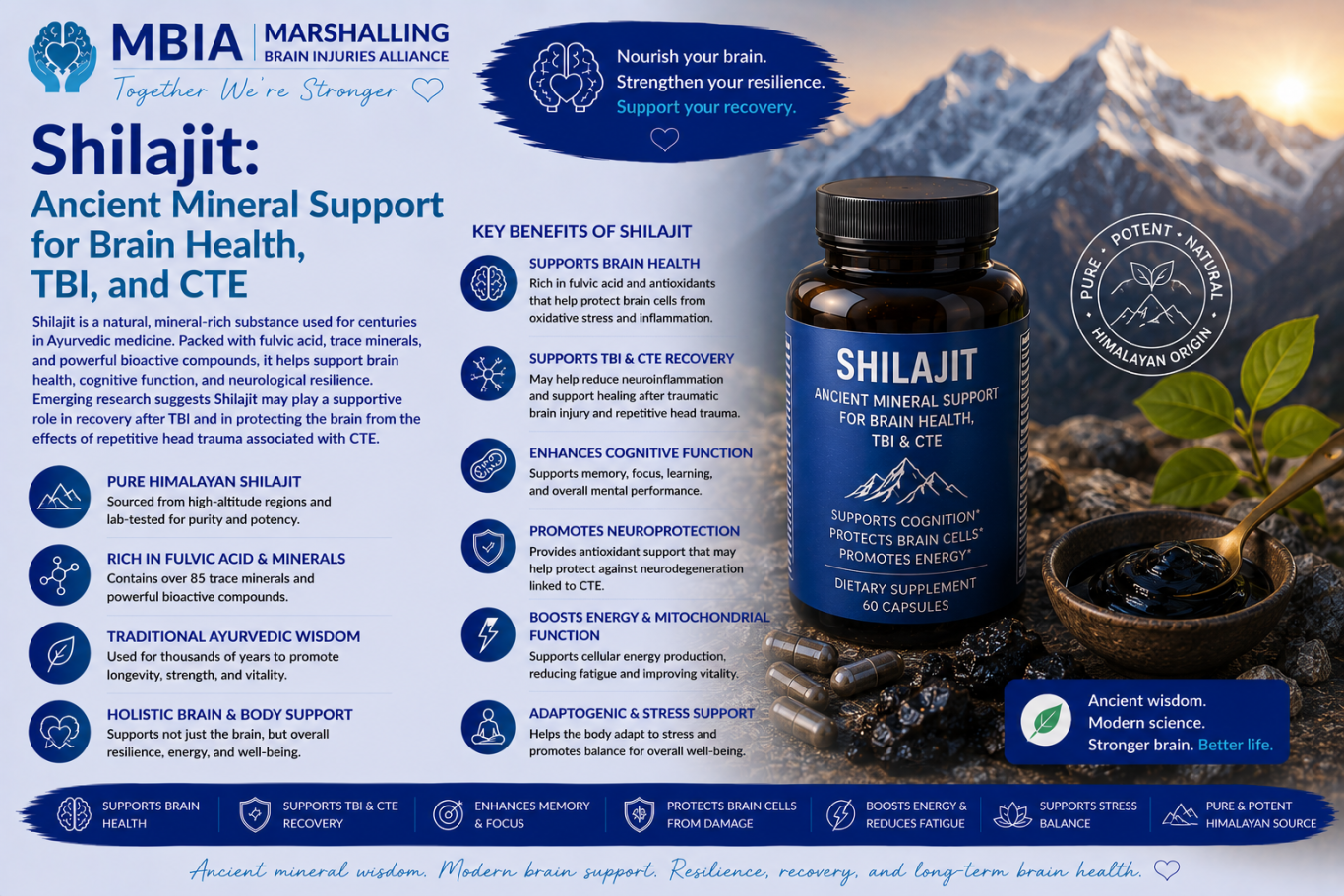
Shilajit is a sticky, tar-like substance rich in fulvic acid, humic substances, and over 80 trace minerals in ionic form. Fulvic acid is considered one of its most important components due to its antioxidant, anti-inflammatory, and cellular-support properties.
Purified Shilajit supplements are commonly standardized for fulvic acid content to ensure safety, potency, and consistency.y reserve system when demand suddenly increases.
How Shilajit Supports Brain Health
Supports Mitochondrial Function and Energy
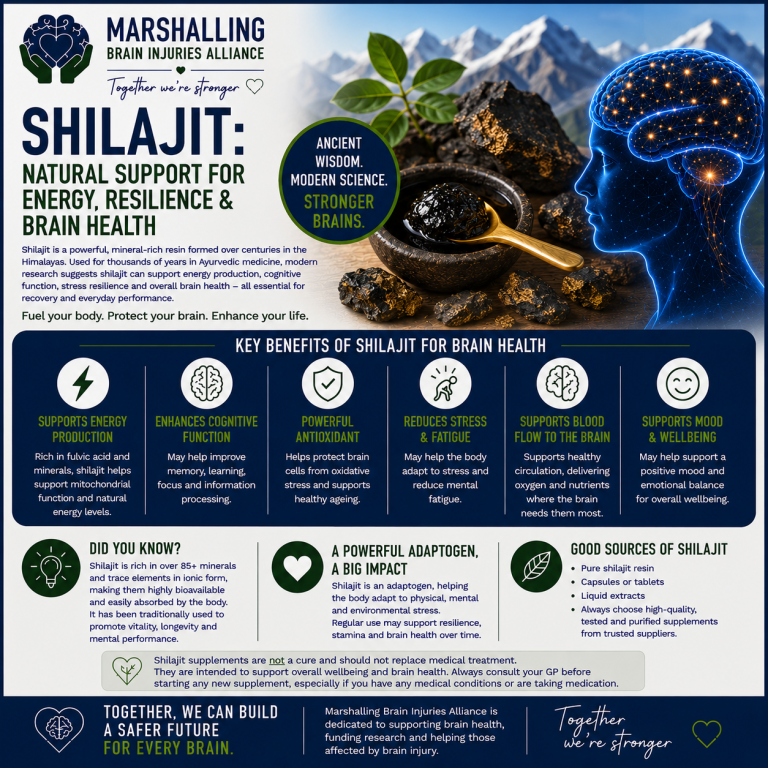
The brain is one of the most energy-demanding organs in the body. Shilajit has been shown to support mitochondrial function, which helps brain cells produce energy more efficiently. Healthy energy metabolism is essential for focus, memory, and cognitive performance.
Antioxidant and Neuroprotective Properties
Oxidative stress plays a major role in brain aging and neurodegeneration. Fulvic acid in Shilajit acts as a powerful antioxidant, helping neutralize free radicals and protect neurons from oxidative damage.
Supports Cognitive Function and Memory
Traditional use and emerging research suggest Shilajit may support learning, memory, and mental clarity by enhancing cellular communication and protecting brain tissue from age-related decline.
Shilajit and Traumatic Brain Injury (TBI)
Traumatic brain injury triggers a cascade of oxidative stress, inflammation, and impaired energy production in brain cells. These processes can contribute to long-term cognitive, emotional, and neurological symptoms.
Shilajit may support recovery after TBI by:
- Reducing oxidative stress that damages neurons
- Supporting cellular energy production, which is critical for healing
- Helping regulate inflammation associated with secondary brain injury
While Shilajit is not a treatment for TBI, its antioxidant and mitochondrial-supporting properties make it a promising complementary option for long-term brain health support under medical supervision.
CTE is a progressive neurodegenerative condition linked to repeated head trauma, commonly affecting athletes and military personnel. It is associated with chronic inflammation, oxidative damage, and abnormal protein accumulation in the brain.
Fulvic acid has drawn scientific interest for its potential interaction with abnormal tau protein aggregation, a hallmark of CTE and other neurodegenerative disorders. Although human clinical research is still limited, early findings suggest Shilajit may help support brain health by:
- Reducing oxidative and inflammatory stress
- Supporting neuronal resilience
- Promoting long-term cognitive support
- Additional Benefits for Neurological Wellness
Beyond brain health, Shilajit may also:
- Support stress resilience and mood balance
- Promote nutrient absorption and mineral balance
- Support overall vitality and endurance
These benefits can be particularly valuable for individuals managing the physical and mental challenges associated with brain injury recovery.
Shilajit and CTE
How to Take Shilajit
Shilajit supplements are available in several forms:
- Resin – traditional and highly concentrated
- Capsules or tablets – convenient and standardized
- Powders – often combined with other nootropic ingredients
Typical doses range from 250–1000 mg per day of purified Shilajit extract, depending on fulvic acid content. Always follow product guidelines and consult a healthcare professional, especially after brain injury.
Safety and Quality Considerations
Only purified, laboratory-tested Shilajit should be used, as raw Shilajit may contain heavy metals or contaminants. When sourced responsibly, Shilajit is generally well tolerated. Individuals who are pregnant, breastfeeding, or managing chronic medical conditions should consult a healthcare provider before use.
Study https://lifespa.com/health-topics/energy/fight-fatigue-brain-fog-with-shilajit/