Benefits for brain health effective against TBI outcomes by modulating the molecular signalling pathways involved in oxidative stress, inflammation, apoptosis, and autophagy
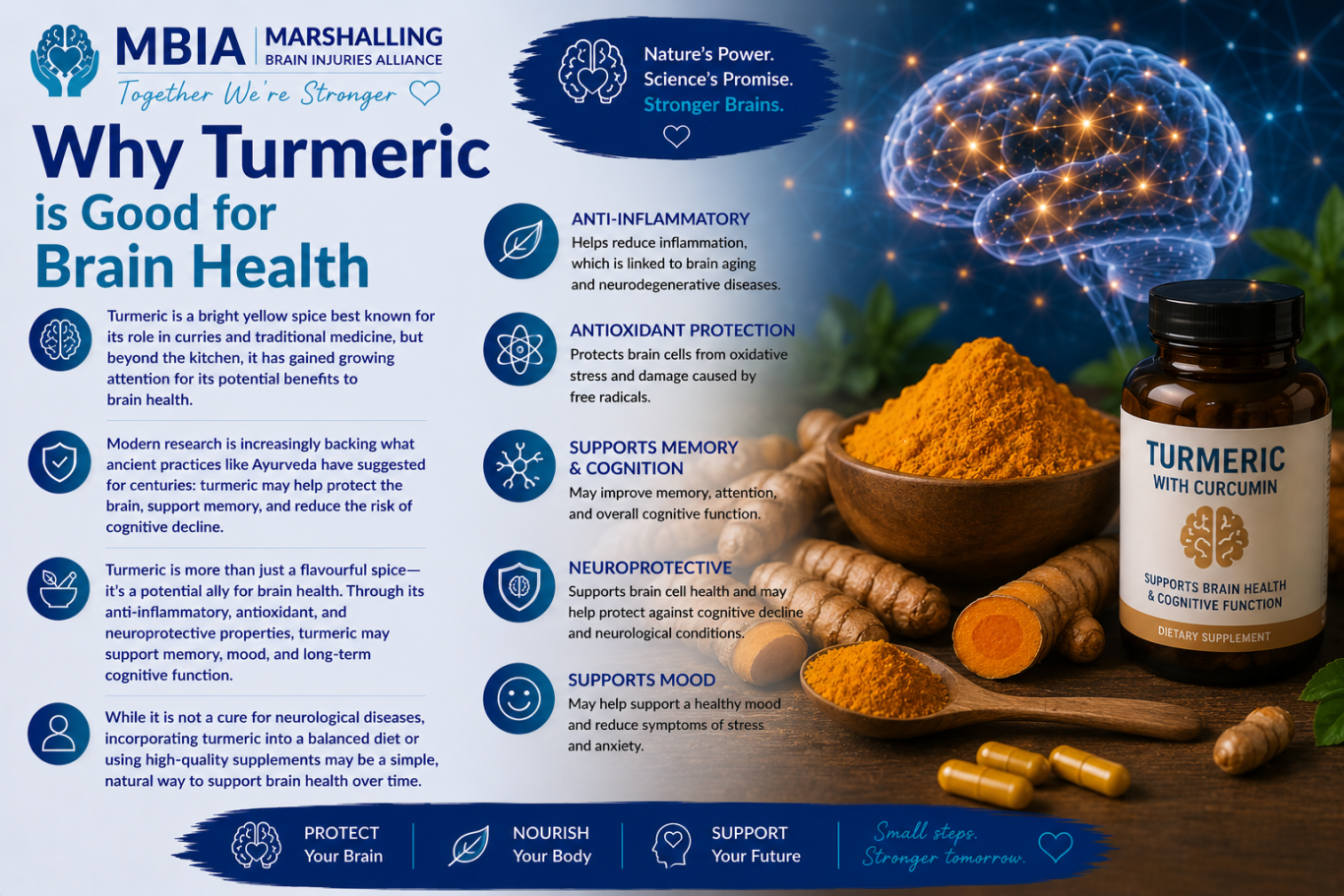
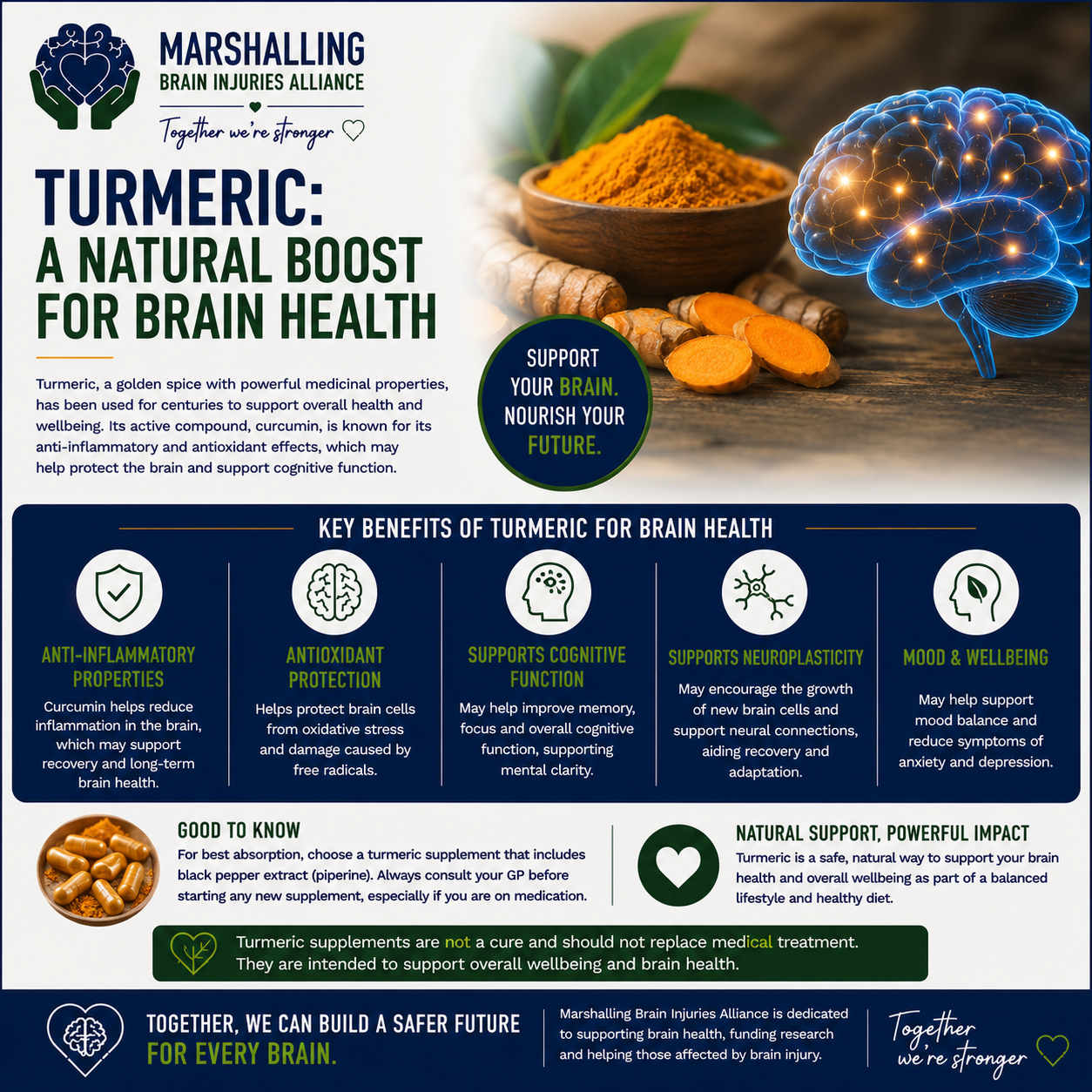
- Reduces Inflammation & Oxidative Stress: Curcumin targets key pathways, reducing damaging free radicals and inflammation in the brain, which are linked to cognitive decline and diseases.
- Fights Alzheimer's Pathology: It helps reduce amyloid-beta plaques and tau protein tangles, hallmarks of Alzheimer's, and may increase neuronal survival.
- Boosts Brain Growth: Curcumin may increase levels of BDNF, a crucial protein for memory, learning, and neuron growth, potentially reversing age-related decline.
- Supports Gut-Brain Axis: It can positively influence the gut-brain connection, potentially reduces anxiety and improving mood
The Power of Curcumin
The primary active compound in turmeric is curcumin, a powerful antioxidant and anti-inflammatory agent. Curcumin is responsible for most of turmeric’s health benefits, particularly those related to the brain.
One of the brain’s biggest enemies is chronic inflammation, which has been linked to conditions such as Alzheimer’s disease, Parkinson’s disease, and depression. Curcumin helps counter this by reducing inflammatory markers in the body and brain, potentially slowing processes that contribute to neurodegeneration.
May Help Reduce the Risk of Alzheimer’s Disease
Antioxidant Protection for Brain Cells
Alzheimer’s disease is characterized by the build-up of amyloid plaques in the brain. Curcumin has been shown in laboratory studies to cross the blood-brain barrier and help reduce the accumulation of these plaques. While more large-scale human studies are still needed, early findings suggest turmeric could play a supportive role in protecting against cognitive decline.
The brain is especially vulnerable to oxidative stress, which occurs when free radicals damage cells over time. Curcumin is a strong antioxidant that neutralizes these free radicals and also boosts the body’s own antioxidant defences. This dual action may help protect neurons from damage and support long-term brain health.
Supports Memory and Cognitive Function
Several studies suggest that curcumin may improve memory and attention, particularly in older adults. Researchers believe this effect is partly due to curcumin’s ability to increase levels of brain-derived neurotrophic factor (BDNF). BDNF is a growth hormone that supports the survival of existing neurons and encourages the formation of new ones—both essential for learning and memory.
Low BDNF levels have been linked to Alzheimer’s disease and depression, making curcumin’s impact especially promising.
Potential Mood-Boosting Effects
Turmeric may also benefit mental health. Research indicates that curcumin can influence neurotransmitters such as serotonin and dopamine, which regulate mood. Some studies have found curcumin to be nearly as effective as certain antidepressants when used alongside standard treatments, with fewer side effects.
Improving Absorption for Maximum Benefit
One challenge with curcumin is that it is poorly absorbed by the body on its own. Combining turmeric with black pepper, which contains piperine, can increase curcumin absorption by up to 2,000%. Consuming turmeric with healthy fats, such as olive oil or avocado, can also improve its bioavailability.
Possible side effects
- May lead to digestive issues.
- May cause blood thinning.
- May influence PMS symptoms.
- May influence kidneys.
- May contain gluten.
- May cause headaches and nausea.
- May interact with some medications.
Study https://jneuroinflammation.biomedcentral.com/articles/10.1186/1742-2094-11-59