What Is Vitamin C?
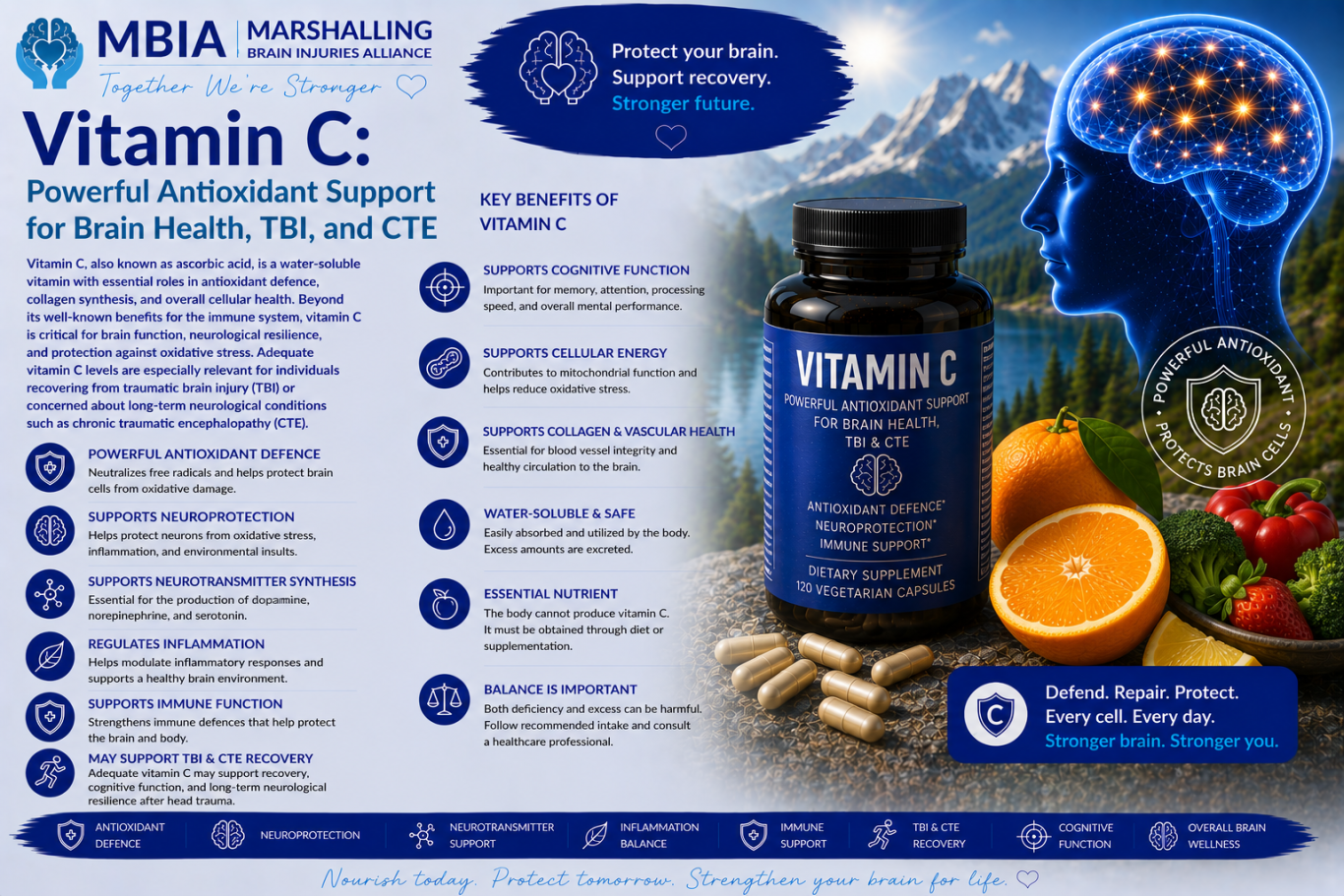
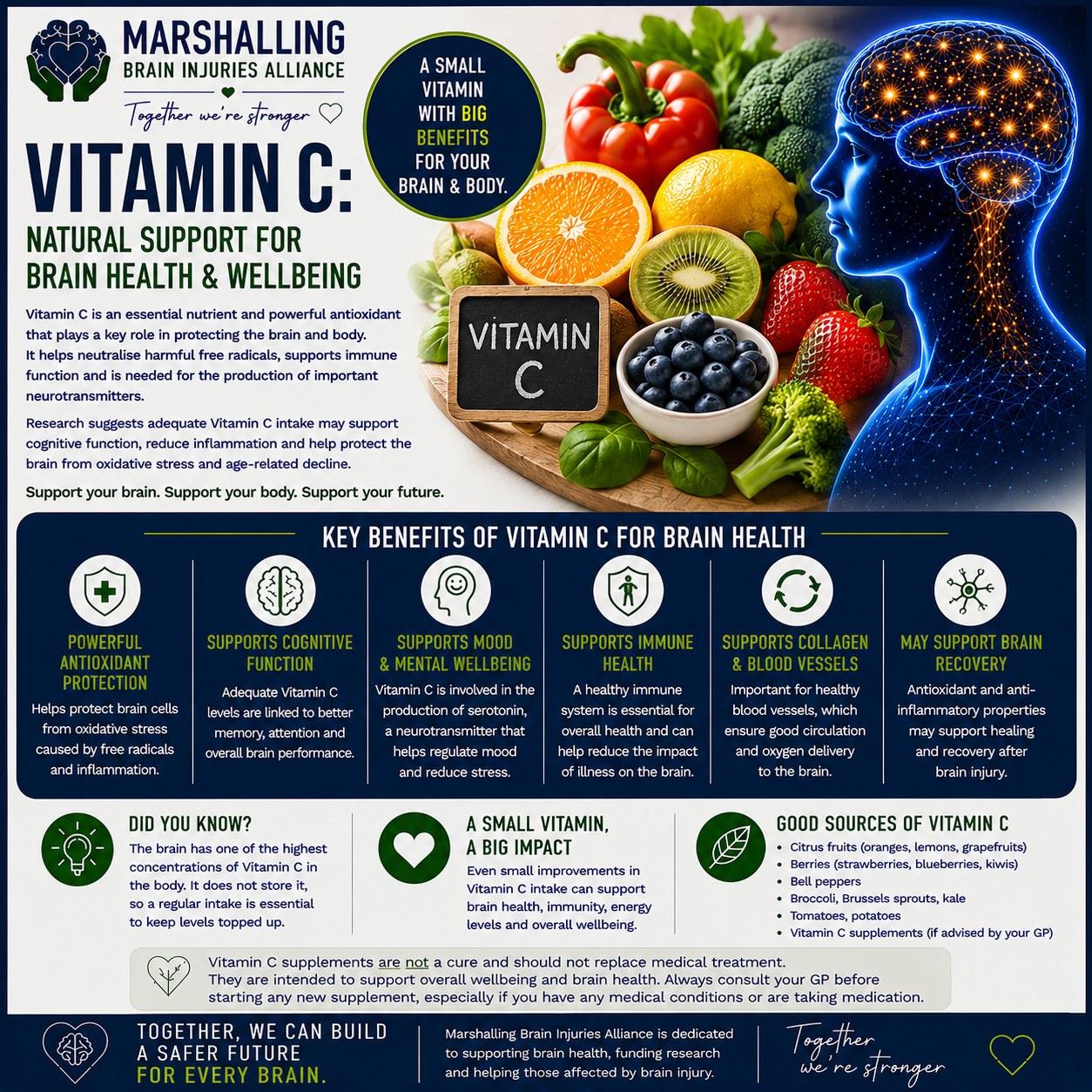
Vitamin C is an essential nutrient, meaning it must be obtained through diet or supplementation. It acts as a powerful antioxidant, neutralizing free radicals, and supporting the body’s defence against oxidative stress. Vitamin C is concentrated in brain tissue, highlighting its importance in neurological function and cognitive health.
How Vitamin C Supports Brain Health
Antioxidant Protection
The brain is highly susceptible to oxidative stress due to its high oxygen consumption and lipid-rich structure. Vitamin C protects neurons from free radical damage and supports overall brain integrity.
Supports Neurotransmitter Synthesis
Vitamin C is essential for the synthesis of neurotransmitters such as dopamine, norepinephrine, and serotonin, which influence mood, focus, and cognitive performance.
Supports Cognitive Function
By protecting neurons from oxidative damage and supporting neurotransmitter production, vitamin C contributes to memory, learning, attention, and overall mental clarity.
Supports Neuroinflammation Regulation
Vitamin C helps modulate inflammatory processes in the brain. Chronic neuroinflammation is a key factor in TBI-related cognitive decline and in progressive conditions such as CTE.
Vitamin C and Traumatic Brain Injury (TBI)
TBI triggers a cascade of oxidative stress, inflammation, and neuronal damage. Research suggests that adequate vitamin C may help:
- Reduce oxidative stress in brain tissue
- Support neuronal protection and recovery
- Support neurotransmitter balance and cognitive function
While vitamin C is not a treatment for TBI, maintaining optimal levels may aid in neurological resilience and recovery.
Vitamin C and CTE
CTE is characterized by chronic inflammation, oxidative stress, and neurodegeneration resulting from repeated head trauma. As a potent antioxidant, vitamin C may help:
- Protect neurons from oxidative damage
- Support cognitive function and memory
- Complement long-term brain health strategies
Although research specific to CTE is limited, antioxidant support is considered a key aspect of neurological wellness.
Dietary Sources and Supplementation
Vitamin C can be obtained from:
- Citrus fruits (oranges, grapefruits, lemons)
- Berries (strawberries, blueberries)
- Kiwi, papaya, pineapple
- Bell peppers, broccoli, spinach
Supplementation:
Common doses: 250–1,000 mg per day
Water-soluble, so excess is generally excreted in urine
Higher doses may be used temporarily under medical supervision
Vitamin C is generally safe at recommended doses. Very high intakes may cause gastrointestinal discomfort or diarrhoea. Individuals with kidney disorders or a history of kidney stones should consult a healthcare professional before high-dose supplementation.