The Three Stages Of Recovery
Although everyone's experience is unique, many people move through three broad stages:
- Acute Recovery
- Rehabilitation & Adjustment
- Long-Term Adaptation
These stages often overlap and may not occur in a neat order.
Stage 1: Acute Recovery
Hours, Days and Weeks After Injury
This is the period immediately following the injury.
The brain is responding to trauma and beginning the healing process.
Common symptoms may include:
- Headaches
- Dizziness
- Nausea
- Fatigue
- Confusion
- Memory problems
- Sleep difficulties
- Sensitivity to light and noise
Many people feel frightened or uncertain during this stage.
For some, symptoms begin improving relatively quickly.
For others, recovery is slower.
What Helps During This Stage?
- Medical assessment when appropriate
- Rest and recovery
- Following medical advice
- Gradual return to activity
- Avoiding further head injuries
Patience is often one of the most important tools during this phase.
Stage 2: Rehabilitation & Adjustment
Weeks to Months
As the initial injury begins to heal, many people enter a period of rehabilitation and adjustment.
This is often when the reality of the injury becomes clearer.
Some symptoms may improve while others remain.
People may begin noticing:
- Fatigue
- Memory difficulties
- Brain fog
- Emotional changes
- Sleep problems
- Sensory overload
- Challenges at work or school
This stage can be emotionally difficult because people often expect to be "back to normal" by now.
The Emotional Impact
Many people experience:
- Frustration
- Anxiety
- Grief
- Anger
- Sadness
- Fear about the future
These feelings are common and understandable.
You are adapting to a major life event.
Rehabilitation
Depending on the injury, support may include:
- Physiotherapy
- Occupational therapy
- Speech and language therapy
- Neuropsychology
- Counselling
- Peer support groups
Rehabilitation is not just about physical recovery.
It is also about rebuilding confidence, skills, and quality of life.
Stage 3: Long-Term Adaptation
Months to Years
Many people eventually reach a stage where recovery becomes less about healing and more about adapting.
This does not mean improvement stops.
Far from it.
Many people continue making meaningful gains years after their injury.
However, the focus often shifts towards:
- Understanding symptoms
- Building routines
- Managing fatigue
- Developing coping strategies
- Improving quality of life
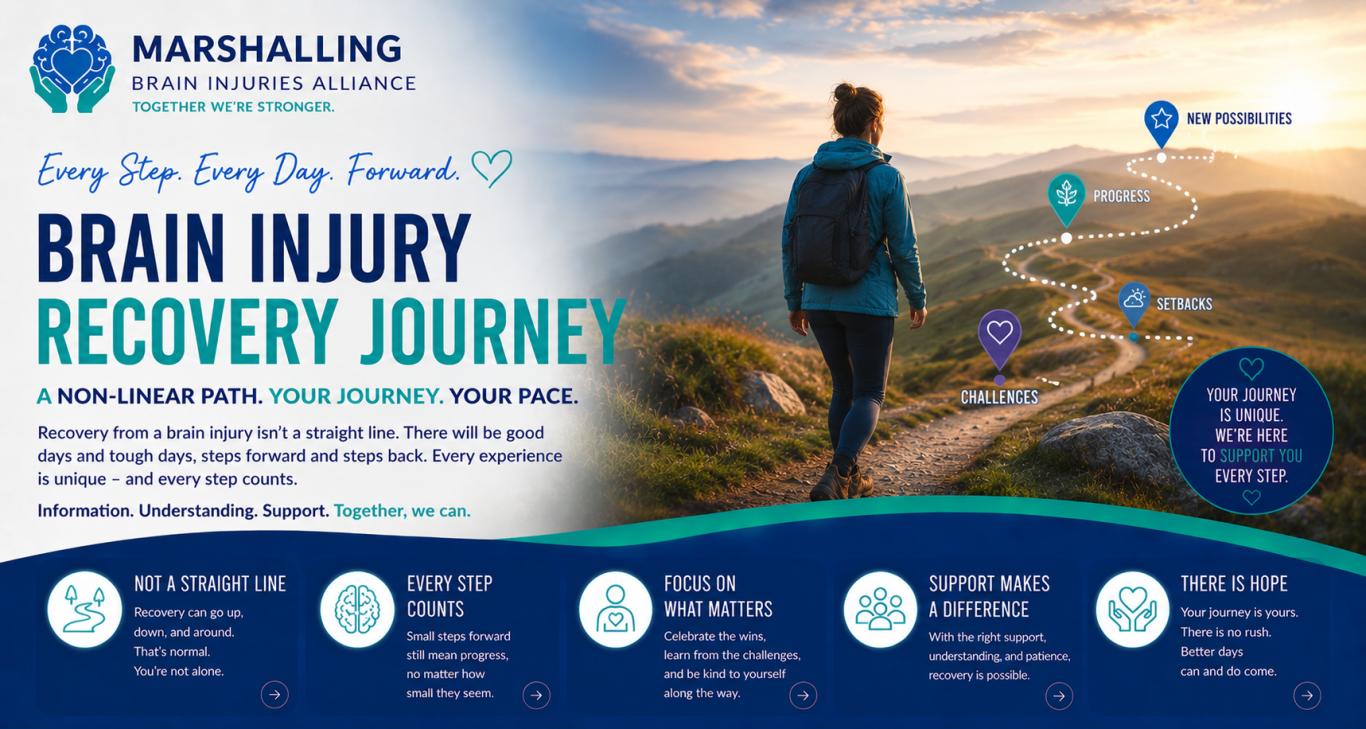
Recovery Is Not Linear
What Adaptation Really Means
One of the biggest misconceptions about brain injury recovery is that symptoms improve steadily over time.
Many people expect recovery to look like this:
📈 Upwards progress every day.
In reality, recovery often looks more like this:
📈📉📈📉📈
Good days.
Bad days.
Progress.
Setbacks.
Periods where nothing seems to change.
Then suddenly, improvement.
This is normal.
Experiencing setbacks does not mean you are going backwards.
Adaptation is not giving up.
It is learning how to live well with the brain you have today.
This may involve:
- Pacing activities
- Using memory aids
- Adjusting expectations
- Seeking support
- Prioritising wellbeing
Many people find that adaptation gives them back a sense of control.
Why Recovery Timelines Vary
Several factors influence recovery.
These include:
- Type of injury
- Severity of injury
- Age
- Overall health
- Sleep quality
- Mental health
- Access to rehabilitation
- Social support
- Previous brain injuries
This is why comparing your recovery to someone else's is rarely helpful.
Common Challenges Along the Way
Many people experience:
Fatigue
One of the most common long-term symptoms.
Frustration
Recovery often takes longer than expected.
Loss of Confidence
Many people question their abilities after injury.
Relationship Difficulties
Brain injuries affect entire families.
Grief and Loss
It is common to grieve changes in health, independence, and identity.
Isolation
Many people feel misunderstood because symptoms are often invisible.
The Role of Neuroplasticity
One of the most encouraging aspects of brain recovery is neuroplasticity.
Neuroplasticity is the brain's ability to adapt, reorganise, and create new connections.
This is one reason why improvement can continue long after the injury itself.
The brain is capable of learning, adapting, and changing throughout life.
Why Symptoms Fluctuate
One of the most confusing aspects of recovery is symptom fluctuation.
You may have a good day and feel hopeful.
Then suddenly experience a difficult day and wonder what went wrong.
Symptoms often worsen due to:
- Fatigue
- Stress
- Poor sleep
- Illness
- Pain
- Sensory overload
- Doing too much
This does not mean recovery has stopped.
It is often simply the brain signalling that it needs more support.
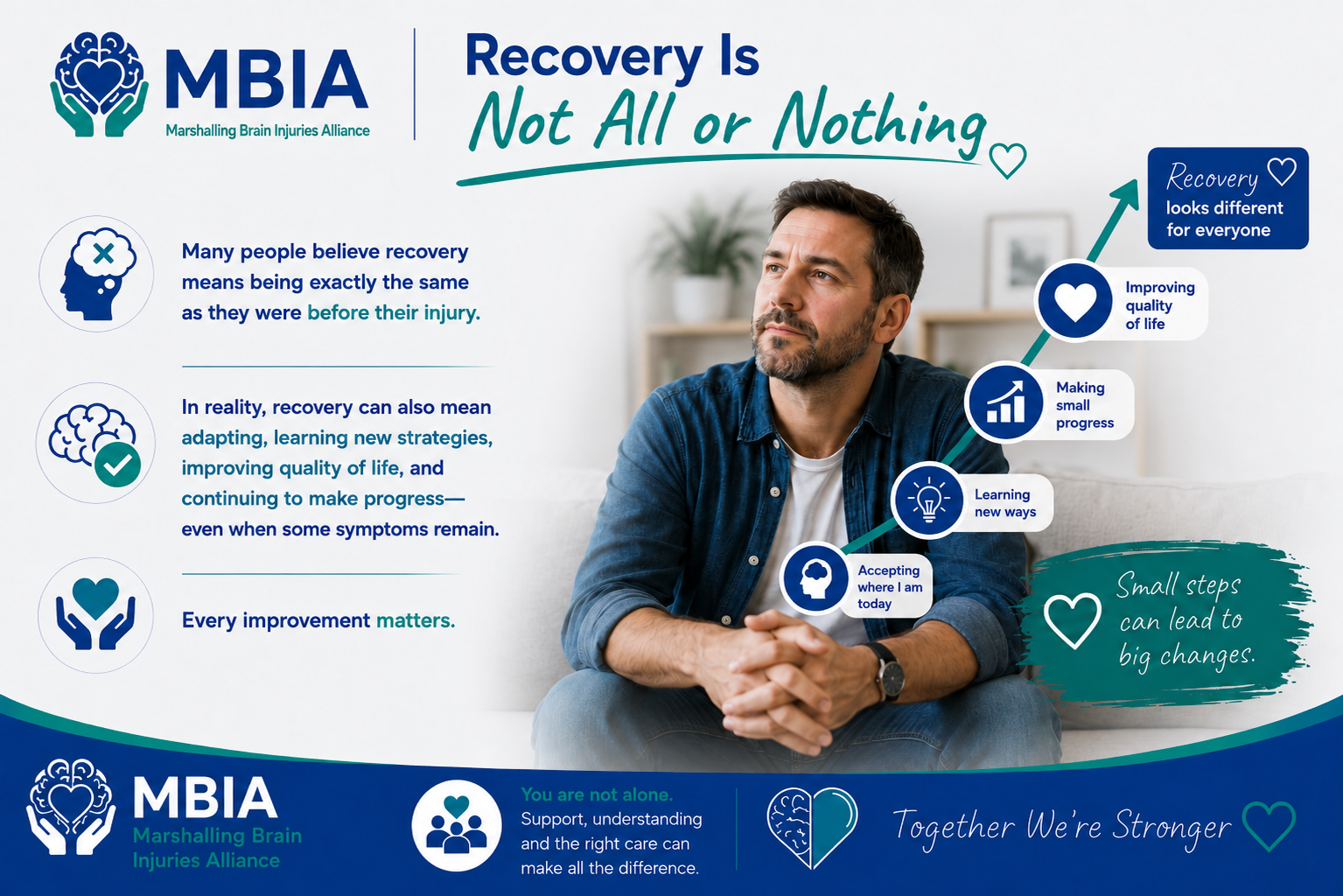
Success Doesn't Always Mean Returning to Who You Were
Many people begin recovery with one goal:
"I just want my old life back."
While some people make a full recovery, others find that recovery involves creating a new version of life.
This can be difficult to accept at first.
However, many people eventually discover:
- New strengths
- New priorities
- New goals
- New ways of finding purpose
Life may look different, but it can still be meaningful and fulfilling.
What Patients Often Say
People further along in their recovery journey often say:
"Be patient with yourself."
"Recovery takes longer than you think."
"Don't compare yourself to others."
"Celebrate small wins."
"Progress is still progress."
"There is hope, even on difficult days."
A Message Of Hope
Recovery from a brain injury is rarely straightforward.
There may be setbacks.
There may be frustrations.
There may be days when progress feels impossible to see.
But many people continue to improve months and even years after their injury.
The journey is not always about returning to the person you were before.
Sometimes it is about discovering who you can become now.
Your recovery journey is your own.
And wherever you are on that journey today, there is reason to keep moving forward.
Key Takeaways
- Brain injury recovery is different for everyone.
- Recovery is rarely linear and often includes setbacks.
- Many people move through stages of acute recovery, rehabilitation, and long-term adaptation.
- Emotional challenges are a normal part of recovery.
- Symptoms often fluctuate depending on fatigue, sleep, stress, and other factors.
- Neuroplasticity allows the brain to continue adapting and improving over time.
- Progress may continue long after the injury occurred.
- Recovery is about more than healing—it is also about adaptation, resilience, and hope.
Continue Exploring
Together We're Stronger