Brain Injury, Depression and Suicide: Is It "Just Mental Health" or Is It Part of the Injury?
Medical disclaimer: This article is intended for educational purposes only and should not be used as a substitute for professional medical advice. Treatment decisions—including whether to start, stop or change antidepressants, antipsychotics or any other medication—should always be made in consultation with a qualified healthcare professional who is familiar with your individual medical history and brain injury.
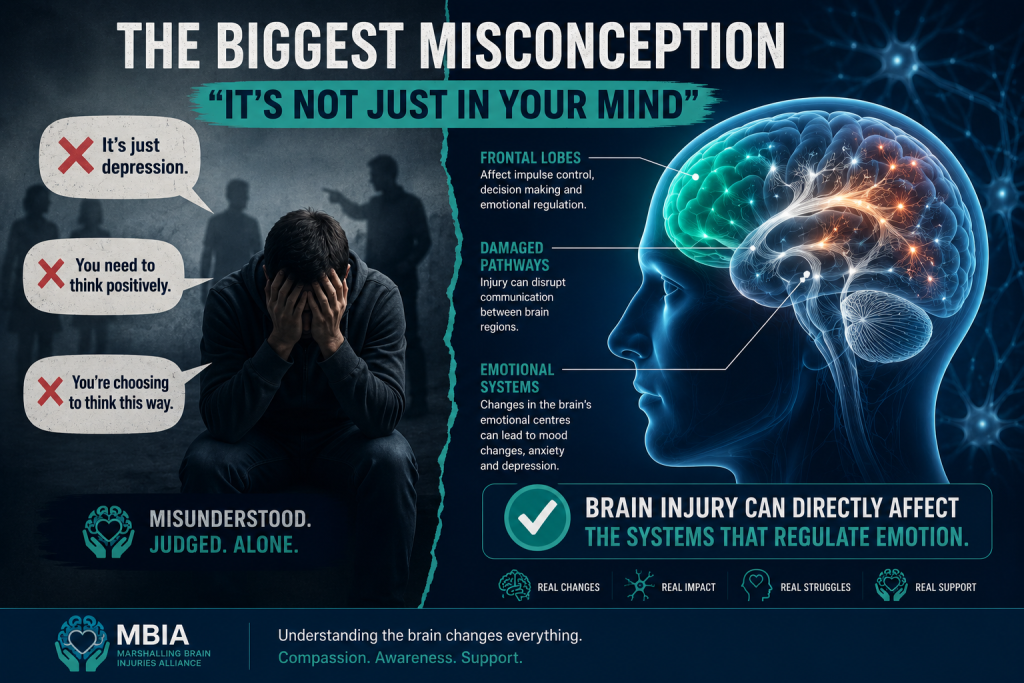
One of the most common—and most damaging—misconceptions about brain injury is the belief that changes in mood are simply psychological reactions to what has happened.
Many people living with a brain injury or suspected CTE hear comments like:
- "You're just depressed."
- "You're anxious because your life changed."
- "You need to think more positively."
- "Everyone would feel like that after what you've been through."
There is some truth in these statements. Experiencing a brain injury can be life-changing. People may lose their career, their independence, their hobbies, their ability to play sport, or even aspects of their identity. Grieving these losses is entirely normal, and it's understandable that many people experience depression or anxiety as a result.
However, this is only part of the picture.
Modern neuroscience has shown that a brain injury can directly affect the parts of the brain responsible for regulating emotions, motivation, decision-making and behaviour. In other words, depression, anxiety and emotional instability are not always just emotional reactions to difficult circumstances—they can also be symptoms of an injured brain.
The brain is the organ that creates our thoughts, memories, emotions and personality. When it is injured, the networks that normally help regulate mood can become disrupted. Damage to areas such as the frontal lobes and limbic system, changes in the brain's chemical messengers, ongoing inflammation, and disruption to the connections between brain cells can all contribute to changes in how a person thinks and feels.
This distinction matters.
If someone develops depression after a heart attack, we recognise that the illness and the body's biological changes may contribute to their mental health. Brain injury deserves the same understanding. When the injury affects the very organ responsible for emotion, it should not be surprising that mood can change too.
This doesn't mean that every person with a brain injury will develop depression or anxiety, nor does it mean that psychological factors aren't important. Life experiences, coping strategies, relationships and social support all play significant roles in recovery. In reality, most people's experiences are likely to involve a combination of biological, psychological and social factors.
Recognising that depression and anxiety after brain injury may have a neurological basis is not about taking away hope or suggesting that recovery isn't possible. Quite the opposite. It helps move the conversation away from blame and towards understanding. Rather than asking, "Why can't you just snap out of it?", we can begin asking, "How has the injury changed your brain, and what support might help?"
For many people living with brain injury or CTE, that shift in understanding can be life-changing. It replaces judgement with compassion and reminds us that mental health symptoms after brain injury are every bit as real as headaches, dizziness or memory problems.
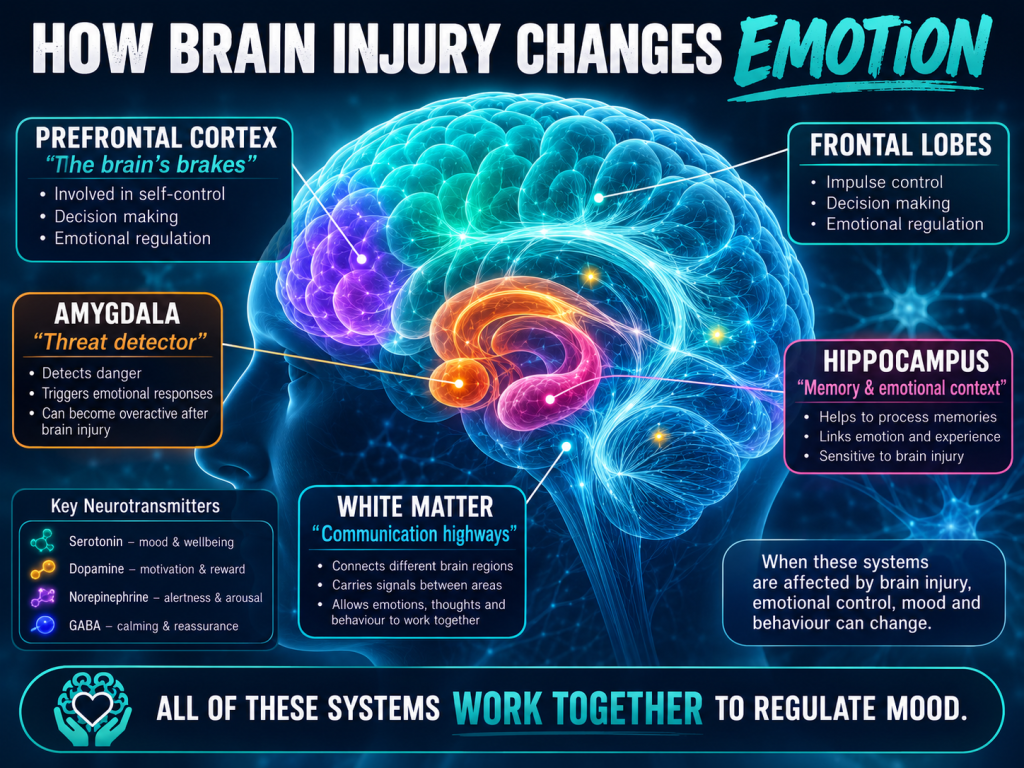
To understand why depression, anxiety and emotional changes are so common after a brain injury, it helps to know a little about how the brain normally regulates our emotions.
Our emotions don't come from a single "happy centre" or "sad centre." Instead, they are created by a complex network of different brain regions constantly communicating with one another. These areas process what we see and hear, interpret situations, remember past experiences, assess potential threats, control our reactions and help us regulate our emotions.
A brain injury—whether caused by a concussion, repeated head impacts, stroke or another form of acquired brain injury—can disrupt this network in many different ways. Depending on which parts of the brain are affected, the result can be changes in mood, personality, motivation and emotional control.
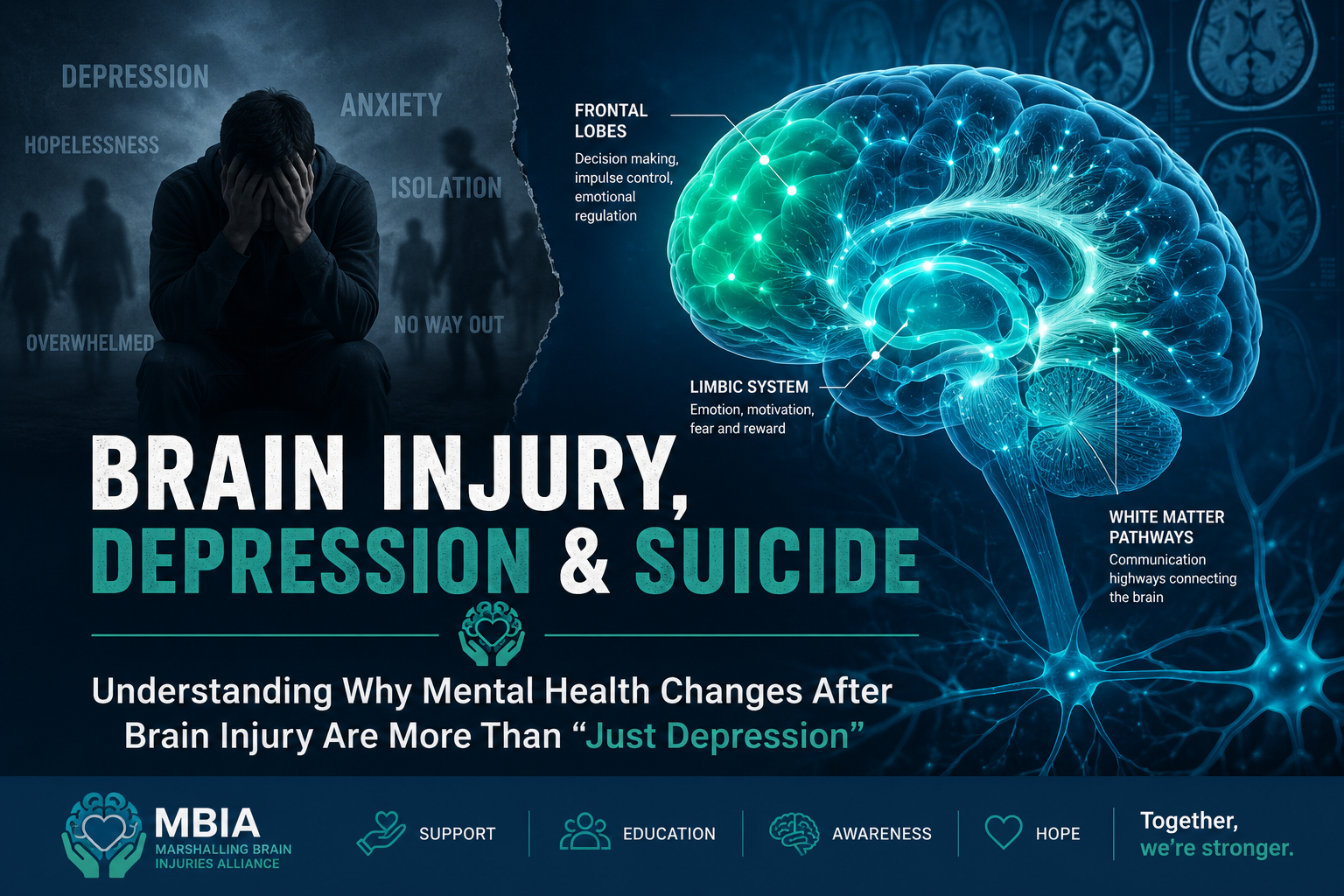
The Frontal Lobes – The Brain's Control Centre
The frontal lobes sit behind your forehead and are among the most important parts of the brain for regulating behaviour and emotions. They help us to:
- Plan and organise our thoughts.
- Control impulses.
- Solve problems.
- Make sensible decisions.
- Understand social situations.
- Regulate emotional responses.
- Stay motivated and focused.
Think of the frontal lobes as the brain's "chief executive officer." They don't stop us from feeling emotions, but they help us manage them appropriately.
After a brain injury, this control system may become less efficient. People often describe feeling as though their emotions have become much harder to control. They may cry unexpectedly, become frustrated over small problems, lose motivation, or react far more intensely than they used to.
This isn't because they are weak or "not trying hard enough." The part of the brain responsible for regulating those emotions may simply not be working as efficiently as it once did.
The Prefrontal Cortex – Applying the Brakes
The prefrontal cortex is the front-most part of the frontal lobes and plays a particularly important role in emotional regulation.
One of its key jobs is applying the "brakes" to our emotional responses.
Imagine someone cuts you up in traffic. Your first emotional reaction may be anger. A healthy prefrontal cortex quickly evaluates the situation and says:
"Take a breath. It isn't worth reacting."
When this area is injured, those emotional brakes may become weaker. Thoughts can spiral more quickly, frustration may build faster, and it can become much harder to calm yourself once emotions take over.
Many people describe feeling trapped inside emotions they know are irrational but cannot switch off.
The Limbic System – The Emotional Network
Deep inside the brain lies a collection of structures known as the limbic system. This network acts as the brain's emotional processing centre.
It helps regulate:
- Fear
- Happiness
- Motivation
- Emotional memories
- Stress responses
- Reward
- Social bonding
The limbic system works continuously alongside the frontal lobes to help us respond appropriately to everyday situations.
When communication between these systems is disrupted by brain injury, emotions can become unpredictable. Some people become emotionally numb, while others experience overwhelming sadness, anxiety or sudden mood swings.
The Amygdala – The Brain's Threat Detector
Within the limbic system sits a small almond-shaped structure called the amygdala.
Its job is to constantly scan the environment for danger.
In healthy circumstances this keeps us safe. If a car suddenly swerves towards us, the amygdala reacts instantly before we've even consciously thought about the situation.
However, after brain injury, the amygdala may become overactive.
Instead of responding only to genuine danger, it may begin reacting to situations that aren't actually threatening.
This can lead to:
- Persistent anxiety
- Panic attacks
- Hypervigilance
- Feeling constantly on edge
- Irritability
- Difficulty relaxing
Many people describe feeling as though their brain is permanently "stuck in survival mode."
The Hippocampus – Memory and Emotional Context
The hippocampus is another important part of the limbic system. It helps us form new memories and place experiences into context.
It also works closely with the amygdala to help distinguish between real threats and safe situations.
Brain injury can affect the hippocampus directly or indirectly through inflammation and chronic stress.
This may contribute to:
- Memory difficulties
- Difficulty learning new information
- Increased stress responses
- Problems processing emotional experiences
When memory and emotional processing are disrupted together, anxiety and depression can become even more challenging.
The Brain's Chemical Messengers
Brain cells communicate using chemicals known as neurotransmitters. These act like tiny messengers, carrying signals from one nerve cell to another.
Three of the most important neurotransmitters involved in mood regulation are serotonin, dopamine and noradrenaline.
Serotonin
Serotonin helps regulate mood, sleep, appetite and emotional stability.
Following brain injury, serotonin signalling may become disrupted.
Lower serotonin activity has been associated with symptoms such as:
- Depression
- Anxiety
- Sleep disturbances
- Irritability
- Increased emotional sensitivity
This is one reason why medications called selective serotonin reuptake inhibitors (SSRIs) are sometimes prescribed after brain injury, although—as we'll discuss later in this article—their effectiveness appears to vary from person to person.
Dopamine
Dopamine is often described as the brain's "motivation" or "reward" chemical, but its role is much broader.
It helps regulate:
- Motivation
- Pleasure
- Concentration
- Movement
- Decision-making
- Learning
Damage to dopamine pathways may leave people feeling emotionally flat, unmotivated or unable to experience enjoyment in activities they once loved.
This lack of motivation isn't laziness—it can be a direct consequence of changes within the brain's reward system.
Noradrenaline
Noradrenaline (also called norepinephrine) helps regulate:
- Alertness
- Attention
- Stress responses
- Energy levels
- Concentration
When these pathways become disrupted after brain injury, people may experience:
- Poor concentration
- Fatigue
- Increased anxiety
- Difficulty coping with stress
- Feeling mentally overwhelmed
Inflammation – When the Brain's Immune System Stays Active
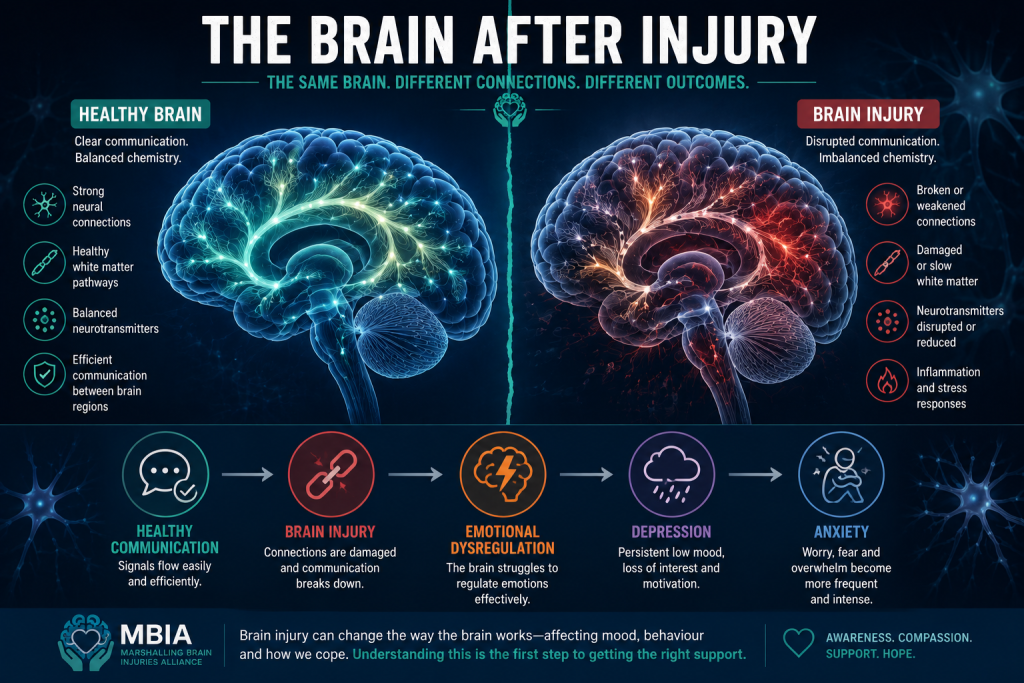
After a brain injury, the brain's immune cells become activated to help repair damaged tissue.
This inflammatory response is an essential part of healing.
However, in some people—particularly following repeated head injuries or more severe trauma—low-grade inflammation may continue for months or even years.
Researchers increasingly believe that chronic neuroinflammation may contribute to:
- Depression
- Anxiety
- Fatigue
- Brain fog
- Cognitive slowing
- Emotional instability
Inflammation may also interfere with how neurotransmitters function, creating a cycle in which biological changes continue to influence mood long after the original injury has occurred.
White Matter Connections – When the Brain's Communication Network Is Disrupted
Perhaps the easiest way to imagine the brain is as a vast city.
The different brain regions are like individual neighbourhoods, while white matter forms the roads and motorways connecting them.
These white matter pathways allow information to travel rapidly between different parts of the brain.
Traumatic brain injury often damages these delicate nerve fibres through stretching and shearing forces, a process known as diffuse axonal injury.
Even if individual brain regions remain relatively healthy, damage to these communication pathways means they can no longer work together as efficiently.
It's a little like having every department in a company functioning perfectly, but all the phone lines between them have been cut.
The result can be slower thinking, reduced emotional control, poor concentration and greater difficulty managing stress.
A Complex Network, Not a Character Flaw
Importantly, these systems do not work in isolation. The frontal lobes constantly communicate with the limbic system. Neurotransmitters influence every part of these networks. White matter pathways carry information between them, while inflammation can affect them all.
When brain injury disrupts several of these systems at once, the result can be depression, anxiety, emotional instability, irritability, apathy or even suicidal thoughts.
This is why many people living with brain injury describe a heartbreaking experience: they want to feel better. They know their reactions seem different from before. They desperately try to stay positive, calm themselves down or "snap out of it"—yet their brain simply isn't regulating emotions in the same way it once did.
Understanding these biological changes doesn't mean recovery isn't possible. Thanks to neuroplasticity—the brain's remarkable ability to adapt and reorganise—many people can improve over time with the right combination of rehabilitation, psychological support, medication when appropriate, healthy lifestyle changes and compassionate understanding.
The first step is recognising that these emotional changes are not a sign of weakness. They are often one of the many invisible consequences of an injured brain.
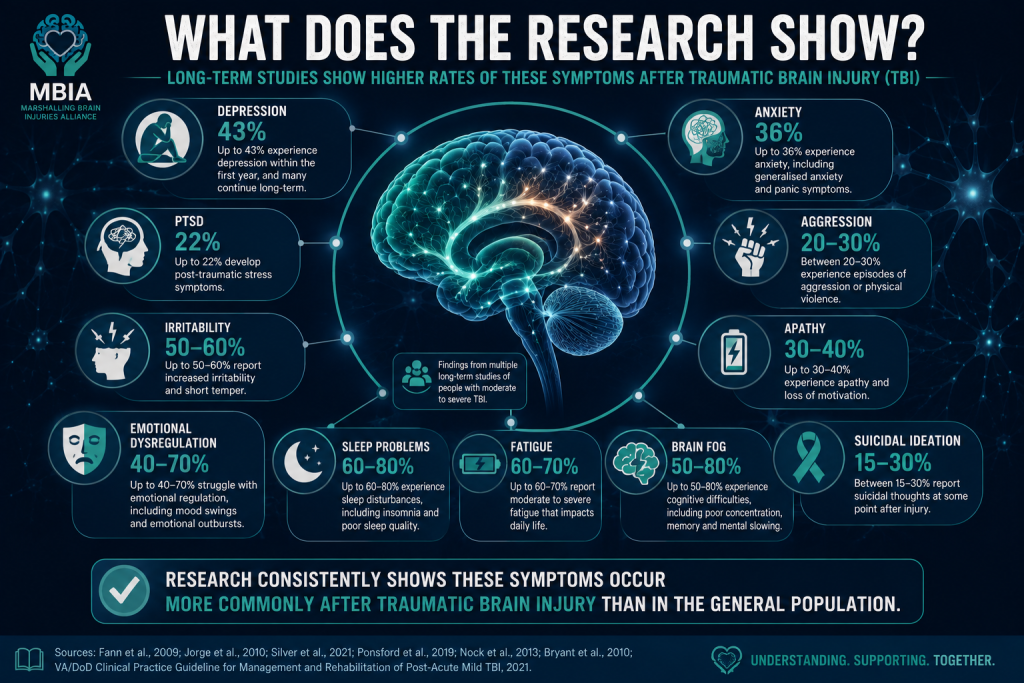
Over the past two decades, researchers have consistently found that mental health difficulties are significantly more common after a traumatic brain injury (TBI) than in the general population. While not everyone who experiences a brain injury will develop these problems, studies show that the risk is substantially increased, even years after the original injury.
Importantly, these changes are not limited to severe brain injuries. Persistent emotional and psychological symptoms have also been reported following mild traumatic brain injuries (concussions), particularly when symptoms persist or when someone has experienced repeated head impacts.
Researchers have identified increased rates of:
- Major depression
- Anxiety disorders
- Post-traumatic stress disorder (PTSD)
- Irritability
- Emotional dysregulation
- Aggression
- Apathy
- Suicidal thoughts (suicidal ideation)
- Suicide attempts
Together, these findings reinforce an important message: mental health symptoms after a brain injury are common, recognised medical consequences of the injury—not a sign of personal weakness or a failure to cope.
Depression and Anxiety
Depression and anxiety are among the most frequently studied psychiatric conditions following brain injury.
One of the largest systematic reviews to date analysed 34 studies involving adults with traumatic brain injury. Rather than relying on individual reports, the researchers combined the available evidence to provide an overall picture of long-term mental health outcomes.
They found that anxiety and depression remain common long after the initial injury. In fact, the prevalence increased over time, with more than half of people in the long-term follow-up experiencing at least one psychiatric disorder. Approximately 43% experienced depressive disorders and 36% experienced anxiety disorders, demonstrating that these problems often persist rather than simply resolving during the early stages of recovery.
These figures are considerably higher than those typically seen in the general population and highlight why ongoing psychological support should be considered an important part of brain injury rehabilitation.
PTSD – More Than Psychological Trauma
Post-traumatic stress disorder (PTSD) can also occur after a brain injury, particularly when the injury itself was caused by a frightening or life-threatening event such as a road traffic collision, assault, military combat or serious fall.
PTSD and brain injury can produce many similar symptoms, including:
- Poor concentration
- Sleep disturbances
- Irritability
- Emotional numbness
- Anxiety
- Memory difficulties
Because these symptoms overlap, it can sometimes be difficult for healthcare professionals to determine whether they are caused primarily by the injury, PTSD, or a combination of both.
Research involving military personnel and veterans has consistently found that PTSD is more common in those who have experienced a traumatic brain injury than in those without one, emphasising the importance of screening for both conditions rather than assuming only one is responsible for a person's symptoms.
Irritability, Aggression and Emotional Dysregulation
Many people living with brain injury describe becoming "a different person."
They may lose their temper more easily, become overwhelmed by relatively small problems, cry unexpectedly or struggle to control emotional reactions that they know seem out of proportion.
These changes are among the most distressing symptoms reported by both patients and their families.
A systematic review of behavioural disorders after traumatic brain injury identified irritability, aggression, impulsivity and emotional dysregulation as common consequences of brain injury, particularly when the frontal lobes and their connections are affected. These behavioural changes can have a profound impact on relationships, employment and quality of life, even when physical recovery appears good.
Apathy – When Motivation Disappears
One symptom that is often misunderstood is apathy.
Apathy is not the same as laziness or simply "not trying." Instead, it is a neurological symptom characterised by a marked reduction in motivation, initiative and emotional engagement.
People with apathy may want to do things but find it incredibly difficult to start tasks, make decisions or sustain effort. Family members may mistakenly interpret this as a lack of interest or unwillingness, when in reality it can reflect changes within the brain's motivation and reward systems.
Suicidal Thoughts and Suicide Risk
Perhaps the most concerning finding from the research is the increased risk of suicidal thoughts and suicidal behaviour following traumatic brain injury.
Multiple studies have found that people with TBI are more likely to experience suicidal ideation than those without a history of brain injury. This increased risk appears to result from a combination of factors, including changes within the brain itself, depression, anxiety, chronic pain, sleep problems, substance misuse, loss of independence and social isolation.
The relationship has been studied extensively in military populations because traumatic brain injuries are common among service personnel.
A systematic review involving military service members and veterans found higher rates of PTSD, depression, anxiety disorders and suicidal behaviour in those with traumatic brain injury compared with those without. More recent large-scale research involving over 850,000 U.S. Army soldiers also found that those with a history of TBI were more likely to develop mental health conditions and died by suicide sooner after deployment than those without brain injuries, particularly when TBI occurred alongside conditions such as PTSD or substance use disorders.
It is important to understand what these findings mean—and what they do not.
A brain injury does not mean someone will develop depression or become suicidal. Most people do not. However, the evidence clearly shows that brain injury increases the risk, which is why recognising early warning signs and ensuring timely access to appropriate support is so important.
The Overall Picture
When all of this research is considered together, a consistent pattern emerges.
Brain injury can affect far more than memory or concentration. It can alter the brain networks responsible for regulating mood, motivation, emotional control and behaviour. As a result, depression, anxiety, PTSD, irritability, aggression, apathy and suicidal thoughts are not uncommon complications of traumatic brain injury.
Recognising these symptoms as potential consequences of an injured brain helps reduce stigma, encourages earlier treatment and reminds people living with brain injury that they are not alone. Perhaps most importantly, it shifts the conversation away from blame and towards understanding, compassion and evidence-based care.
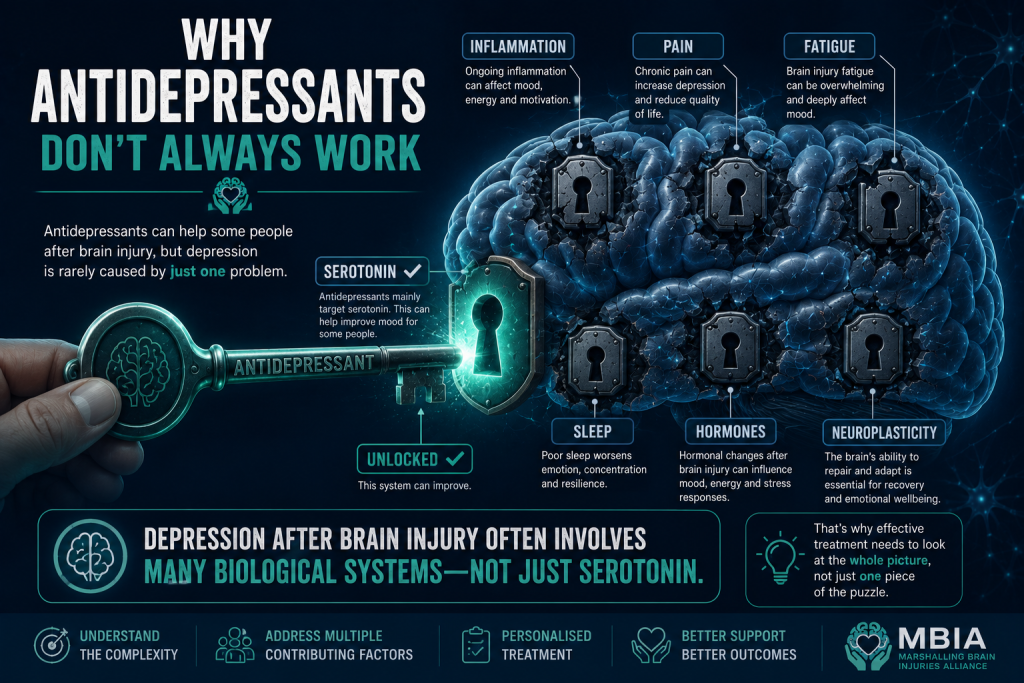
For many people living with a brain injury, one of the most frustrating experiences is finally asking for help, being prescribed an antidepressant, taking it exactly as directed... and then finding that it doesn't seem to make much difference.
Others find that it helps a little, but not enough.
Some experience unpleasant side effects that outweigh any benefits.
And some find that the first medication doesn't work at all, but a different one does.
So why are the results so variable?
The simple answer is that depression after a brain injury is often biologically different from depression in someone without a brain injury.
How SSRIs Were Originally Developed
The most commonly prescribed antidepressants are a group of medications called Selective Serotonin Reuptake Inhibitors (SSRIs). These include medicines such as sertraline, citalopram, escitalopram and fluoxetine.
SSRIs work by increasing the availability of serotonin, one of the brain's chemical messengers involved in regulating mood, anxiety, sleep and emotional wellbeing.
For many people with depression in the general population, SSRIs can be very effective. Large clinical trials have shown that they help many people recover from major depressive disorder, although they are not effective for everyone.
The important point is this:
These medications were primarily developed and tested in people whose depression was not caused by structural damage to the brain.
After a brain injury, the situation can be much more complicated.
Brain Injury Changes More Than Just Serotonin
For many years, depression was often explained as being caused by a simple "chemical imbalance."
Scientists now know the reality is far more complex.
After a traumatic brain injury, multiple biological systems may be altered at the same time. Serotonin may play a role, but it is only one piece of a much larger puzzle.
Chronic Inflammation
Following a brain injury, the brain activates its own immune system to repair damaged tissue.
This is a normal and essential part of healing.
However, studies have shown that in some people this inflammatory response does not switch off completely. Instead, low-level inflammation may continue for months or even years.
This ongoing neuroinflammation has been linked with:
- Depression
- Anxiety
- Fatigue
- Cognitive difficulties
- Reduced motivation
Inflammation can also interfere with how brain cells communicate and may affect the production and function of several neurotransmitters—not just serotonin.
If inflammation is driving some of a person's symptoms, increasing serotonin alone may not fully address the underlying problem.
Damaged Brain Networks
One of the defining features of traumatic brain injury is damage to the brain's communication network.
During an impact, the long nerve fibres that connect different parts of the brain can become stretched or torn. This is known as diffuse axonal injury.
Imagine replacing a broken light bulb when the real problem is damaged electrical wiring inside the walls.
The bulb may be perfectly good, but the electricity still cannot flow properly.
Similarly, antidepressants may improve chemical signalling between brain cells, but if the communication pathways themselves have been damaged, their overall effect may be reduced.
This helps explain why someone can still experience difficulties with mood, motivation or emotional regulation despite taking medication.
Changes in Multiple Neurotransmitters
SSRIs mainly target serotonin.
Brain injury, however, often affects several neurotransmitter systems simultaneously.
Research suggests traumatic brain injury may alter:
- Serotonin, involved in mood and emotional stability.
- Dopamine, which helps regulate motivation, pleasure and concentration.
- Noradrenaline, which influences attention, alertness and stress responses.
- Glutamate and GABA, which help balance brain activity and are involved in learning, memory and preventing overstimulation.
Because so many chemical systems may be affected, focusing on serotonin alone may not be enough for every individual.
This is one reason researchers are exploring whether other medications—or combinations of treatments—may better address post-brain injury depression in some people.
Reduced Neuroplasticity
The brain has an extraordinary ability to reorganise itself after injury, a process known as neuroplasticity.
Recovery depends on the brain forming new connections, strengthening existing pathways and adapting around damaged areas.
Unfortunately, traumatic brain injury can temporarily reduce this ability.
Some antidepressants may actually help support neuroplasticity over time, which is one reason they are still commonly prescribed after brain injury.
However, neuroplasticity is influenced by many factors beyond medication, including:
- Physical exercise
- Good-quality sleep
- Cognitive rehabilitation
- Psychological therapy
- Social interaction
- Nutrition
- Stress levels
Medication alone cannot rebuild damaged brain networks.
Instead, it is often one component of a much broader rehabilitation programme.
Hormonal Changes
The brain is responsible for regulating many of the body's hormones through structures such as the hypothalamus and pituitary gland.
Traumatic brain injury can sometimes disrupt this system, leading to hormonal deficiencies that may cause symptoms remarkably similar to depression.
These may include:
- Low mood
- Fatigue
- Poor concentration
- Reduced motivation
- Memory problems
- Sleep disturbances
In some cases, a person whose antidepressants appear ineffective may actually have an unrecognised hormonal problem contributing to their symptoms.
This is one reason some specialists recommend considering endocrine assessment in people with persistent symptoms after moderate or severe brain injury.
Chronic Pain Changes Everything
Many people living with brain injury also experience ongoing headaches, migraines, neck pain or other chronic pain conditions.
Pain itself places enormous stress on the nervous system.
Living with constant pain can affect:
- Sleep quality
- Energy levels
- Mood
- Concentration
- Motivation
While antidepressants may help some aspects of mood, they cannot remove the physical burden of chronic pain.
When pain improves, mental health often improves alongside it.
Fatigue and Sleep Disturbance
Brain injury fatigue is very different from ordinary tiredness.
It is one of the most common and disabling long-term symptoms following traumatic brain injury.
Many people also experience:
- Insomnia
- Broken sleep
- Sleep apnoea
- Circadian rhythm disruption
- Excessive daytime sleepiness
Poor sleep can worsen depression, anxiety, irritability and cognitive function.
Likewise, depression can worsen sleep.
This creates a vicious cycle in which each problem feeds the other.
Unless sleep is also addressed, antidepressants alone may only provide limited benefit.
What Does the Research Actually Show?
For many years, studies examining antidepressants after traumatic brain injury produced mixed results.
Some clinical trials found meaningful improvements in depression, while others found little difference compared with placebo.
More recent research has become slightly more encouraging.
A 2025 systematic review and meta-analysis concluded that SSRIs may reduce depressive symptoms following traumatic brain injury, with no significant increase in serious side effects. However, the researchers also emphasised that many of the available studies were relatively small and varied considerably in quality, meaning larger, well-designed clinical trials are still needed before firm conclusions can be drawn.
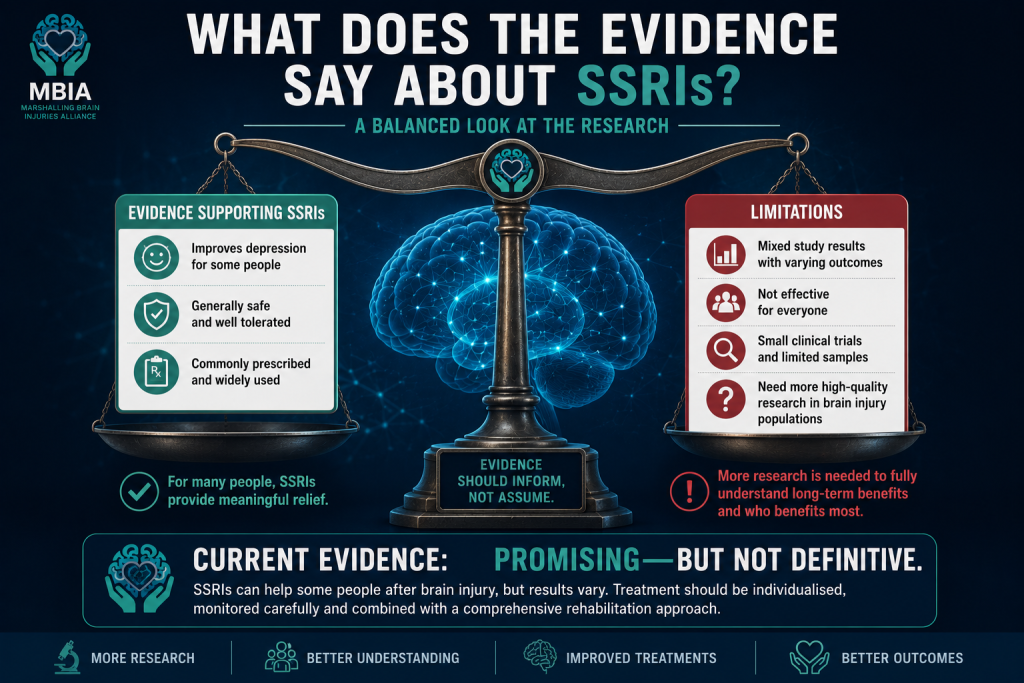
In other words, the evidence suggests that SSRIs can help some people after brain injury—but they are far from a universal solution.
A More Personalised Approach
Perhaps the most important lesson from current research is that depression after brain injury should not be treated as though it is identical to depression in the general population.
Every brain injury is different.
Every person's symptoms are different.
Every brain heals differently.
For some people, an SSRI may make a significant difference.
For others, a different antidepressant may work better.
Some may benefit from medications that target other neurotransmitters, while others may find the greatest improvements come from addressing sleep, chronic pain, hormone deficiencies, fatigue, rehabilitation, exercise, psychological therapy or social support.
Rather than asking, "Why didn't the antidepressant work?", a better question may be:
"What combination of biological, psychological and rehabilitation treatments does this particular brain need?"
As our understanding of brain injury continues to grow, researchers are increasingly moving towards this more personalised approach—one that recognises that recovery is rarely about a single tablet, but about treating the whole person and the many interconnected effects of an injured brain.
If you've spent any time reading online forums or talking to other people living with a brain injury, you've probably heard very different experiences with antidepressants.
Some people describe them as life-changing.
Others say they made no difference at all.
Some find the first medication doesn't work but a second or third one does.
Others stop taking them because of side effects.
So, what does the scientific evidence actually tell us?
The honest answer is both encouraging and frustrating.
The evidence suggests that SSRIs can help some people with depression after a traumatic brain injury—but they are not consistently effective for everyone.
That may sound like an unsatisfying answer, but it's actually what makes this area of research so fascinating. Rather than proving antidepressants "work" or "don't work," the studies suggest that depression after brain injury is far more biologically complex than depression in the general population.
The Most Recent Research Is More Encouraging
One of the most up-to-date pieces of evidence comes from a 2025 systematic review and meta-analysis.
Before looking at the findings, it's worth explaining what this type of study actually is.
Researchers didn't carry out a new clinical trial themselves. Instead, they gathered together all of the best available clinical trials that investigated SSRIs after traumatic brain injury and combined their results using advanced statistical techniques.
This approach helps provide a clearer overall picture than relying on any single study.
After analysing the available evidence, the researchers found that people receiving SSRIs generally experienced greater improvements in depression scores than those receiving comparison treatments or placebo.
Importantly, they also found no significant increase in serious adverse effects, suggesting that SSRIs remain reasonably safe for most people when prescribed appropriately.
At first glance, this sounds like excellent news.
However, the researchers were careful not to overstate their findings.
They highlighted several important limitations.
Many of the studies involved relatively small numbers of participants.
Different studies used different antidepressants.
The severity of brain injuries varied considerably.
Some studies included people only weeks after injury, while others involved people years into recovery.
Because of these differences, the researchers concluded that although the findings are encouraging, much larger, high-quality clinical trials are still needed before firm conclusions can be drawn.
In other words, the latest evidence suggests SSRIs may help many people after brain injury—but researchers cannot yet say with certainty how well they work, who is most likely to benefit or which medication is best.
Earlier Research Told a More Complicated Story
The 2025 review wasn't the first attempt to answer this question.
Several earlier systematic reviews examined the same evidence and reached more cautious conclusions.
Some studies found clear improvements in depressive symptoms.
Others found only small benefits.
A number of clinical trials found little or no difference between antidepressants and placebo.
This doesn't necessarily mean the medications were ineffective.
Instead, it reflects how difficult it is to study depression after brain injury.
Every brain injury is different.
Some people have mild concussions.
Others have severe diffuse axonal injuries.
Some struggle mainly with depression.
Others have chronic pain, migraines, PTSD, fatigue, sleep disorders, cognitive impairment or hormone deficiencies—all of which can influence mood.
Trying to compare these very different groups of people is incredibly challenging.
As a result, researchers have repeatedly concluded that the evidence remains mixed rather than conclusive.
Are SSRIs the Best Choice?
One particularly interesting study approached the problem from a different angle.
Rather than simply comparing one antidepressant with placebo, researchers performed a network meta-analysis.
This type of analysis compares multiple treatments simultaneously, even when they have not all been directly compared against one another in individual clinical trials.
The findings were surprising.
Among the medications studied, methylphenidate—a medicine more commonly prescribed for attention deficit hyperactivity disorder (ADHD)—appeared to produce greater improvements in depressive symptoms than the SSRIs included in the analysis.
The researchers also found that sertraline, one of the most commonly prescribed antidepressants after brain injury, appeared to have poorer tolerability than placebo within the available studies, meaning participants were somewhat more likely to stop taking it because of side effects.
These findings certainly attracted attention.
However, they should also be interpreted carefully.
The number of available studies was small, many involved relatively few participants, and not every medication had been studied to the same extent.
The results are interesting enough to justify further research—but they are not strong enough to conclude that methylphenidate should replace SSRIs as the standard treatment for depression after brain injury.
Why Are the Results So Mixed?
If SSRIs work well for many people in the general population, why don't they produce equally consistent results after brain injury?
Researchers believe the answer lies in the fact that brain injury depression is fundamentally different.
Traditional depression may involve changes in neurotransmitters, genetics, stressful life events or a combination of these factors.
After a traumatic brain injury, however, depression may also involve:
- Ongoing neuroinflammation.
- Damage to white matter pathways connecting emotional brain networks.
- Disruption of serotonin, dopamine and noradrenaline signalling.
- Reduced neuroplasticity.
- Hormonal disturbances.
- Chronic headaches and pain.
- Severe fatigue.
- Sleep disorders.
- Cognitive difficulties.
- Emotional dysregulation.
- Changes in self-identity and independence.
When so many different biological systems are involved, it becomes much less likely that a medication targeting only one neurotransmitter system will completely resolve every symptom.
This doesn't mean SSRIs have no place in treatment.
It simply means they are unlikely to be the whole answer.
Why the Brain Injury Should Never Be an Afterthought
Imagine two people walk into a clinic.
Both have been experiencing low mood, loss of motivation, poor sleep and difficulty concentrating for several months.
On the surface, their symptoms appear almost identical.
However, one person has no history of brain injury.
The other sustained a traumatic brain injury two years earlier.
Should they receive exactly the same treatment?
Increasingly, researchers and clinicians believe the answer is not necessarily.
While both people may meet the criteria for major depressive disorder, the biological processes driving their symptoms may be very different. For the person with a brain injury, depression may be influenced not only by life circumstances but also by changes to brain structure, brain chemistry, inflammation, disrupted neural networks and impaired emotional regulation.
This is why many experts believe the brain injury should never be viewed as a separate diagnosis that simply sits alongside depression. Instead, it should be considered a central part of understanding why that person's symptoms have developed and how they are most likely to respond to treatment.
Moving Away from Treating Two Separate Conditions
Traditionally, healthcare has often divided physical health and mental health into separate specialties.
Someone with headaches, dizziness or seizures may be referred to a neurologist.
Someone with depression or anxiety may be referred to mental health services.
While this approach has many strengths, it can sometimes overlook the fact that the brain is responsible for both neurological and psychological function.
When the brain itself has been injured, these two areas cannot always be separated.
A person living with a traumatic brain injury may experience:
- Persistent headaches.
- Extreme fatigue.
- Poor sleep.
- Memory difficulties.
- Slower thinking.
- Sensory overload.
- Emotional dysregulation.
- Depression.
- Anxiety.
These symptoms are not isolated from one another. They constantly interact.
For example, chronic headaches may reduce sleep. Poor sleep may worsen fatigue. Fatigue can make it harder to concentrate. Cognitive difficulties may increase frustration. Frustration may contribute to depression, while depression itself can further worsen sleep and motivation.
Trying to treat only one part of this cycle without recognising the others may limit how much improvement someone experiences.
The Importance of Integrated Care
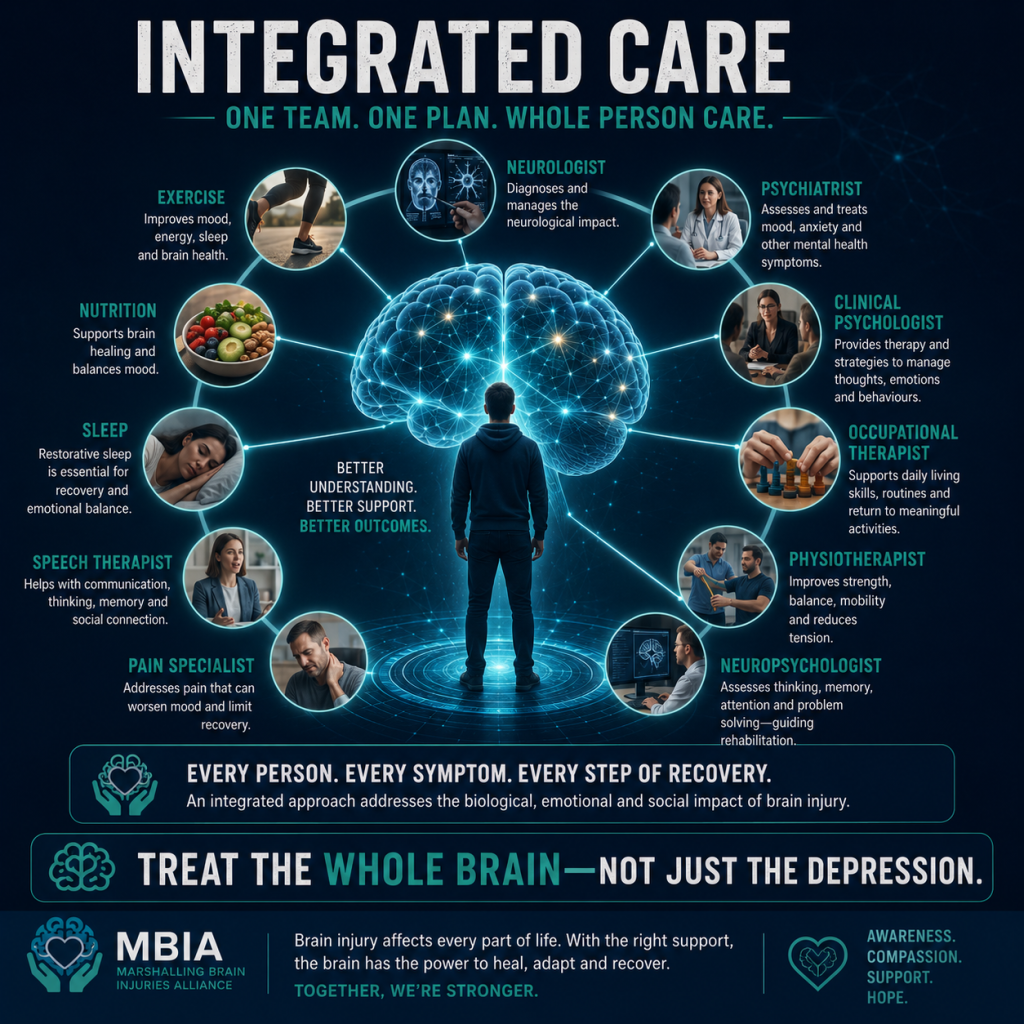
Research increasingly supports the idea that people with brain injuries often benefit from integrated care, where professionals from different specialties work together rather than treating each symptom in isolation.
Depending on an individual's needs, this multidisciplinary team might include:
- Neurologists.
- Psychiatrists.
- Neuropsychologists.
- Rehabilitation physicians.
- Clinical psychologists.
- Occupational therapists.
- Physiotherapists.
- Speech and language therapists.
- Specialist nurses.
- Pain specialists.
- Endocrinologists where hormonal problems are suspected.
Each professional brings a different perspective, but all are working towards the same goal: understanding how the brain injury is affecting the person's overall health and quality of life.
Rather than asking, "Which service does this symptom belong to?", integrated care asks, "How are all of these symptoms connected?"
Looking Beyond Depression Alone
One of the most important messages from modern research is that treating depression after brain injury often means treating much more than depression itself.
Clinicians may need to consider questions such as:
Is chronic pain making the depression worse?
Persistent headaches and migraines are common after brain injury and can have a profound impact on mood, sleep and quality of life.
Is fatigue reducing the person's ability to cope?
Brain injury fatigue is often one of the most disabling symptoms and can leave even simple daily activities feeling overwhelming.
Is poor sleep contributing to emotional distress?
Sleep disturbances are extremely common following traumatic brain injury and can worsen depression, anxiety, irritability and cognitive function.
Could hormonal changes be playing a role?
Traumatic brain injury can sometimes affect the pituitary gland and other hormone-regulating systems, leading to symptoms such as low mood, fatigue, reduced motivation and poor concentration that may resemble depression.
Are cognitive difficulties increasing frustration?
Memory problems, slower information processing and executive dysfunction can affect every aspect of daily life, making work, relationships and even routine tasks much more challenging.
Addressing these factors may not only improve physical symptoms but may also reduce the severity of depression and anxiety.
Brain Injury May Influence How Someone Responds to Treatment
Brain injury doesn't just affect symptoms—it may also affect how a person responds to treatment.
Some people appear to be more sensitive to medication side effects.
Others require longer to notice improvements.
Some benefit greatly from psychological therapy but need sessions adapted to account for memory or concentration difficulties.
Others make significant progress only after headaches, sleep problems or fatigue have been brought under better control.
This is one reason why rehabilitation specialists often recommend taking time to understand the person's complete clinical picture before deciding on the most appropriate treatment plan.
Rather than asking simply:
"Which antidepressant should we prescribe?"
The more helpful question may be:
"What factors are contributing to this person's depression, and which of those can we address?"
Towards Truly Personalised Treatment
Perhaps the most exciting development in brain injury medicine is the growing recognition that treatment should be personalised.
Every brain injury is unique.
No two scans are identical.
No two recoveries follow exactly the same path.
No two people experience the same combination of symptoms.
Because of this, effective treatment may also look different for every individual.
One person may experience significant improvement with an antidepressant.
Another may benefit most from better migraine management.
Someone else may find that improving sleep transforms both their mood and cognitive function.
For another, cognitive rehabilitation, psychological therapy and family support may be the key ingredients.
Increasingly, researchers are moving away from the idea of a single "best" treatment and towards identifying the right combination of therapies for each individual.
Treating the Whole Person, Not Just the Diagnosis
Perhaps the most important lesson from all of this research is that depression after a brain injury should never be viewed in isolation.
It is often influenced by a complex interaction between the injury itself, changes in brain biology, physical symptoms, psychological wellbeing and the person's social environment.
Recognising these connections does more than improve treatment—it changes how we think about people living with brain injury.
Instead of seeing "someone with depression who also had a brain injury," we begin to see "someone whose injured brain may be contributing to every aspect of how they think, feel and function."
That shift in perspective encourages more compassionate care, more collaborative treatment and, ultimately, a greater chance of meaningful recovery.
What About Antipsychotic Medication?
When discussing mental health after a brain injury, many people naturally think about antidepressants. However, some people living with a traumatic brain injury (TBI) or suspected chronic traumatic encephalopathy (CTE) may also be prescribed antipsychotic medication.
This can sometimes be confusing or even worrying, particularly if the person has never experienced psychosis.
The important thing to understand is that being prescribed an antipsychotic does not necessarily mean someone has a psychotic illness such as schizophrenia. These medications are sometimes used for a range of symptoms because of the effects they have on brain activity.
When Might Antipsychotics Be Used After Brain Injury?
There are situations where antipsychotic medications may play an important role in treatment.
These include people experiencing:
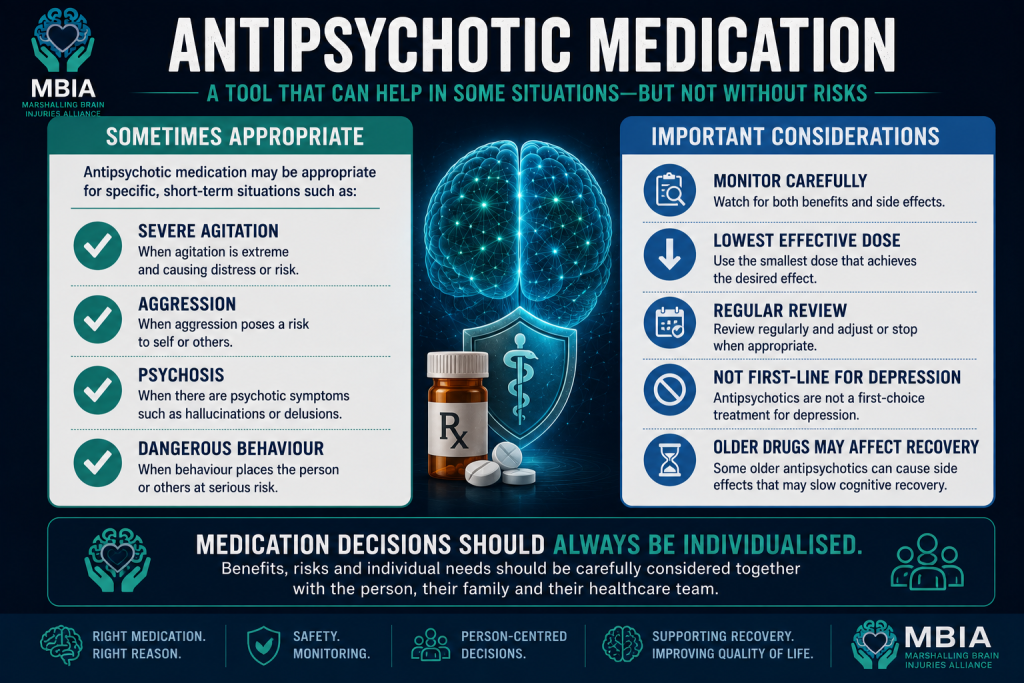
- Severe agitation that places themselves or others at risk.
- Extreme aggression that cannot be managed safely through other approaches.
- Psychosis, including hallucinations or delusions (which can occur after brain injury but are relatively uncommon).
- Severe behavioural disturbance or impulsivity that poses a significant safety concern.
In these situations, the immediate priority is often keeping the person safe while allowing healthcare professionals to investigate and treat the underlying cause of the symptoms.
Some newer (atypical) antipsychotic medications may also occasionally be prescribed to help manage severe mood instability, overwhelming distress or significant sleep disturbance in carefully selected individuals, although this is not their primary purpose.
Do They Treat Depression After Brain Injury?
This is where the evidence becomes much less clear.
Unlike antidepressants, antipsychotic medications are not generally considered first-line treatments for depression following traumatic brain injury.
There is currently very little high-quality research showing that antipsychotic medications improve the underlying depression caused by brain injury.
Instead, they are usually prescribed to manage specific symptoms such as severe agitation, aggression or psychosis rather than treating the biological causes of post-brain injury depression itself.
This is an important distinction.
A medication may reduce dangerous behaviour or help someone feel calmer without necessarily addressing the neurological changes contributing to depression or anxiety.
What Does the Research Say?
Researchers have been interested in this question for many years.
One reason is that recovery after brain injury depends heavily on neuroplasticity—the brain's ability to reorganise itself, form new connections and adapt after injury.
Some older studies in animals found that certain first-generation (typical) antipsychotic medications, particularly haloperidol, appeared to slow neurological recovery and interfere with learning and neuroplasticity following traumatic brain injury.
These findings raised understandable concerns.
However, translating results from animal studies into human treatment is never straightforward.
Human research has been far more limited, and the evidence is less clear.
To date, there is no strong evidence that antipsychotic medications routinely improve long-term recovery after brain injury, but there is also insufficient evidence to say they should never be used.
Instead, most rehabilitation specialists recommend that these medications should only be prescribed when there is a clear clinical reason and when the expected benefits outweigh the potential risks.
Older and Newer Antipsychotics
Not all antipsychotic medications work in exactly the same way.
Older first-generation (typical) antipsychotics, such as haloperidol, have been associated with greater concerns regarding cognitive slowing and possible effects on neurological recovery.
For this reason, many clinicians prefer to avoid prolonged use of these medications in people recovering from brain injury unless there is a compelling reason to prescribe them.
Newer second-generation (atypical) antipsychotics, such as quetiapine, olanzapine and risperidone, are generally thought to have a more favourable side-effect profile in many situations.
Even so, the evidence supporting their use specifically after traumatic brain injury remains limited.
While they may be appropriate for carefully selected patients, they should not be viewed as routine treatments for post-brain injury depression or behavioural symptoms.
Why Careful Monitoring Is So Important
People living with brain injuries can sometimes be more sensitive to the effects of medication.
Symptoms that are already common after brain injury—including fatigue, slowed thinking, balance problems and memory difficulties—may occasionally be worsened by medications that have sedating effects.
Potential side effects of antipsychotic medications can include:
- Drowsiness.
- Slower thinking.
- Reduced concentration.
- Weight gain.
- Changes in blood sugar and cholesterol.
- Muscle stiffness or tremors with some medications.
- Increased risk of falls in vulnerable individuals.
These risks do not mean that antipsychotics should never be prescribed.
Rather, they highlight the importance of prescribing them thoughtfully and monitoring their effects carefully.
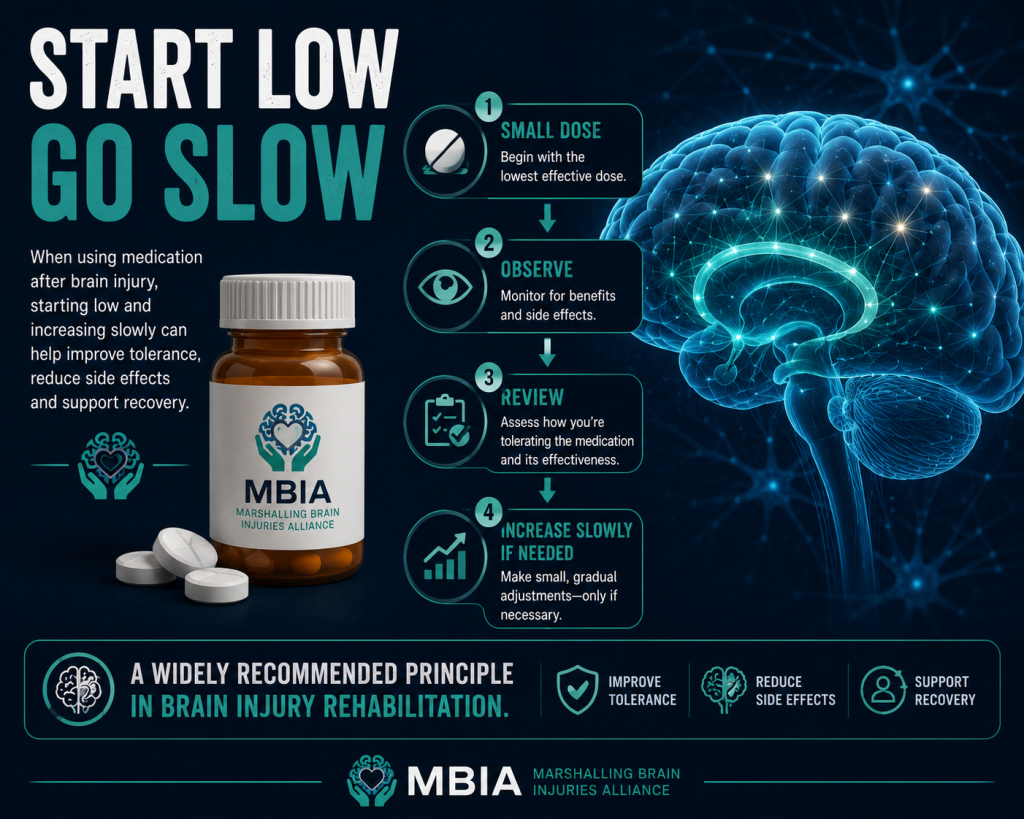
Using the Lowest Effective Dose
Most brain injury rehabilitation specialists recommend a cautious approach to psychiatric medication.
A commonly used principle is:
"Use the lowest effective dose for the shortest appropriate period."
The aim is to provide enough medication to improve safety and quality of life while minimising unwanted side effects that could interfere with rehabilitation.
Treatment should also be regularly reviewed.
Questions that should be revisited include:
- Is the medication still needed?
- Is it providing meaningful benefit?
- Have the original symptoms improved?
- Are side effects outweighing the benefits?
- Could the dose be reduced?
- Are there non-drug approaches that should now play a greater role?
Medication should not simply be continued indefinitely without ongoing assessment.
Medication Is Only One Part of the Picture
For people experiencing severe agitation, aggression or psychosis after brain injury, antipsychotic medication can sometimes be an important and appropriate part of treatment.
However, current evidence suggests that it should usually be viewed as one component of a broader rehabilitation plan rather than a complete solution.
Alongside medication, clinicians should continue to investigate and address potential contributing factors such as:
- Pain.
- Fatigue.
- Sleep disturbance.
- Sensory overload.
- Depression and anxiety.
- Hormonal problems.
- Environmental stressors.
- Unmet rehabilitation needs.
Managing these underlying issues may reduce behavioural symptoms and improve quality of life just as much as medication itself.
The Bottom Line
Antipsychotic medications have an important place in modern medicine, and for some people living with brain injury they can be essential in managing severe behavioural disturbance or psychosis.
However, current research does not support their routine use as a treatment for depression following traumatic brain injury.
The evidence remains limited, and some older medications have raised concerns about their potential effects on neurological recovery, particularly in experimental studies.
For this reason, most experts recommend a cautious, individualised approach—using these medications only when clearly indicated, prescribing the lowest effective dose, monitoring carefully for benefits and side effects, and reviewing treatment regularly as recovery progresses.
Ultimately, the goal should always be the same: not simply to suppress symptoms, but to support the injured brain's recovery while helping the person achieve the best possible quality of life.
Why Medication Can Affect People with Brain Injury Differently
One of the most important things for people living with a brain injury—and the healthcare professionals treating them—to understand is that an injured brain does not always respond to medication in the same way as an uninjured brain.
This applies not only to antidepressants and antipsychotic medications, but also to many other medicines used after brain injury, including painkillers, anti-anxiety medications, sleeping tablets and even some medications that were well tolerated before the injury.
It doesn't mean these medications shouldn't be used.
It simply means that people with brain injuries often require a more cautious, individualised approach to prescribing.
Why Might the Injured Brain Respond Differently?
Scientists are still trying to fully understand why this happens, but several biological changes may play a role.
Following a traumatic brain injury, the brain may experience:
- Changes in neurotransmitter systems.
- Damage to neural networks that process information.
- Ongoing neuroinflammation.
- Altered blood flow.
- Changes in how different brain regions communicate.
- Hormonal disturbances.
- Increased sensitivity to sensory stimulation.
These changes may influence not only how medications affect the brain, but also how well someone tolerates them.
In other words, a dose that is perfectly appropriate for one person may be too much—or occasionally too little—for someone recovering from a brain injury.
Increased Sensitivity to Side Effects
Clinical experience and rehabilitation guidelines suggest that some people with brain injury appear to be more sensitive to medication side effects than the general population.
Although responses vary enormously from person to person, commonly reported problems include:
Dizziness
Many people already experience dizziness or balance problems after a brain injury.
Some medications can worsen these symptoms, increasing the risk of falls and making everyday activities more difficult.
Fatigue
Brain injury fatigue is one of the most disabling long-term symptoms experienced by many survivors.
Unfortunately, a number of medications—including some antidepressants, antipsychotics and anti-anxiety drugs—can also cause drowsiness or tiredness.
For someone already struggling with severe fatigue, even a small increase can have a significant impact on daily life.
Emotional Blunting
Some people describe feeling emotionally "flat" while taking certain psychiatric medications.
Rather than simply reducing depression or anxiety, they may feel less able to experience positive emotions as well.
People often describe this as feeling:
- Numb.
- Detached.
- Like they're "going through the motions."
- Less interested in things they once enjoyed.
Not everyone experiences emotional blunting, and for many people the benefits of medication outweigh this side effect.
However, because emotional processing may already be altered after brain injury, these changes can sometimes feel particularly noticeable.
Cognitive Slowing
Many people with traumatic brain injury already experience:
- Slower thinking.
- Reduced concentration.
- Difficulty finding words.
- Memory problems.
- Mental fatigue.
Some medications can temporarily worsen these difficulties.
For someone trying to return to work, complete rehabilitation or simply manage daily life, even a small reduction in cognitive function may be important.
This is one reason why healthcare professionals often weigh the potential benefits of medication against its possible effects on cognition.
Everyone Responds Differently
It is equally important to remember that these side effects are not inevitable.
Many people with brain injuries take antidepressants or other psychiatric medications without experiencing significant problems and find that the benefits greatly outweigh any unwanted effects.
Others may experience side effects with one medication but tolerate another extremely well.
Finding the right medication—and the right dose—often takes time.
"Start Low and Go Slow"
Because of these differences, one principle is widely recognised within brain injury rehabilitation:
"Start low and go slow."
This simple phrase reflects a cautious prescribing approach that many specialists recommend when treating people with traumatic brain injury.
It means:
- Starting with a lower dose than might normally be prescribed.
- Increasing the dose gradually rather than quickly.
- Allowing enough time to see how the medication affects the individual.
- Monitoring carefully for both improvements and side effects.
- Adjusting treatment based on the person's response rather than following a fixed schedule.
This approach helps reduce the risk of unnecessary side effects while giving clinicians an opportunity to find the lowest dose that provides meaningful benefit.
Regular Review Is Just as Important
Prescribing medication should never be viewed as a one-off decision.
The brain changes throughout recovery.
Symptoms evolve.
What is appropriate during the early stages after injury may not be the best approach months or years later.
Regular medication reviews allow healthcare professionals to ask important questions:
- Is the medication still helping?
- Has mood improved?
- Have side effects developed?
- Could the dose be reduced?
- Would a different medication be more appropriate?
- Have new symptoms emerged that require a different approach?
This ongoing assessment helps ensure that treatment continues to meet the person's changing needs.
There Is No "One Size Fits All"
Perhaps the most important message is that there is no universal medication that works for everyone with a brain injury.
Two people with apparently similar injuries may respond very differently to exactly the same treatment.
One may experience significant improvements in mood with minimal side effects.
Another may notice little benefit but significant fatigue or cognitive slowing.
Neither response is unusual.
The variability reflects the complexity of brain injury itself.
Treating the Person, Not Just the Prescription
Modern brain injury rehabilitation increasingly recognises that medication is only one part of recovery.
Finding the right treatment often involves balancing symptom relief with quality of life, cognitive function and participation in rehabilitation.
For many people, the most successful approach combines carefully prescribed medication with sleep management, pain control, psychological support, exercise, cognitive rehabilitation, social connection and healthy lifestyle changes.
The goal is not simply to reduce symptoms.
It is to help each person recover as much independence, wellbeing and quality of life as possible.
That is why rehabilitation specialists often emphasise careful prescribing, regular review and truly personalised care—because when it comes to treating an injured brain, the best treatment is rarely about finding the strongest medication. It's about finding the right treatment for the right person at the right time.
Treating the Whole Brain, Not Just the Depression
One of the clearest messages emerging from modern brain injury research is that successful treatment usually requires looking beyond depression alone.
Someone may score highly on a depression questionnaire because they are exhausted after minimal activity, suffer daily migraines, sleep only a few hours each night, struggle with concentration and have become socially isolated because of sensory overload.
In that situation, treating depression is important—but improving the person's sleep, reducing pain, managing fatigue and supporting cognitive recovery may also improve their mood.
For this reason, many brain injury specialists advocate a multidisciplinary approach, combining treatments that address the many interconnected consequences of brain injury.
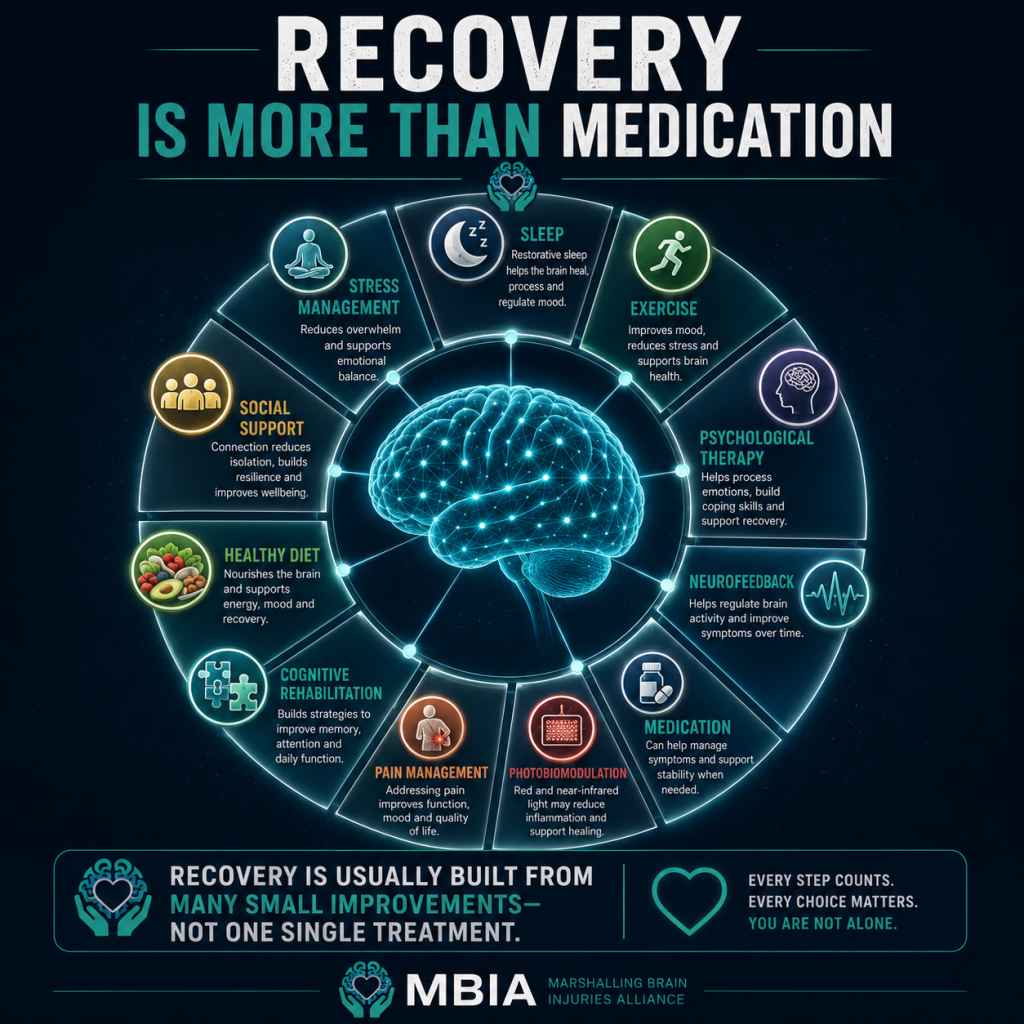
This may include:
- Improving sleep quality.
- Managing headaches and chronic pain.
- Treating fatigue.
- Cognitive rehabilitation.
- Psychological therapies adapted for brain injury.
- Regular physical activity where appropriate.
- Social support and peer support.
- Occupational therapy.
- Speech and language therapy when needed.
- Neuropsychological rehabilitation.
- Medication, including antidepressants when clinically appropriate.
Each of these approaches targets a different part of the recovery process.
Together, they are often more effective than relying on medication alone.
The Bottom Line
The evidence does not show that SSRIs "don't work" after brain injury.
Nor does it show that they work for everyone.
Instead, the research paints a far more nuanced picture.
For some people, SSRIs can significantly reduce depressive symptoms and improve quality of life.
For others, they provide only modest benefit—or none at all.
This variability isn't necessarily a failure of the medication. It reflects the incredible complexity of the injured brain.
Researchers are increasingly recognising that depression following traumatic brain injury is not simply ordinary depression occurring in someone who has had an accident. It is often a unique neurological condition, influenced by changes to brain structure, brain chemistry, inflammation, hormones and the brain's communication networks.
As our understanding grows, treatment is gradually moving away from a "one medication fits all" approach and towards personalised care that considers the whole person, their symptoms, their type of injury and the biological changes occurring within their brain.
That shift offers genuine reason for optimism. The more we understand why depression develops after brain injury, the closer we come to developing treatments that are more effective, more targeted and better tailored to the needs of each individual.
Looking to the Future: Reasons for Hope
For many years, depression and anxiety after a brain injury were often viewed in much the same way as depression in the general population. If someone was struggling emotionally after a concussion or traumatic brain injury, the assumption was often that they were simply reacting to the life-changing consequences of their injury.
While those emotional reactions are undoubtedly real and important, the science has moved on.
Today, researchers increasingly recognise that depression following a traumatic brain injury is often a unique neurological condition, influenced not only by life experiences but also by physical changes within the brain itself.
This represents an important shift in thinking.
Rather than asking, "Which antidepressant should we prescribe?", researchers are increasingly asking:
"What has actually changed inside this person's brain, and how can we treat those changes?"
This new approach is opening the door to more personalised and potentially more effective treatments.
Personalised Medicine
No two brain injuries are exactly alike.
The location of the injury, the severity of the damage, the person's genetics, their age, previous medical history and even their lifestyle can all influence recovery.
Researchers are therefore moving away from the traditional "trial and error" approach to antidepressants and towards personalised medicine.
The hope is that future treatments will be chosen based on an individual's unique pattern of symptoms and underlying brain changes, rather than assuming the same medication will work equally well for everyone.
Although this research is still developing, advances in brain imaging, genetics and biomarkers may eventually help doctors identify which treatments are most likely to benefit each person.
Neurostimulation – Helping Brain Networks Recover
Another exciting area of research involves non-invasive brain stimulation.
One of the most studied techniques is Transcranial Magnetic Stimulation (TMS).
TMS uses carefully controlled magnetic pulses applied through the scalp to stimulate specific areas of the brain involved in mood regulation, particularly the prefrontal cortex.
Unlike electroconvulsive therapy (ECT), TMS does not require anaesthesia and does not produce seizures. Most people remain awake throughout treatment.
TMS is already an established treatment for some people with depression in the general population who have not responded to medication.
Researchers are now investigating whether it may also help people with depression following traumatic brain injury by encouraging healthier activity within damaged brain networks.
Early studies have shown promising results, but larger clinical trials are still needed to determine which patients benefit most.
Neurofeedback
Another treatment attracting increasing scientific interest is neurofeedback.
Neurofeedback aims to help the brain regulate its own activity by providing real-time information about brainwave patterns.
During training, sensors placed on the scalp monitor brain activity while specialised software provides feedback, allowing the brain to gradually learn more efficient patterns of functioning.
Research into neurofeedback after brain injury is still evolving, but several studies have reported improvements in areas such as attention, emotional regulation, anxiety, sleep and overall quality of life.
Although more high-quality research is needed before firm conclusions can be drawn, neurofeedback represents one of several non-drug approaches that may complement traditional rehabilitation for some individuals.
Exercise – Medicine for the Brain
Exercise has long been recognised as one of the most effective lifestyle interventions for improving mental health.
For people with brain injury, appropriately supervised physical activity may offer even broader benefits.
Research suggests that regular exercise may:
- Improve mood.
- Reduce symptoms of depression and anxiety.
- Increase blood flow to the brain.
- Support neuroplasticity.
- Reduce inflammation.
- Improve sleep quality.
- Boost energy levels.
- Enhance cognitive function.
Importantly, exercise programmes should always be tailored to the individual. Someone recovering from a brain injury may need a very different approach from someone without neurological problems, particularly if they experience dizziness, fatigue or exercise intolerance.
Targeting Inflammation
As scientists learn more about the role of chronic neuroinflammation after brain injury, researchers are also exploring treatments aimed at reducing harmful inflammation within the brain.
This area of research includes:
- Anti-inflammatory medications.
- Nutritional interventions.
- Omega-3 fatty acids.
- Lifestyle approaches.
- Immune-modulating therapies.
While none of these approaches can currently be recommended as a cure for post-brain injury depression, understanding inflammation is helping researchers identify new treatment targets that simply weren't recognised a decade ago.
Photobiomodulation
One of the newer areas of research is photobiomodulation, sometimes known as low-level light therapy or red and near-infrared light therapy.
Researchers believe that specific wavelengths of light may influence how mitochondria—the tiny energy-producing structures inside our cells—function.
Laboratory studies suggest this may help support cellular energy production, reduce inflammation and promote neuroplasticity.
Early human studies have reported encouraging results in areas such as mood, cognition and symptoms following traumatic brain injury.
However, this remains an emerging field, and much larger, well-designed clinical trials are needed before photobiomodulation can be recommended as a standard treatment for depression after brain injury.
It is an exciting area of research—but one where separating evidence from hype remains essential.
Cognitive Rehabilitation
Because depression after brain injury often exists alongside problems with memory, attention and executive functioning, many specialists believe that improving cognitive function may also improve emotional wellbeing.
Cognitive rehabilitation helps people develop strategies to compensate for cognitive difficulties while strengthening remaining abilities.
This may include:
- Memory strategies.
- Attention training.
- Problem-solving exercises.
- Planning and organisation techniques.
- Fatigue management.
- Goal setting.
As people regain confidence in managing everyday activities, many also report improvements in mood, independence and quality of life.
Psychological Therapies Designed for Brain Injury
Psychological therapy remains an important part of recovery, but researchers increasingly recognise that traditional approaches sometimes need adapting for people living with brain injury.
Difficulties with memory, concentration, fatigue or information processing can make standard therapy challenging.
For this reason, clinicians are developing brain injury-specific approaches that may include:
- Shorter sessions.
- More repetition.
- Written summaries.
- Visual aids.
- Involvement of family members.
- Practical problem-solving strategies.
- Education about how brain injury affects emotions.
Rather than assuming someone simply needs to "change their thinking," these adapted therapies acknowledge that the injured brain may learn differently and may require different rehabilitation techniques.
Recovery Rarely Comes from One Treatment Alone
One of the most important lessons emerging from modern research is that recovery is rarely about finding a single miracle treatment.
Instead, improvements often come from combining several approaches that work together.
For one person, medication may make the biggest difference.
For another, better sleep, effective pain management and cognitive rehabilitation may unlock improvements in mood.
Someone else may benefit most from exercise, psychological therapy and strong social support.
The most successful treatment plans are often those that recognise the complexity of brain injury and address the many factors that influence recovery.
A Message of Hope
There is still much we don't know about depression following traumatic brain injury and CTE.
Many important questions remain unanswered, and researchers continue to search for better treatments.
But there is genuine reason for optimism.
Perhaps the biggest advance isn't a new drug or a new technology—it's a new understanding.
Scientists are increasingly recognising that depression after brain injury is not simply ordinary depression occurring after an accident. It is often a complex neurological condition with biological, psychological and social components that deserve specialised care.
That change in understanding is already shaping research around the world and driving the development of more targeted, personalised treatments.
While no single therapy works for everyone, every new study brings us closer to understanding why some people struggle, why others recover more quickly, and how treatments can be better tailored to each individual.
For people living with brain injury, that means the future is no longer focused simply on managing symptoms. It is focused on understanding the injured brain itself—and using that knowledge to develop treatments that offer greater hope, better outcomes and a better quality of life.
Medical disclaimer: This article is intended for educational purposes only and should not be used as a substitute for professional medical advice. Treatment decisions—including whether to start, stop or change antidepressants, antipsychotics or any other medication—should always be made in consultation with a qualified healthcare professional who is familiar with your individual medical history and brain injury.
References
Scientific References
Albrecht JS, Hirshon JM, McCunn M, et al. (2017). Increased rates of depression after traumatic brain injury: A systematic review and meta-analysis. Journal of Head Trauma Rehabilitation.
Bombardier CH, Fann JR, Temkin NR, Esselman PC, Barber J, Dikmen SS. (2010). Rates of major depressive disorder and clinical outcomes following traumatic brain injury. JAMA, 303(19), 1938–1945.
Fann JR, Hart T, Schomer KG. (2009). Treatment for depression after traumatic brain injury: A systematic review. Journal of Neurotrauma, 26(12), 2383–2402.
Gu F, Chau JPC, Leung AYM, et al. (2025). Selective serotonin reuptake inhibitors for major depressive disorder following traumatic brain injury: A systematic review and meta-analysis. Journal of Neurotrauma.
Jorge RE, Robinson RG, Arndt SV, et al. (1993). Depression following traumatic brain injury: A prospective study. American Journal of Psychiatry.
Juengst SB, Kumar RG, Wagner AK. (2017). A narrative literature review of depression following traumatic brain injury. Journal of Neurotrauma.
Kreitzer N, Lyons VH, Hart K, et al. (2019). Traumatic brain injury and suicide risk in military populations: A systematic review. Journal of Head Trauma Rehabilitation.
Kreutzer JS, Seel RT, Gourley E. (2001). The prevalence and symptom rates of depression after traumatic brain injury. Journal of Head Trauma Rehabilitation.
Li M, Zhao Z, Yu G, Zhang J. (2020). Epidemiology of traumatic brain injury over the world: A systematic review. Aging and Disease.
Ponsford J, Alway Y, Gould KR. (2018). Epidemiology and natural history of psychiatric disorders after traumatic brain injury. Journal of Neurotrauma.
Ponsford J, Schönberger M. (2010). Family functioning and emotional adjustment after traumatic brain injury. Neuropsychological Rehabilitation.
Rao V, Lyketsos C. (2000). Neuropsychiatric sequelae of traumatic brain injury. Psychosomatics.
Rao V, McCann U, Han D, Bergey A, Smith MT. (2010). Does acute treatment with sertraline prevent depression after traumatic brain injury? Journal of Neuropsychiatry and Clinical Neurosciences.
Rao V, Spiro JR, Vaishnavi S, et al. (2020). Neuropsychiatric disturbances associated with traumatic brain injury. The Lancet Psychiatry.
Reyes NG, et al. (2021). Comparative efficacy and tolerability of pharmacological treatments for depression after traumatic brain injury: A network meta-analysis. Journal of Neuropsychiatry and Clinical Neurosciences.
Schwarzbold M, Diaz A, Martins ET, et al. (2008). Psychiatric disorders and traumatic brain injury. Neuropsychiatric Disease and Treatment.
Van Reekum R, Cohen T, Wong J. (2000). Can traumatic brain injury cause psychiatric disorders? Journal of Neuropsychiatry and Clinical Neurosciences.
Chronic Traumatic Encephalopathy (CTE)
McKee AC, Stern RA, Nowinski CJ, et al. (2013). The spectrum of disease in chronic traumatic encephalopathy. Brain.
Mez J, Daneshvar DH, Kiernan PT, et al. (2017). Clinicopathological evaluation of chronic traumatic encephalopathy in players of American football. JAMA.
National Institute of Neurological Disorders and Stroke (NINDS). Consensus Diagnostic Criteria for Traumatic Encephalopathy Syndrome (TES).
Medication & Brain Injury Rehabilitation
Arciniegas DB, Held K, Wagner P. (2002). Cognitive impairment following traumatic brain injury. Current Treatment Options in Neurology.
Brain Trauma Foundation. Guidelines for the Management of Severe Traumatic Brain Injury.
INCOG 2.0 Guidelines for Cognitive Rehabilitation Following Traumatic Brain Injury (2023 series).
Warden DL, Gordon B, McAllister TW, et al. (2006). Guidelines for the pharmacologic treatment of neurobehavioral sequelae of traumatic brain injury. Journal of Neurotrauma.
Whyte J, Hart T. (2003). It's more than a black box; it's a Russian doll. Defining rehabilitation treatments. American Journal of Physical Medicine & Rehabilitation.
Mental Health & Suicide
Centers for Disease Control and Prevention (CDC). Traumatic Brain Injury and Mental Health.
National Institute of Mental Health (NIMH). Depression.
World Health Organization. Suicide Prevention.
Clinical Guidelines
National Institute for Health and Care Excellence (NICE).
- Depression in adults: treatment and management (NG222).
- Rehabilitation after traumatic injury (NG211).
- Head injury: assessment and early management (NG232).
Royal College of Psychiatrists.
Rehabilitation after acquired brain injury.
British Society of Rehabilitation Medicine.
Rehabilitation following acquired brain injury.