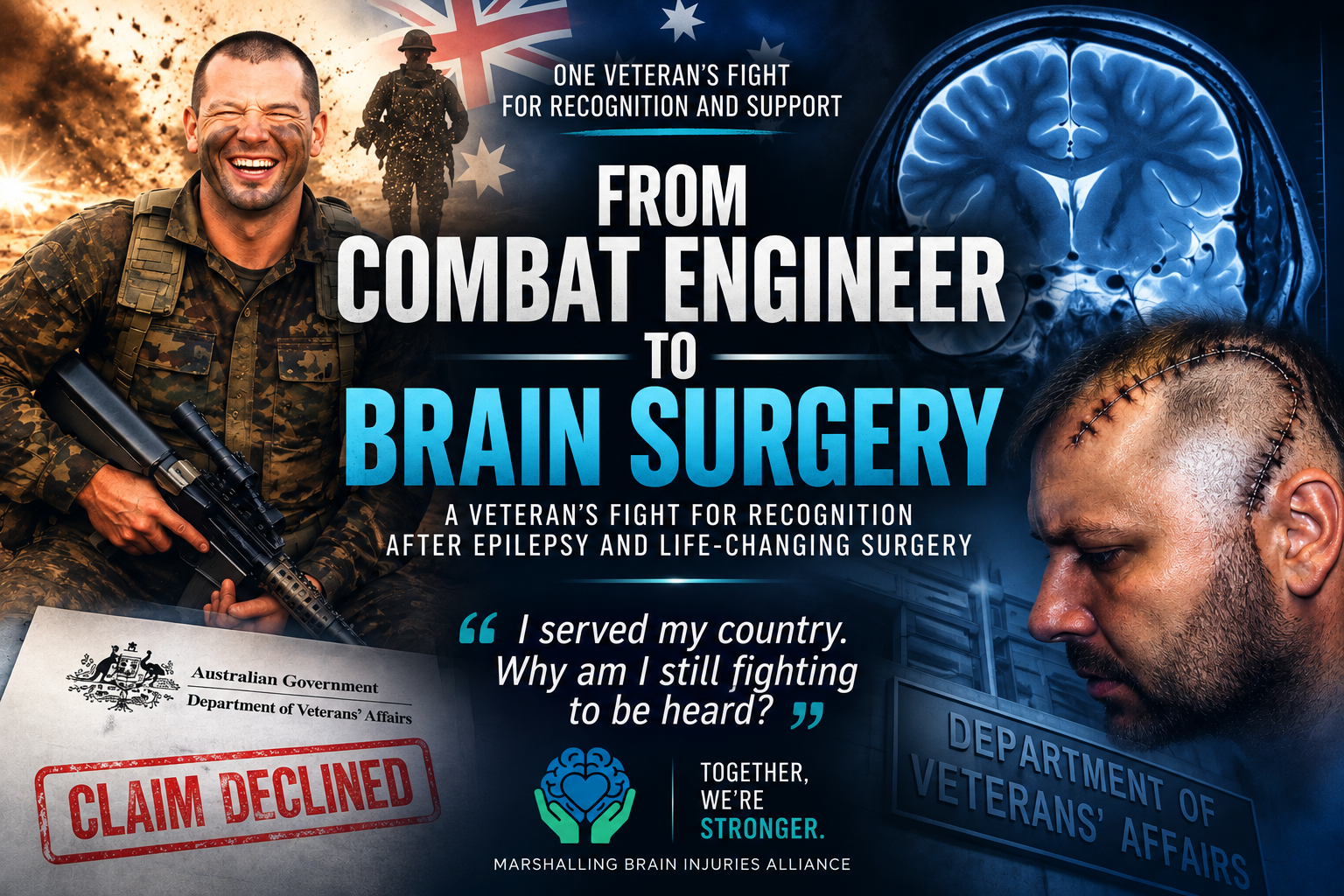
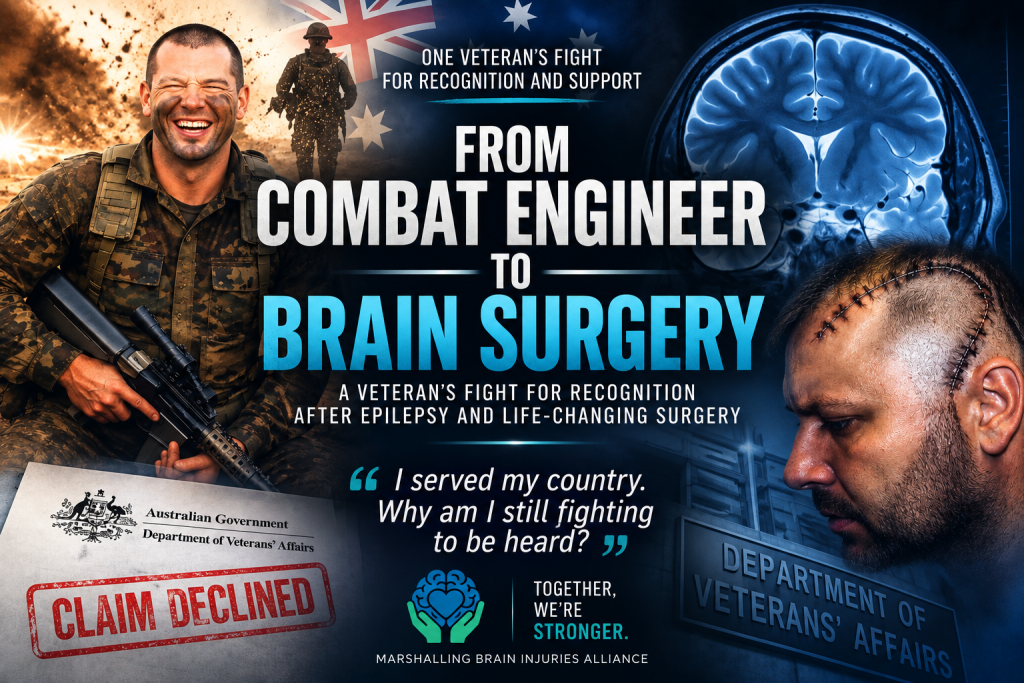
From Combat Engineer to Brain Surgery: One Veteran's Fight for Recognition
Shared with permission from Australian veteran Adam Hillbrick and his family.
When people think about military service, they often picture courage, resilience and sacrifice.
What they don't always see are the battles that continue long after service ends.
For Australian veteran Adam Hillbrick, that battle has lasted more than fifteen years.
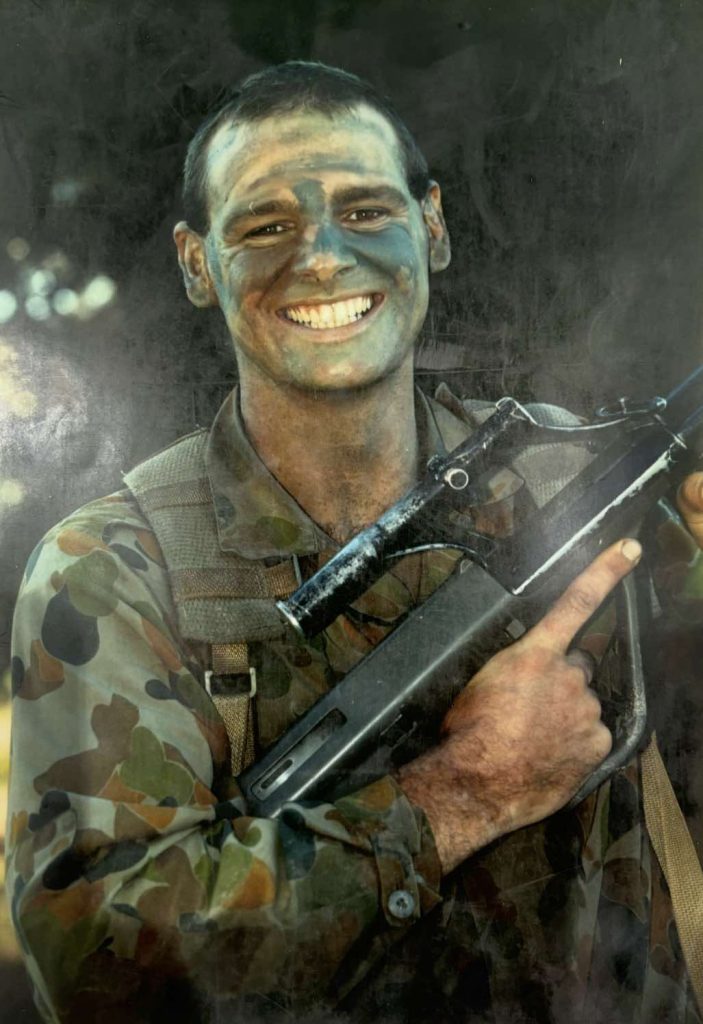
Adam enlisted in the Australian Army Reserve in April 2005 and served as a Combat Engineer with the Royal Australian Engineers. His role involved demolitions training, explosives and military engineering tasks. During his service he also participated in Operation VICFIRE Assist, helping communities affected by the devastating 2009 Black Saturday bushfires.
Like many service personnel, Adam was proud to serve.
Then, at just 32 years old, his life changed forever.
The Diagnosis That Changed Everything
While still serving in the Australian Army, Adam experienced his first seizure in 2009.
He was subsequently diagnosed witThe Diagnosis That Changed Everything
While still serving in the Australian Army, Adam experienced his first seizure in 2009.
He was subsequently diagnosed with epilepsy caused by Mesial Temporal Sclerosis, a condition involving scarring within the temporal lobe of the brain.
Despite treatment with medication, his seizures continued.
In February 2011, Adam underwent a left temporal lobectomy at the Royal Melbourne Hospital. The surgery involved removing a significant portion of the left temporal lobe in an attempt to control medication-resistant epilepsy.
Major brain surgery is never undertaken lightly. It is generally reserved for situations where seizures cannot be adequately controlled and where the risks of ongoing epilepsy outweigh the risks of surgery itself.
Unfortunately, surgery did not mark the end of Adam's journey.
Living With the Consequences
Over the years, Adam has continued to experience significant neurological challenges.
He describes living with:
- Epileptic and non-epileptic seizures
- Memory difficulties
- Cognitive impairment
- Balance problems
- Walking into walls and objects
- Difficulty remembering names
- Depression and anxiety
- Disturbed sleep and vivid dreams
- Emotional regulation difficulties
- Episodes of anger followed by tearfulness
Independent neuropsychological assessments reportedly concluded that Adam's cognitive difficulties are consistent with temporal lobe epilepsy and brain surgery and are likely to be permanent.
Recent MRI imaging continues to show the lasting impact of his surgery, documenting a large post-surgical cavity and loss of a substantial portion of the left temporal lobe.
These are not symptoms that disappear when someone leaves hospital.
For many people living with epilepsy and acquired brain injury, they become part of everyday life.
Fighting for His Life
The impact of Adam's epilepsy extends far beyond memory problems and cognitive difficulties.
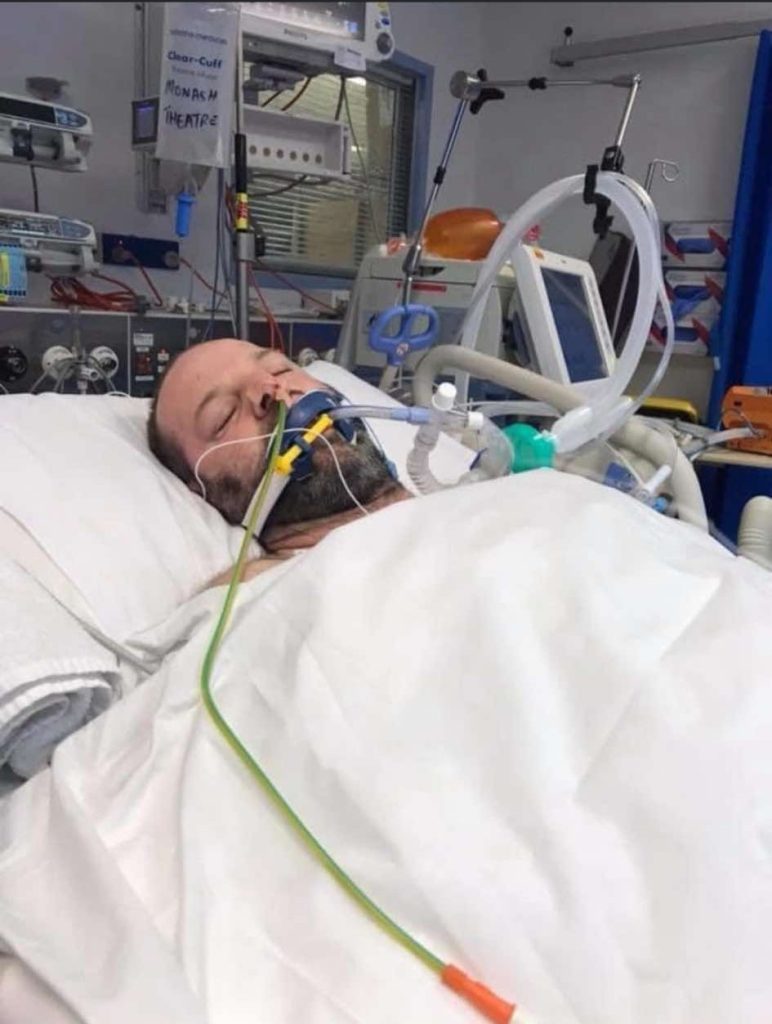
His wife, Bianca, recalls occasions when Adam suffered multiple tonic-clonic seizures, including one episode involving thirteen seizures within a twenty-four-hour period.
During one medical emergency, she was told to contact family members because clinicians feared he might not survive.
Adam required an induced coma and was admitted to hospital with a Glasgow Coma Scale score of 3, the lowest possible level of consciousness.
For families living with severe epilepsy, these experiences are not statistics.
They are traumatic events that leave lasting emotional scars.
The Hidden Cost Paid by Families
When people think about epilepsy, they often focus on seizures.
What is less understood is the impact on partners, children and carers.
Bianca describes how epilepsy has affected every aspect of family life.
Adam was unable to safely hold his newborn daughter, participate in swimming lessons with her or undertake many of the activities that other parents take for granted because of the constant risk of a seizure occurring.
Their children have grown up witnessing ambulance call-outs, medical emergencies and the uncertainty that comes with a potentially life-threatening neurological condition. Some have required psychological support to help cope with the trauma.
Bianca explains that she is no longer simply a wife.
She has become a carer, advocate, organiser, memory support system and the person responsible for navigating appointments, paperwork and daily life.
The emotional toll of that role is rarely discussed.
Yet it is carried by countless families every day.
Service, Blast Exposure and Unanswered Questions
As a Combat Engineer, Adam undertook repeated demolitions training and was routinely exposed to explosive blasts during military service.
Adam believes these exposures may have played a role in his neurological condition.
Research into the long-term effects of repeated blast exposure has grown considerably in recent years. Scientists continue to investigate whether repeated exposure to blast waves may contribute to neurological injury, even in the absence of a diagnosed concussion.
However, it is important to note that Adam has not been diagnosed with a blast-related brain injury, nor has a causal link between his military blast exposure and epilepsy been established.
His story does, however, raise important questions that many veterans around the world are now asking:
Could repeated blast exposure have long-term consequences for brain health?
Are we doing enough to understand those risks?
And are veterans receiving the support they need when neurological illness develops later in life?
Discharged Despite Serious Neurological Illness
One of the most difficult chapters in Adam's story came after his diagnosis and surgery.
According to records he has shared, Adam was administratively discharged from the Australian Defence Force in 2016.
Today, he continues to ask questions about that process.
As he wrote in a recent letter seeking media scrutiny:
"How does a serving member diagnosed with epilepsy, who subsequently undergoes major brain surgery and is left with permanent cognitive impairment, ultimately end up being administratively discharged for non-attendance?"
Adam is not asking people to accept his conclusions without question.
Instead, he is asking for the evidence, medical history and decisions surrounding his case to be examined fairly and independently.
The Ongoing Fight for Support
Since leaving military service, Adam says he has spent years seeking recognition and support for multiple medical conditions.
Documents he has shared show that several recent claims relating to epilepsy, neurocognitive difficulties and other health conditions were not accepted by the Department of Veterans' Affairs.
Adam reports that he has also been unsuccessful in securing disability-related support despite living with ongoing seizures, memory impairment and significant functional limitations.
He can no longer drive.
Many of the careers and opportunities he trained for are no longer accessible.
Yet he continues to work, support his family and advocate for himself despite the obstacles he faces.
Why This Story Matters
This article is not about proving or disproving any specific claim.
It is not about assigning blame.
It is about recognising the human reality behind the paperwork.
Behind every claim number, every medical report and every government decision is a person whose life has been changed forever.
Adam's story raises important questions about how we support veterans living with serious neurological conditions, cognitive impairment and lifelong disability.
Whether people agree or disagree with the decisions made in his case, few would dispute that the challenges he and his family face are real.
A Message From Marshalling Brain Injuries Alliance
At Marshalling Brain Injuries Alliance, we support people affected by brain injuries, neurological conditions, epilepsy, suspected CTE and the often-overlooked challenges that accompany them.
Adam's story reminds us that neurological illness affects more than the individual.
It affects families.
It affects careers.
It affects mental health.
It affects identity.
Most importantly, it reminds us that every person deserves to be heard.
To Adam, Bianca and their family, thank you for trusting us to share your story.
By speaking openly about your experiences, you are helping raise awareness for countless others who may be facing similar battles in silence.
Editor's Note: This article reflects Adam Hillbrick's experiences and the documentation he has chosen to share publicly. Marshalling Brain Injuries Alliance is not asserting that Adam's epilepsy was caused by military service or blast exposure. Rather, we believe his story highlights the importance of ongoing research into military brain health and the need for appropriate support for veterans living with serious neurological conditions.
Enjoyed this article? Join thousands of readers receiving our monthly Brain Injury Brief