Ibogaine for Brain Injury & CTE: Hope, Hype or Future Medicine? An Evidence-Based Guide
If you've spent any time in the brain injury, concussion or CTE community recently, you've almost certainly heard people talking about ibogaine.
Some describe it as the biggest breakthrough in brain injury treatment for decades.
Others call it dangerous pseudoscience.
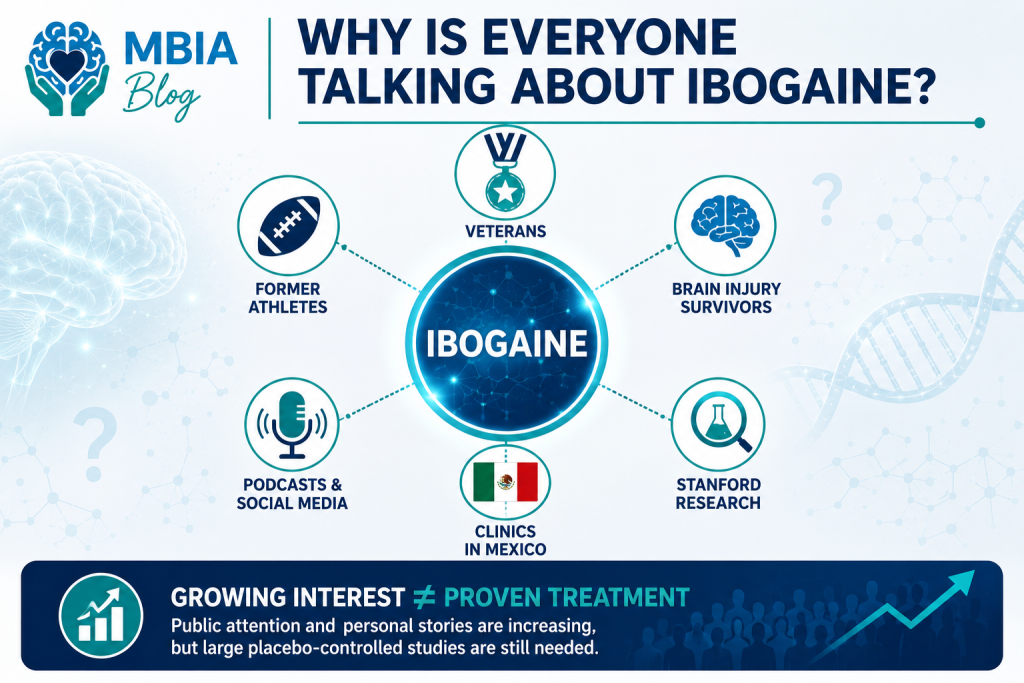
Veterans are travelling to Mexico for treatment.
Podcasts and documentaries describe remarkable recoveries.
But what does the science actually show?
In this article we take an in-depth look at the evidence—what researchers know, what they don't know, and what anyone considering ibogaine should understand before making decisions.
What Is Ibogaine?
Ibogaine is a naturally occurring psychoactive compound found in the root bark of Tabernanthe iboga, a shrub native to parts of Central and West Africa, particularly Gabon, Cameroon and the Republic of the Congo.
For centuries, iboga has been used within traditional spiritual and cultural ceremonies, most notably within the Bwiti tradition of Gabon. In these settings, it has been used as part of initiation rites, healing ceremonies and religious practices. It is important to recognise that these traditional uses occur within specific cultural and spiritual contexts and are very different from modern medical research.
The compound that has attracted scientific interest is ibogaine, one of several naturally occurring alkaloids found within the plant. Ibogaine is classified as a psychoactive substance, meaning it can significantly alter perception, consciousness, emotions and thought processes. Individuals who take ibogaine often report vivid dream-like experiences, intense introspection and altered states of awareness that can last many hours.
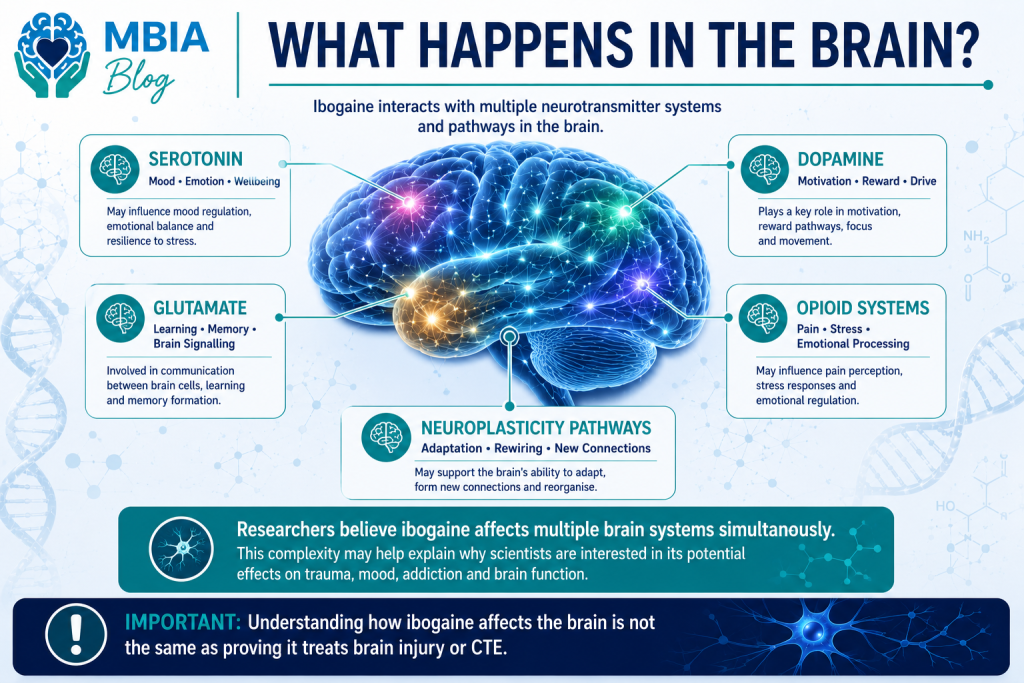
Unlike many medications that act on a single neurotransmitter or receptor, ibogaine affects multiple systems within the brain simultaneously. Research suggests it interacts with serotonin, dopamine, glutamate, opioid and other signalling pathways involved in mood, reward, addiction, learning and emotional processing. This complexity is one of the reasons researchers have become interested in its potential therapeutic applications.
Why Did Researchers Become Interested In Ibogaine?
Modern scientific interest in ibogaine began largely through observations in people struggling with addiction. Some individuals reported reductions in withdrawal symptoms and cravings following ibogaine use, leading researchers to investigate whether it might have potential applications in substance use disorders.
More recently, scientists have become interested in whether ibogaine may influence neuroplasticity – the brain's ability to adapt, reorganise and form new connections. This has led to research exploring its potential effects on conditions such as PTSD, depression, anxiety and symptoms experienced by some people following traumatic brain injury.
Interest in ibogaine increased significantly following the publication of a Stanford University-led study involving US Special Operations veterans with histories of traumatic brain injury, repeated blast exposure and PTSD. The study reported substantial improvements in disability, PTSD, depression and anxiety symptoms following magnesium-assisted ibogaine treatment. While these findings were promising, they represent an early stage of research and require further investigation through larger, controlled clinical trials.
What Ibogaine Is Not
As discussion about ibogaine grows online, it is important to understand what ibogaine is not.
Ibogaine is not a dietary supplement.
It is a powerful psychoactive substance with significant physiological and psychological effects.
Ibogaine is not an approved medication for brain injury, PTSD or CTE.
No regulatory authority in the United Kingdom has approved ibogaine as a treatment for traumatic brain injury, chronic traumatic encephalopathy (CTE), dementia or neurodegenerative disease.
Ibogaine is not available through the NHS.
At the time of writing, ibogaine is not offered as an NHS treatment and is not licensed as a medicine in the United Kingdom.
This distinction is important because growing public interest, personal testimonials and media coverage should not be confused with scientific proof. While researchers continue to investigate ibogaine's potential, it remains an experimental treatment that requires much more research before its benefits and risks can be fully understood.
Key Takeaway
Ibogaine is a naturally occurring psychoactive compound derived from an African plant that has attracted growing scientific interest because of its potential effects on addiction, trauma-related conditions and brain function. However, it is not a supplement, not an approved medical treatment for brain injury or CTE, and is not currently available through the NHS.
Why Veterans Started Paying Attention
To understand why ibogaine has become such a widely discussed topic in brain injury communities, it is important to understand where much of the current interest originated.
Over the past two decades, growing numbers of US military veterans have come forward describing the long-term effects of repeated blast exposure, concussions and traumatic brain injuries sustained during military service. Many Special Operations personnel experienced repeated exposure to explosions, heavy weapons fire, breaching charges and other high-intensity environments that can subject the brain to significant forces, even when no obvious injury is immediately apparent.
While many veterans returned home physically unharmed, some later developed a range of symptoms that are increasingly recognised within both military and civilian brain injury populations.
These symptoms can include:
- Memory and concentration difficulties
- Anxiety and depression
- Sleep disturbances
- Headaches and migraines
- Irritability and emotional regulation problems
- PTSD
- Fatigue
- Cognitive difficulties
- Relationship challenges
For some individuals, these symptoms can persist for years and have a significant impact on quality of life.
The Challenge of Limited Treatment Options
One reason veterans became interested in ibogaine is that many people with persistent symptoms feel that existing treatments do not fully address their needs.
While therapies such as psychological support, rehabilitation, medication, exercise programmes and symptom management can help many individuals, there remains no universally effective treatment for persistent post-traumatic symptoms, blast-related injury or suspected neurodegenerative conditions.
As a result, some veterans began looking beyond conventional healthcare systems in search of additional options.
This search for alternatives is not unique to veterans. Similar patterns can be seen throughout the wider traumatic brain injury and concussion communities, where people living with long-term symptoms often explore experimental treatments in the hope of finding relief.
The Stanford Study Changed The Conversation
Interest in ibogaine increased dramatically following the publication of a Stanford University-led study involving 30 US Special Operations veterans with histories of repeated blast exposure, traumatic brain injury and psychological trauma.
The study reported substantial improvements in disability, PTSD symptoms, depression and anxiety following magnesium-assisted ibogaine treatment.
Although the study was relatively small and was not a randomised placebo-controlled trial, the results attracted significant attention within veteran, brain injury and mental health communities.
For many people, it was the first time they had seen scientific research suggesting that a treatment associated with psychedelic medicine might have potential benefits for individuals living with the long-term consequences of trauma and brain injury.
The Role of Podcasts, Documentaries and Social Media
Scientific studies rarely become widely known without public discussion.
In recent years, ibogaine has been featured in podcasts, documentaries, news articles, veteran advocacy groups and social media platforms. Personal stories shared by veterans describing improvements in their symptoms have been viewed by millions of people worldwide.
Documentaries such as In Waves and War have helped bring the experiences of veterans who received ibogaine treatment to a much wider audience. Podcasts featuring former military personnel, researchers and treatment providers have further increased public awareness and discussion.
For many individuals living with persistent symptoms, these stories provide something that can be difficult to find after years of struggling with health problems: hope.
However, it is important to remember that personal testimonials, while valuable and meaningful, are not the same as scientific proof. Individual experiences can help guide future research, but they cannot establish whether a treatment is effective for the wider population.
Why Are Some Veterans Travelling To Mexico?
One of the most talked-about aspects of the ibogaine story is the number of veterans travelling to Mexico to receive treatment.
Ibogaine is not approved as a medical treatment in the United States, and it is not available through mainstream healthcare systems. As a result, some individuals have chosen to travel to countries where clinics offer ibogaine treatment under different regulatory frameworks.
For some veterans, the decision is driven by persistent symptoms and a desire to explore options that are not available at home. Others are influenced by positive reports from fellow veterans who have already undergone treatment.
It is important to understand that travelling abroad for treatment does not necessarily mean a therapy has been scientifically proven to work. In many cases, it reflects a combination of hope, limited treatment options, growing public awareness and a willingness to try something new when conventional approaches have not provided the desired results.
A Growing Conversation
Today, ibogaine sits at the centre of a growing conversation about brain injury, trauma and mental health.
Supporters point to promising early research and powerful personal stories. Critics highlight the lack of large-scale clinical trials and the potential safety concerns.
Both perspectives are important.
What is clear is that the experiences of veterans have played a major role in bringing ibogaine into the spotlight and encouraging researchers to investigate its potential more closely.
Key Takeaway
Interest in ibogaine grew largely through the experiences of US veterans living with traumatic brain injury, blast exposure and PTSD. Promising early research, personal testimonials, documentaries and media coverage have helped fuel public interest. However, growing attention and individual success stories should not be mistaken for definitive scientific proof, and much more research is still needed.
What Did The Stanford Study Actually Show?
Much of the excitement surrounding ibogaine in the brain injury community can be traced back to a study published in Nature Medicine in 2024 by researchers from Stanford University and their collaborators.
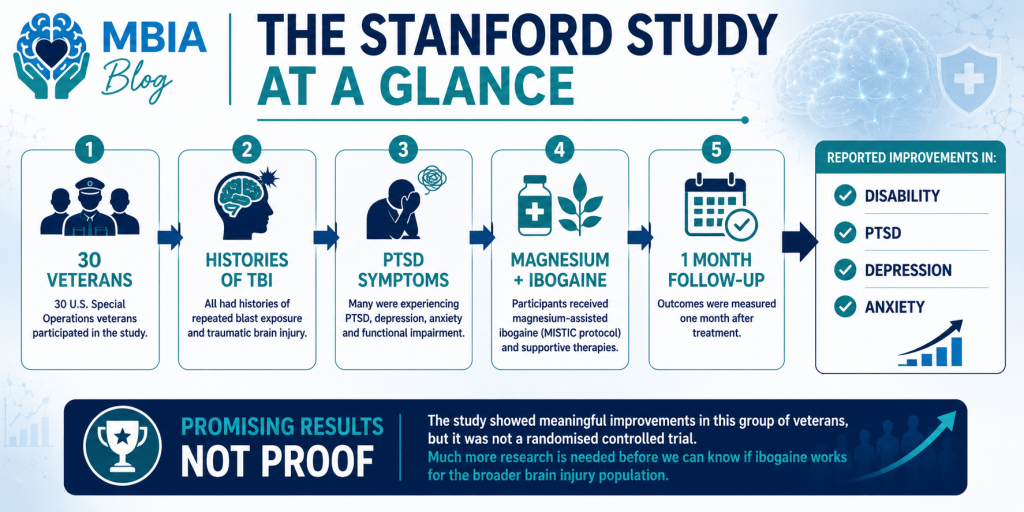
The study followed 30 male US Special Operations veterans who had histories of repeated blast exposure, traumatic brain injury and psychological trauma. Many participants were experiencing significant disability, PTSD, depression and anxiety at the time they received treatment.
The results were striking and understandably attracted considerable attention.
However, to understand what the study means, it is important to distinguish between what it did show and what it did not show.
What The Study DID Show
The most important finding was that participants reported substantial improvements following treatment.
Researchers observed significant reductions in:
✅ Disability
✅ PTSD symptoms
✅ Depression
✅ Anxiety
Many participants described meaningful improvements in their day-to-day functioning and quality of life. The improvements were still present at the one-month follow-up assessment.
These findings suggest that magnesium-assisted ibogaine therapy may have potential therapeutic effects that warrant further scientific investigation.
Importantly, the study demonstrated that further research is justified and that the treatment is worthy of serious scientific attention.
Why The Results Generated So Much Interest
The scale of the reported improvements was larger than many researchers expected.
For veterans who had often struggled with symptoms for years despite multiple conventional treatments, the findings offered something many people had not seen before: the possibility that a new approach might help where others had failed.
This is one of the reasons the study received significant media attention and became widely discussed throughout veteran, concussion and brain injury communities.
However, promising results do not automatically mean a treatment has been proven effective.
To understand why, we need to look at how the study was designed.
What Type Of Study Was It?
The Stanford study was an observational study.
This means researchers observed what happened after participants received treatment, but they did not compare them against a placebo group or randomly assign people to different treatment conditions.
Observational studies are valuable because they can identify important trends and generate new research questions.
However, they sit lower on the scientific evidence hierarchy than large randomised placebo-controlled trials.
This distinction is important because observational studies cannot fully separate the effects of the treatment itself from other factors that may influence outcomes.
What The Study DID NOT Show
While the results were encouraging, the study did not prove several claims that are sometimes made online.
It Did Not Prove Cause And Effect
One of the most common misunderstandings is that the study proved ibogaine caused the improvements.
In reality, the study only demonstrated that improvements occurred after treatment.
Because there was no placebo group and no randomisation, researchers cannot say with certainty how much of the improvement was caused directly by ibogaine, how much may have been influenced by participant expectations, and how much may have been related to other aspects of the treatment experience.
This is why larger controlled trials are needed.
It Did Not Show Long-Term Outcomes
Participants were followed for approximately one month after treatment.
While the improvements observed at one month were encouraging, the study does not tell us what happens six months, one year or five years later.
Questions that remain unanswered include:
- How long do improvements last?
- Do symptoms return over time?
- Are repeat treatments required?
- Are there delayed side effects?
- Are benefits maintained in the long term?
At present, we simply do not know.
It Did Not Show Benefits For Everyone
The study involved a very specific group of participants:
- Male Special Operations veterans
- Histories of repeated blast exposure
- Traumatic brain injury
- Significant PTSD and psychological trauma
This means the findings cannot automatically be applied to:
- Women
- Civilian brain injury survivors
- Sports-related concussion patients
- People with moderate or severe TBI
- Individuals with suspected CTE
- Older adults with dementia
Different populations may respond differently, and further research is needed to determine who may benefit and who may not.
It Did Not Demonstrate A Treatment For CTE
This is perhaps the most important point for many readers.
The study did not investigate chronic traumatic encephalopathy (CTE).
It did not measure CTE pathology.
It did not examine abnormal tau protein accumulation.
It did not assess neurodegeneration.
It did not show that ibogaine prevents dementia.
It did not show that ibogaine slows disease progression.
It did not show that ibogaine reverses CTE.
Although some participants had histories of repeated head trauma, the study was focused on symptoms such as disability, PTSD, anxiety and depression—not on the underlying biological changes associated with CTE.
This distinction is critical because symptom improvement and disease modification are not the same thing.
A treatment may improve mood, anxiety or quality of life without changing the underlying disease process.
The Small Sample Size Matters
Another important limitation is the relatively small number of participants.
Thirty participants can provide useful early data, but it is not enough to draw definitive conclusions about effectiveness or safety across the wider population.
Small studies are more vulnerable to:
- Chance findings
- Selection bias
- Individual differences
- Statistical uncertainty
This is why scientists typically require larger studies involving hundreds or even thousands of participants before strong conclusions can be made.
Why Scientists Are Excited — And Cautious
The Stanford study represents an important step forward in understanding the potential effects of ibogaine.
Researchers were encouraged by the improvements observed and by the possibility that the treatment may help address symptoms that are often difficult to treat.
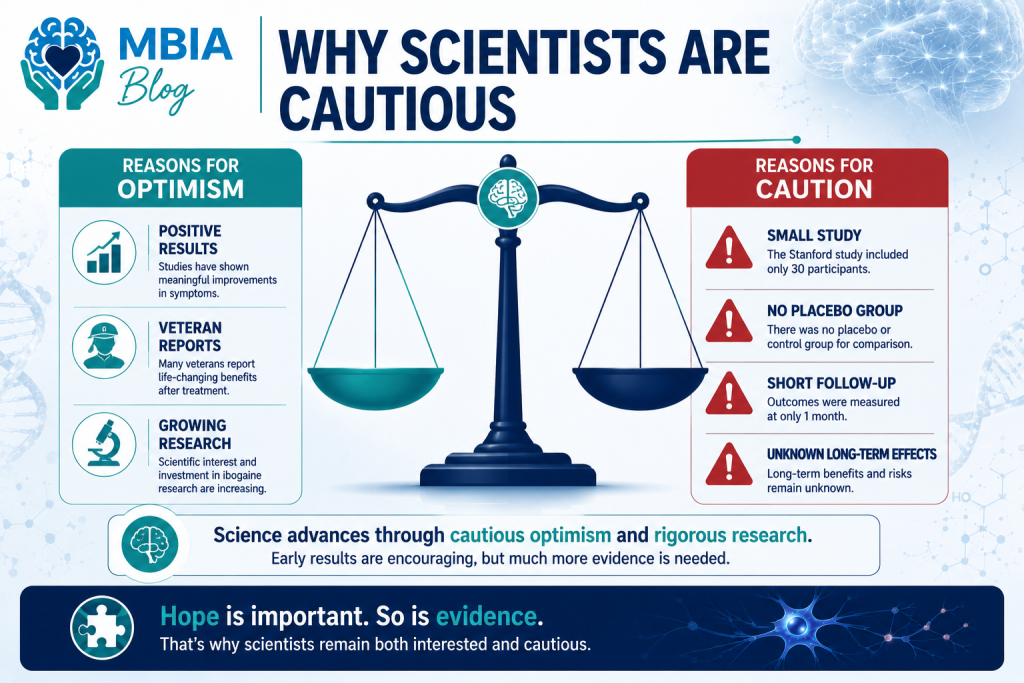
At the same time, scientists recognise the study's limitations and the need for more rigorous research.
The appropriate scientific conclusion is not that ibogaine has been proven to treat brain injury or CTE.
Rather, the study suggests that ibogaine may have potential benefits that deserve further investigation through larger, randomised placebo-controlled trials.
Key Takeaway
The Stanford study showed that participants reported significant improvements in disability, PTSD, depression and anxiety following treatment. However, because it was a small observational study with no placebo group and no randomisation, it cannot prove cause and effect, predict long-term outcomes, demonstrate benefits for everyone, or show that ibogaine treats CTE.
Could Ibogaine Help Brain Injury Symptoms?
One of the biggest questions surrounding ibogaine is whether it could help with the long-term symptoms experienced after traumatic brain injury, concussion, repeated head impacts or blast exposure.
Online discussions sometimes describe ibogaine as a treatment that can “reset” or repair the injured brain. Current research does not support claims that it repairs structural damage or treats the underlying disease process of CTE.
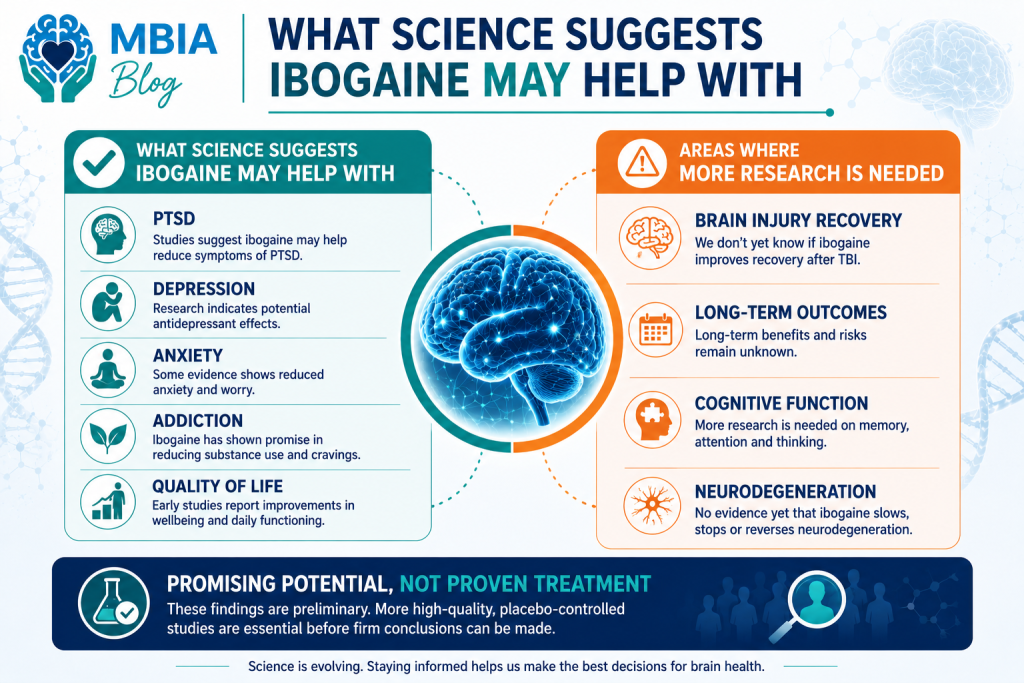
However, early studies suggest that it may affect some symptoms that commonly occur alongside brain injury, particularly PTSD, depression, anxiety and difficulties with day-to-day functioning.
The evidence ratings below reflect the amount and quality of research currently available. They do not mean that ibogaine is proven safe, suitable or effective for everyone.
PTSD
What The Evidence Suggests
PTSD is one of the main reasons ibogaine has attracted attention within the veteran community.
In the Stanford study, 30 male US Special Operations veterans with histories of repeated blast exposure and predominantly mild TBI received magnesium-assisted ibogaine treatment. Researchers reported substantial reductions in PTSD symptoms after treatment.
Participants experienced improvements in areas including:
- Intrusive thoughts and memories.
- Emotional distress.
- Anxiety and hyperarousal.
- Overall psychological wellbeing.
Ibogaine affects several brain systems involved in emotional regulation, fear responses and memory processing. The intense psychological experience associated with treatment may also allow some people to view traumatic memories from a different perspective.
However, the Stanford study did not include a placebo group. This means it cannot prove that ibogaine alone caused the improvements.
We also do not yet know:
- How long the benefits may last.
- Whether similar results would occur in larger studies.
- Whether people outside military populations would respond similarly.
- Which patients may benefit and which may be at greater risk.
Current Evidence Rating
🟡 Limited
The early findings are encouraging, but evidence currently comes from small studies without placebo-controlled comparisons.
Depression
What The Evidence Suggests
Depression frequently occurs alongside brain injury, PTSD, chronic pain, disability and major changes in a person’s independence or identity.
The Stanford study reported significant reductions in depression symptoms following ibogaine treatment. Smaller observational studies and patient reports have also described improvements in mood.
Researchers have suggested several possible explanations, including ibogaine’s effects on:
- Serotonin signalling.
- Dopamine pathways.
- Brain networks involved in mood and motivation.
- Neuroplasticity-related processes.
- Emotional and psychological processing.
Some people report that mood changes occur relatively quickly. However, rapid improvement does not necessarily mean that the underlying causes of depression or brain injury have been resolved.
We still do not know:
- Whether ibogaine is more effective than established depression treatments.
- How long any improvement lasts.
- Whether symptoms return.
- Whether repeat treatment would be needed.
- How much of the response comes from ibogaine, psychological support or the treatment environment.
Current Evidence Rating
🟡 Limited
Improvements have been reported, but there are not yet enough large, controlled studies to establish ibogaine as a treatment for depression.
Anxiety
What The Evidence Suggests
Anxiety is common following concussion and TBI. It may be connected to changes in the brain’s stress systems, difficulty processing information, sensory overload, uncertainty about symptoms or the psychological impact of the injury.
The Stanford study reported meaningful reductions in anxiety symptoms after magnesium-assisted ibogaine treatment.
Some individuals have also described feeling:
- Calmer.
- Less emotionally overwhelmed.
- More able to manage stress.
- Less trapped in repetitive or fearful thoughts.
These changes may be connected to reduced PTSD and depression symptoms rather than a separate direct effect on anxiety.
Researchers still need to establish:
- Whether improvements continue beyond the short follow-up periods used in current studies.
- Whether similar effects occur across different anxiety disorders.
- Whether the benefits can be reproduced in larger groups.
- How much of the improvement is directly caused by ibogaine.
Current Evidence Rating
🟡 Limited
Early results suggest possible benefits, but the evidence is not yet strong enough to confirm effectiveness.
Functional Impairment
What The Evidence Suggests
One of the most interesting findings from the Stanford study involved improvements in disability and day-to-day functioning.
Functional impairment describes the practical effect that symptoms have on a person’s life. It may include difficulties with:
- Managing everyday responsibilities.
- Maintaining relationships.
- Working or studying.
- Organising tasks.
- Taking part in social activities.
- Living independently.
- Coping with emotional and cognitive demands.
Participants in the study reported considerable improvements in disability scores after treatment.
This is important because people living with brain injury are often less concerned with a score on a symptom questionnaire than with whether they can function better in real life.
However, the study did not prove that ibogaine repaired brain damage or restored lost cognitive abilities.
Improved functioning could have resulted from several factors, including:
- Reduced PTSD symptoms.
- Improved mood.
- Lower anxiety.
- Greater motivation.
- Improved confidence.
- Better emotional regulation.
It remains unclear whether ibogaine directly changed neurological function or whether participants functioned better because their psychological symptoms had improved.
Current Evidence Rating
🟡 Limited
The reported improvements were significant, but they came from a small, uncontrolled study and do not demonstrate physical repair of the brain.
Addiction
What The Evidence Suggests
Addiction is the area in which ibogaine has the longest history of research and clinical interest.
Attention first grew after people reported that ibogaine reduced opioid withdrawal symptoms and cravings. Researchers have since investigated its possible role in:
- Opioid dependence.
- Alcohol dependence.
- Cocaine and stimulant use.
- Other substance-use disorders.
Several observational studies suggest that ibogaine may reduce acute opioid withdrawal symptoms and temporarily reduce cravings in some people.
It may also interrupt established patterns of substance use by affecting dopamine, opioid and other signalling systems involved in reward and dependence.
This may be particularly relevant to some people with brain injuries. Persistent pain, sleep problems, PTSD and emotional distress can increase vulnerability to alcohol or drug misuse. However, that does not mean ibogaine is appropriate for everyone experiencing addiction.
Important limitations remain:
- Many studies involve small numbers of participants.
- Few have used randomisation or placebo controls.
- Some research has been conducted in private clinics rather than conventional medical settings.
- Long-term relapse rates remain uncertain.
- Serious heart risks complicate treatment, particularly when other substances are present.
Ibogaine is not currently an established standard treatment for addiction, and it should not be viewed as a replacement for ongoing medical, psychological or social support.
Current Evidence Rating
🟢 Moderate
Addiction has the largest body of ibogaine research, particularly for opioid withdrawal and cravings. However, the evidence is still weaker than that required for an approved mainstream treatment, and major safety questions remain.
Where Is There No Evidence?
Research into symptom relief should not be confused with evidence that ibogaine repairs the injured brain.
There is currently no reliable human evidence that ibogaine:
- Repairs damaged neurons.
- Reverses structural brain injury.
- Restores lost brain tissue.
- Removes abnormal tau protein.
- Stops neurodegeneration.
- Prevents dementia.
- Reverses or cures CTE.
Current Evidence Rating
🔴 No evidence
These claims go beyond what has been demonstrated in published human research.
Symptom Improvement Is Not The Same As Brain Repair
This distinction is essential.
A person may experience less anxiety without structural brain damage being reversed.
Someone may function better because their PTSD or depression has improved, even though the underlying effects of their brain injury remain.
A treatment may improve quality of life without stopping neurodegeneration or changing CTE pathology.
Researchers describe this as the difference between:
Symptomatic treatment: helping someone feel or function better.
Disease-modifying treatment: changing or stopping the biological processes causing the condition.
Current ibogaine research is mainly exploring potential symptom improvement. It has not established ibogaine as a disease-modifying treatment for TBI or CTE.
What Can We Conclude?
The most encouraging evidence relates to addiction, followed by early findings involving PTSD, depression, anxiety and functional impairment.
These results are important and justify further research.
However, most studies remain small, short-term and observational. Larger randomised controlled trials are needed to establish how effective ibogaine may be, how long any benefits last, who might benefit and how the risks can be managed.
What About CTE?
For many people reading this article, the most important question is not whether ibogaine might help symptoms such as anxiety, depression or PTSD.
The question is:
Can ibogaine treat CTE?
At the time of writing, the honest scientific answer is:
We do not know.
More importantly, there is currently no evidence that it does.
This distinction is critical because many of the claims circulating on social media go far beyond what the science currently supports.
To understand why, it helps to first understand what CTE actually is.
What Is CTE?
Chronic Traumatic Encephalopathy (CTE) is a progressive neurodegenerative disease associated with repeated head impacts, including both concussions and repetitive subconcussive blows.
Unlike a concussion, which is an injury event, CTE refers to a disease process that develops over many years.
Researchers believe CTE involves several interconnected biological changes within the brain.
Abnormal Tau Accumulation
The hallmark feature of CTE is the build-up of an abnormal protein called tau.
Tau normally helps stabilise the internal structure of neurons. However, when tau becomes abnormally phosphorylated, it can accumulate and form toxic deposits within the brain.
These deposits can disrupt communication between neurons and contribute to cell dysfunction and death.
The abnormal pattern of tau accumulation seen in CTE is one of the key features used to diagnose the disease during post-mortem examination.
Neurodegeneration
CTE is considered a neurodegenerative disease because it involves the gradual loss of neurons and neural connections over time.
As the disease progresses, this neurodegeneration can affect memory, thinking, emotional regulation and behaviour.
Not everyone exposed to repeated head impacts develops CTE, and researchers are still working to understand why some individuals appear more vulnerable than others.
Chronic Inflammation
Research suggests that long-term inflammation within the brain may play an important role in CTE.
Following head trauma, the brain activates immune cells called microglia. While this response is designed to protect the brain, chronic activation may contribute to ongoing tissue damage and disease progression.
Inflammation is therefore considered one of several biological processes that may contribute to the development and progression of CTE.
Brain Tissue Loss
Advanced CTE has been associated with shrinkage (atrophy) of certain brain regions, enlargement of the brain's fluid-filled spaces and loss of brain tissue.
These structural changes can affect networks involved in memory, emotional regulation, decision-making and behaviour.
It is important to recognise that these changes develop over years or even decades and are not simply the result of a single concussion.
What Evidence Exists For Ibogaine In CTE?
This is where the conversation often becomes confusing.
Some people living with suspected CTE have reported improvements in symptoms after receiving ibogaine treatment.
Others have shared powerful personal stories describing improvements in mood, anxiety, sleep, relationships or overall quality of life.
These experiences are important and deserve to be heard.
However, symptom improvement is not the same as demonstrating a treatment effect on the disease itself.
At present, there are no published human studies showing that ibogaine changes the underlying pathology of CTE.
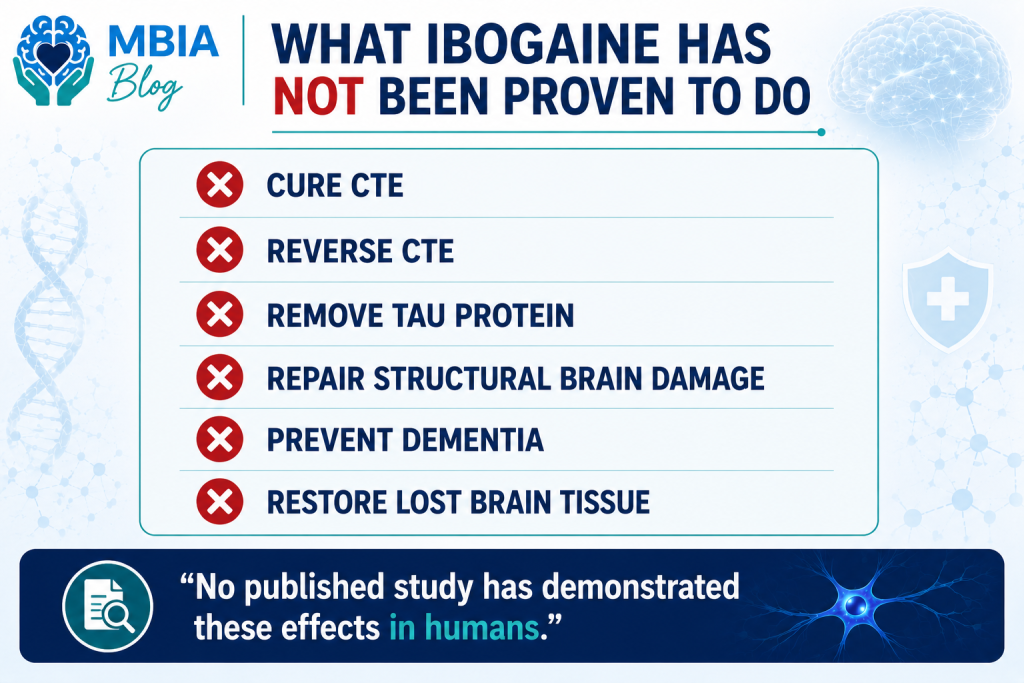
What Ibogaine Has NOT Been Proven To Do
Despite some of the claims found online, there is currently no scientific evidence that ibogaine:
❌ Removes abnormal tau protein.
❌ Prevents tau accumulation.
❌ Stops neurodegeneration.
❌ Prevents dementia.
❌ Restores neurons that have been lost.
❌ Reverses brain atrophy.
❌ Repairs structural brain damage.
❌ Reverses CTE.
❌ Cures CTE.
No published human study has demonstrated any of these effects.
This is one of the most important facts for patients and families to understand.
Symptom Improvement Is Not The Same As Disease Modification
One reason confusion occurs is because people often assume that feeling better means the disease itself has been reversed.
Unfortunately, biology is not always that straightforward.
For example:
A treatment may reduce anxiety without changing neurodegeneration.
A treatment may improve sleep without removing tau protein.
A treatment may improve quality of life without preventing dementia.
A treatment may reduce PTSD symptoms without altering the underlying disease process.
This is why scientists distinguish between:
Symptomatic Treatment
Improving symptoms and quality of life.
and
Disease-Modifying Treatment
Changing the underlying biology of a disease.
At present, any potential benefits of ibogaine appear to fall into the first category.
There is currently no evidence that it belongs in the second.
Could Future Research Change This?
Possibly.
Scientists remain interested in understanding whether ibogaine's effects on neuroplasticity, inflammation and brain signalling pathways could have broader implications for neurological disease.
However, these ideas remain largely theoretical at present.
Before researchers could claim that ibogaine affects CTE pathology, they would need studies demonstrating changes in biomarkers, brain imaging findings, tau accumulation or long-term disease progression.
Those studies have not yet been performed.
Why This Matters
Many people living with suspected CTE feel frightened, frustrated and desperate for answers.
This is completely understandable.
When conventional medicine offers limited treatment options, it is natural to look for new possibilities and to feel hopeful when hearing positive stories from others.
Hope is important.
But hope should be accompanied by accurate information.
People deserve to know not only what a treatment might do, but also what it has not yet been shown to do.
That allows individuals and families to make informed decisions based on evidence rather than expectations.
Key Takeaway
CTE is a complex neurodegenerative disease involving abnormal tau accumulation, chronic inflammation, neurodegeneration and loss of brain tissue. While some individuals report improvements in symptoms after ibogaine treatment, there is currently no scientific evidence that ibogaine removes tau, stops neurodegeneration, prevents dementia or reverses CTE. At present, claims that ibogaine treats the underlying disease process of CTE remain unproven.
The Safety Concerns Most People Don't Talk About
Much of the public discussion surrounding ibogaine focuses on the potential benefits.
Social media posts, podcasts, documentaries and personal testimonials often highlight stories of people who experienced significant improvements in their symptoms following treatment.
What is discussed less frequently are the potential risks.
This does not mean ibogaine is inherently dangerous or that people should automatically avoid it. However, it does mean that anyone considering ibogaine should understand that it is not a low-risk supplement or wellness treatment.
Like many powerful medical interventions, ibogaine has both potential benefits and potential risks.
Understanding both is essential for making informed decisions.
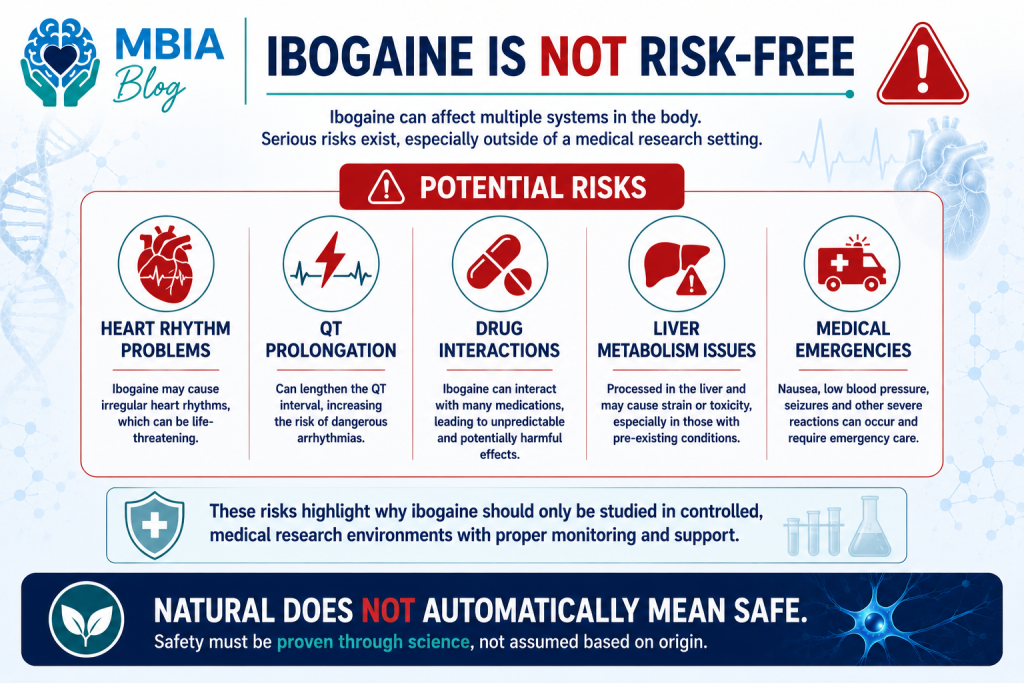
The Most Significant Concern: The Heart
The most important safety issue identified by researchers relates to the cardiovascular system.
Specifically, ibogaine has been shown to affect the electrical activity of the heart.
This effect can be measured using an electrocardiogram (ECG), a test that records the heart's electrical signals.
While many people undergo ibogaine treatment without experiencing serious cardiac complications, researchers have documented potentially dangerous heart rhythm abnormalities in some individuals.
For this reason, cardiac safety has become one of the most closely monitored aspects of ibogaine research.
What Is QT Prolongation?
One term that frequently appears in discussions about ibogaine safety is QT prolongation.
The QT interval is a measurement on an ECG that reflects how long it takes the heart's electrical system to recharge between beats.
If the QT interval becomes excessively prolonged, the heart can become more vulnerable to abnormal rhythms.
Researchers have repeatedly demonstrated that ibogaine can prolong the QT interval.
This does not mean everyone who takes ibogaine will develop a dangerous arrhythmia.
However, it does mean that the risk must be taken seriously.
The degree of risk varies depending on the individual and a range of other health factors.
Why Does QT Prolongation Matter?
In some circumstances, significant QT prolongation can lead to a potentially life-threatening heart rhythm disturbance known as Torsades de Pointes.
This abnormal rhythm can cause:
- Dizziness
- Fainting
- Collapse
- Cardiac arrest
- Sudden death
Fortunately, these severe complications are uncommon.
However, because they can occur, researchers and clinicians consider cardiac monitoring to be essential when ibogaine is administered.
The goal is not to create fear but to recognise that the risk is real and should be managed appropriately.
Have Serious Adverse Events Been Reported?
Yes.
Published medical literature contains reports of serious cardiac complications associated with ibogaine use, including cases of cardiac arrest and death.
Many of these cases involved additional risk factors such as:
- Pre-existing heart disease
- Electrolyte abnormalities
- Liver dysfunction
- Drug interactions
- High doses
- Multiple substances being used simultaneously
In some cases, limited medical supervision may also have contributed.
Importantly, these reports do not mean that severe complications are inevitable.
What they do demonstrate is that ibogaine should be treated as a powerful pharmacological substance rather than a harmless natural remedy.
Why Medical Screening Matters
One of the most important lessons from both clinical research and adverse event reports is the need for thorough medical screening.
Before treatment, reputable providers typically assess factors such as:
Cardiac Health
Individuals with certain heart conditions may be at significantly higher risk of complications.
This is why cardiac evaluation is often considered essential.
Medications
Many commonly prescribed medications can also affect the QT interval.
Potential interactions need to be carefully reviewed.
Examples may include:
- Some antidepressants
- Certain antipsychotics
- Some antibiotics
- Various heart medications
Stopping or adjusting medications should never be done without medical guidance.
Liver Function
Ibogaine is metabolised by the liver.
Underlying liver problems may affect how the drug is processed and increase the risk of adverse effects.
Electrolyte Levels
Abnormal potassium, magnesium or calcium levels can increase the likelihood of dangerous arrhythmias.
Routine blood testing may help identify these risks before treatment.
Why ECG Monitoring Is Important
Because of the known cardiac effects of ibogaine, many researchers believe ECG monitoring should be considered a minimum safety requirement.
ECG testing can:
- Identify existing rhythm abnormalities.
- Detect prolonged QT intervals.
- Help determine whether an individual may be at increased risk.
- Monitor for changes during treatment.
This is one reason why responsible clinical research protocols place significant emphasis on cardiac assessment and monitoring.
The goal is not to eliminate all risk—which is impossible with any medical intervention—but to reduce risk as much as possible.
The Importance Of Proper Medical Supervision
One of the clearest conclusions from the scientific literature is that ibogaine should not be viewed as a self-treatment or do-it-yourself intervention.
Research protocols typically involve:
- Medical screening
- ECG assessment
- Medication review
- Monitoring during treatment
- Access to emergency medical care if required
These safeguards exist because researchers recognise that ibogaine affects multiple systems within the body, not just the brain.
Any discussion of ibogaine that focuses only on potential benefits while ignoring safety considerations presents an incomplete picture.
Balancing Potential Benefits And Risks
When discussing emerging treatments, it is easy for conversations to become polarised.
Some people describe ibogaine as a miracle treatment.
Others dismiss it as too dangerous to consider.
The scientific reality is more nuanced.
There is legitimate interest in ibogaine because early research suggests it may have potential therapeutic benefits.
At the same time, there are legitimate safety concerns that require careful consideration.
The existence of risk does not automatically mean a treatment has no value.
Equally, potential benefits do not eliminate the need for caution.
The challenge for researchers is determining whether the potential benefits outweigh the risks, and for which patients.
That is precisely why larger clinical trials and rigorous safety studies remain so important.
Natural Does Not Automatically Mean Safe
One of the most common misconceptions surrounding ibogaine is the idea that because it comes from a plant, it must be safe.
In reality, many naturally occurring substances can have powerful biological effects, both beneficial and harmful.
Ibogaine is best understood as a potent psychoactive compound with significant effects on both the brain and the body.
Its natural origin does not remove the need for scientific evaluation, medical screening or appropriate safety precautions.
Why Are People Travelling To Mexico?
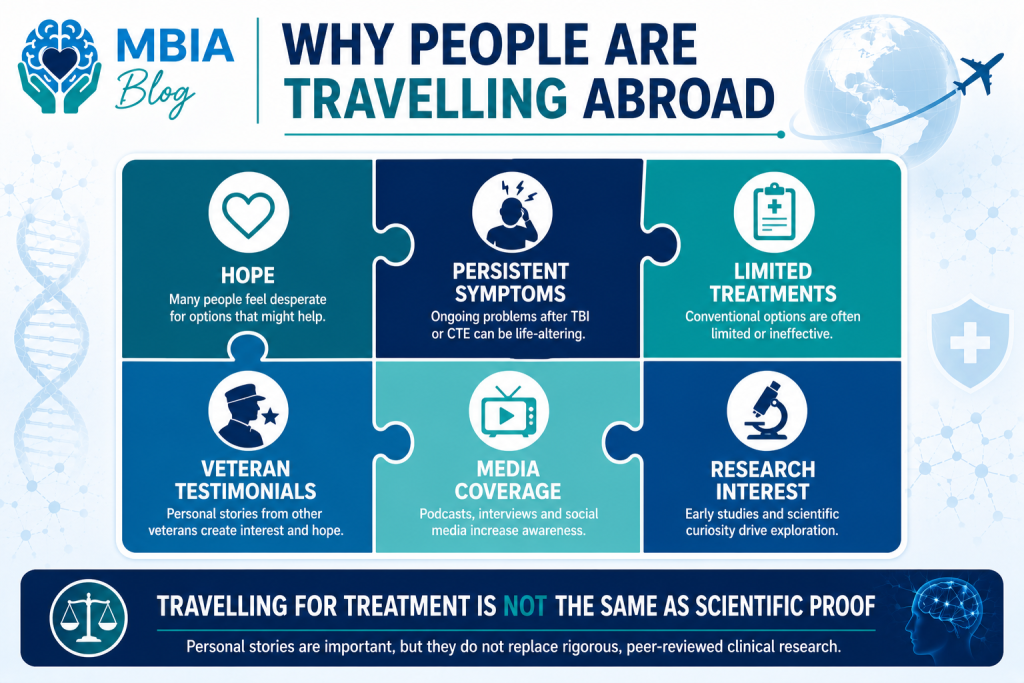
One of the most talked-about aspects of the ibogaine story is not the science itself, but the growing number of people travelling abroad to access treatment.
In documentaries, podcasts, news reports and social media discussions, stories of military veterans, former athletes and people living with long-term brain injury symptoms travelling to clinics in Mexico have become increasingly common.
For some observers, this raises an obvious question:
Why are people travelling thousands of miles for a treatment that is not available through mainstream healthcare systems?
The answer is complex and involves a combination of legal, medical and personal factors.
The Legal Situation In The United States
One of the primary reasons people travel abroad for ibogaine treatment is that ibogaine is not approved as a medical treatment in the United States.
Although researchers continue to study ibogaine and several states have expressed interest in supporting further research, it is not currently available through conventional US healthcare systems.
This means that people who wish to access ibogaine treatment often need to travel to countries where clinics operate under different legal and regulatory frameworks.
Mexico has become one of the most well-known destinations because some clinics have offered ibogaine treatment there for many years.
It is important to understand that a treatment being unavailable in one country does not automatically mean it is ineffective. Equally, availability in another country does not automatically prove effectiveness.
Legal status and scientific evidence are separate issues.
The Challenge Of Limited Treatment Options
Many people seeking ibogaine treatment have spent years trying to find relief from persistent symptoms.
Some veterans live with ongoing PTSD, anxiety, depression, sleep disturbances and cognitive difficulties despite receiving multiple forms of treatment.
Similarly, many individuals living with traumatic brain injury, post-concussion syndrome or suspected CTE report frustration with the lack of available treatment options.
While rehabilitation, medication, psychological support and lifestyle interventions can be beneficial, they do not work equally well for everyone.
For some individuals, the search for additional options becomes a natural response to years of ongoing symptoms.
This context is important because it helps explain why interest in emerging treatments continues to grow.
Hope Can Be A Powerful Motivator
When people have been struggling for years, hope becomes incredibly important.
Many of the veterans featured in documentaries and interviews describe feeling as though they had exhausted conventional options before exploring ibogaine.
Some had tried multiple medications.
Others had undergone extensive therapy.
Many continued to experience symptoms that significantly affected their quality of life.
In these circumstances, it is understandable that people become interested in treatments that are generating positive headlines or attracting attention within their communities.
Seeking hope is a very human response.
Recognising this does not require agreement or disagreement with any particular treatment—it simply acknowledges the reality many patients face.
The Influence Of Personal Testimonials
Personal stories have played a major role in the growth of ibogaine's popularity.
Veterans sharing their experiences through podcasts, documentaries and social media have introduced millions of people to the treatment.
For someone who has lived with debilitating symptoms for years, hearing another person describe significant improvement can be incredibly powerful.
Personal experiences can provide encouragement and help identify areas worthy of further research.
However, it is important to remember that individual testimonials are not the same as scientific evidence.
A positive experience tells us what happened to one person.
Scientific studies are needed to determine:
- Whether similar outcomes occur consistently.
- How often benefits occur.
- How long benefits last.
- Which patients may benefit.
- Which patients may be at increased risk.
Both personal stories and scientific research have value, but they serve different purposes.
Media Coverage Has Increased Public Awareness
Interest in ibogaine has also been driven by increasing media attention.
Documentaries, news reports and long-form interviews have highlighted the experiences of veterans who report substantial improvements following treatment.
These stories have helped bring attention to an area of research that was largely unknown to the general public only a few years ago.
Media coverage can play an important role in raising awareness and encouraging scientific investigation.
However, media stories often focus on extraordinary outcomes because those stories are compelling and memorable.
Scientific research, by contrast, aims to understand what happens across larger groups of people, including both positive and negative outcomes.
For this reason, media coverage should be viewed as one part of the conversation rather than a substitute for scientific evidence.
Travelling For Treatment Is Not The Same As Scientific Proof
One of the most important points to understand is that people travelling abroad for treatment does not, by itself, prove that a treatment works.
History contains many examples of people travelling internationally to access experimental therapies before definitive evidence became available.
Sometimes those treatments ultimately prove beneficial.
Sometimes they do not.
The act of travelling reflects interest, demand and hope—but it does not answer scientific questions about effectiveness or safety.
Those questions can only be answered through carefully designed research studies.
Why Balanced Decision-Making Matters
The growing interest in ibogaine highlights an important challenge faced by many people living with chronic health conditions.
On one hand, dismissing emerging treatments simply because they are new may prevent potentially valuable discoveries.
On the other hand, accepting extraordinary claims without sufficient evidence can create unrealistic expectations and expose people to unnecessary risks.
The most constructive approach lies somewhere in the middle.
It is possible to remain hopeful about emerging research while also recognising its limitations.
It is possible to be open-minded while still asking critical questions.
And it is possible to support further investigation without assuming that a treatment has already been proven.
What Can We Conclude?
People are travelling to Mexico for ibogaine treatment for a variety of reasons, including legal restrictions in the United States, limited treatment options, ongoing symptoms, personal recommendations and growing public awareness.
For many individuals, the decision is driven by a desire to find relief after years of struggling with conditions that can significantly impact quality of life.
These experiences deserve understanding rather than judgement.
At the same time, it is important to remember that travelling abroad for treatment is not evidence that a therapy has been scientifically proven to work.
The role of research is to determine which treatments are effective, which are safe and which patients may benefit most.
Key Takeaway
People travel to Mexico for ibogaine treatment for many reasons, including legal restrictions, limited treatment options, persistent symptoms and positive reports from others who have undergone treatment. While these factors help explain the growing interest in ibogaine, they should not be confused with scientific proof of effectiveness. The need for balanced, evidence-based decision-making remains as important as ever.
Where Does Research Go From Here?
The current evidence surrounding ibogaine raises important questions—but it also creates an opportunity.
Early studies have reported encouraging improvements in PTSD, depression, anxiety, cognition and day-to-day functioning among some veterans with histories of repeated blast exposure and predominantly mild traumatic brain injury.
However, the research remains at an early stage.
The next step is not to declare ibogaine a breakthrough treatment. It is to test the early findings through larger, better-controlled and longer-term studies.
That process is beginning to attract greater scientific and political interest.
Building On The Early Veteran Studies
The Stanford MISTIC study was an important starting point.
It followed 30 male US Special Operations veterans who received magnesium-assisted ibogaine treatment and reported improvements in disability, PTSD, depression, anxiety and aspects of cognition.
The findings were significant enough to justify further investigation, but the study was observational. It did not randomly assign participants to treatment and placebo groups, and follow-up lasted only one month.
Future veteran studies will need to answer questions such as:
- Can the findings be reproduced in larger groups?
- How long do improvements last?
- Do symptoms return over time?
- Would similar results be seen in conventional military personnel, first responders or civilians?
- Which symptoms respond most consistently?
- Which individuals are most likely to benefit?
- Who may face unacceptable medical risks?
Researchers will also need to separate the effects of ibogaine from the influence of psychological support, expectations, travel, complementary therapies and the overall treatment environment.
Texas Has Committed Public Funding To Ibogaine Research
A major development occurred in June 2025, when Texas Governor Greg Abbott signed Senate Bill 2308 into law.
The legislation created a state-supported programme offering matching funds for research intended to advance ibogaine through the US Food and Drug Administration’s drug-development process. The programme is focused on conditions including substance-use disorders, traumatic brain injury and other neurological or mental health conditions.
Reports surrounding the legislation described a potential state commitment of up to $50 million, dependent on matching private funding.
This does not mean that Texas has approved ibogaine as a treatment.
It means the state has decided that the early evidence is important enough to support formal research.
That distinction matters.
Public investment may make it possible to conduct trials that are larger, more rigorous and better regulated than many previous ibogaine studies.
More Universities May Become Involved
Stanford’s research helped move ibogaine from private clinics and personal testimony into mainstream academic discussion.
Growing funding and public interest could encourage additional universities, hospitals and research centres to investigate the treatment independently.
Independent replication is essential.
One research group reporting promising results is not enough to establish whether a treatment works. Similar findings need to be reproduced by different teams, in different settings and with different groups of participants.
More university involvement could also bring together specialists in:
- Neurology.
- Psychiatry.
- Addiction medicine.
- Cardiology.
- Neuroimaging.
- Traumatic brain injury.
- Clinical pharmacology.
- Veteran health.
This wider expertise will be particularly important because ibogaine affects both the brain and the cardiovascular system.
Future Trials Need Stronger Designs
The most useful future studies would be randomised controlled trials.
In this type of research, participants are assigned to different groups so that investigators can compare ibogaine with a placebo, another treatment or standard care.
This could help answer whether improvements are truly caused by ibogaine rather than by expectations, intensive support or other parts of the treatment experience.
Future trials should ideally include:
- Larger and more diverse groups.
- Women as well as men.
- Civilian and military participants.
- Appropriate comparison groups.
- Independent outcome assessors.
- Follow-up lasting six months, one year or longer.
- Transparent reporting of both benefits and adverse events.
- Measures of everyday functioning as well as symptom scores.
Researchers will also need to decide whether different conditions should be studied separately. A trial for opioid dependence may require a very different design from one examining PTSD or persistent symptoms after TBI.
Biomarkers Could Help Separate Symptom Relief From Brain Repair
One of the most important future research questions is whether ibogaine only improves symptoms or whether it produces measurable biological changes.
This is where biomarker research could become valuable.
A biomarker is an objective biological measurement that may show what is happening inside the body or brain.
Researchers could potentially investigate:
- Blood markers associated with inflammation or neural injury.
- Changes in stress hormones.
- Measures of neuroplasticity.
- Electrical brain activity.
- Cognitive testing.
- Advanced MRI findings.
- Changes in brain-network connectivity.
- Markers associated with neurodegeneration.
Biomarker studies could help determine whether reported improvements reflect changes in mood and trauma symptoms, changes in brain function, or a combination of both.
However, biomarkers must be interpreted carefully. A change on a scan or blood test does not automatically prove that damaged brain tissue has been repaired.
Brain Imaging May Provide More Objective Evidence
Brain imaging could also play an important role in future research.
Advanced MRI and other imaging methods may allow researchers to investigate whether treatment is associated with changes in:
- Brain connectivity.
- Cortical structure.
- Blood flow.
- Neural-network activity.
- Regions involved in memory, mood and emotional regulation.
Researchers connected with Stanford have continued to examine neurological and imaging-related outcomes following magnesium-ibogaine treatment in veterans.
These investigations may provide useful clues, but they will still need confirmation in larger controlled studies.
Crucially, imaging research would need to distinguish between improved brain functioning and reversal of structural injury. Those are not necessarily the same thing.
CTE Research Would Require A Different Level Of Evidence
Research into PTSD or depression cannot answer whether ibogaine affects CTE.
To investigate that question, researchers would need studies specifically designed around neurodegeneration and CTE-related biology.
They may eventually examine:
- Tau-related biomarkers.
- Neuroinflammation.
- Progressive changes in brain structure.
- Cognitive decline over several years.
- Whether treatment alters the expected course of disease.
This would be difficult because CTE can currently only be definitively diagnosed after death.
Researchers may therefore need to study people considered at increased risk, while using carefully validated biomarkers and long-term clinical follow-up.
Until studies like these are completed, claims that ibogaine removes tau, stops CTE progression or prevents dementia remain unsupported.
Better Safety Protocols Must Be Central To Future Research
Safety cannot be treated as a secondary issue.
Ibogaine can prolong the QT interval and increase the risk of dangerous heart rhythm disturbances. Published reports have linked its use with serious medical emergencies, including cardiac arrest and death.
Future trials will need clear protocols covering:
- Full medical histories.
- Baseline ECG testing.
- Continuous or repeated cardiac monitoring.
- Electrolyte testing and correction.
- Liver-function assessment.
- Medication and substance-interaction reviews.
- Dose standardisation.
- Emergency equipment and trained medical staff.
- Follow-up after participants leave the treatment setting.
The magnesium used in the Stanford protocol was intended to reduce cardiac risk, but this approach still needs broader study. It should not be interpreted as removing the risk completely.
Better safety research may also help identify who should not receive ibogaine.
Researchers Need To Understand Who Benefits—and Who Does Not
One of the dangers of early research is that positive average results can hide large differences between individuals.
Some people may experience substantial improvements.
Others may experience little benefit.
A smaller number may experience significant adverse effects.
Future research should investigate whether outcomes are influenced by:
- The type and severity of brain injury.
- Time since injury.
- PTSD severity.
- Substance-use history.
- Heart or liver health.
- Current medication.
- Age and sex.
- Genetics and metabolism.
- The quality of preparation and follow-up support.
Understanding these differences could eventually allow researchers to identify patients for whom the potential benefits may outweigh the risks.
Long-Term Follow-Up Will Be Essential
A treatment that produces dramatic improvement for several weeks may still be valuable.
But researchers also need to know what happens months or years later.
Long-term studies should examine:
- Whether symptom improvements continue.
- Whether further treatment is needed.
- Whether people return to work or education.
- Whether relationships and independence improve.
- Whether substance use or mental health symptoms return.
- Whether any delayed adverse effects emerge.
- Whether there is any effect on cognitive decline or neurodegeneration.
This is particularly important when studying progressive conditions such as suspected CTE.
One-month outcomes cannot tell us whether a treatment changes a person’s long-term neurological future.
A Reason For Cautious Optimism
Ibogaine research is moving into a new phase.
The Stanford findings brought scientific attention to an area previously dominated by personal reports and overseas clinics. Texas funding could now support more formal drug development, while growing university interest may bring better trials, stronger safety standards and more objective biological measurements.
That is encouraging.
But research progresses by asking difficult questions—not by assuming the answer in advance.
The coming studies must determine:
- Whether the early benefits can be replicated.
- Whether they last.
- Whether ibogaine is safer under tightly controlled medical conditions.
- Which conditions it may genuinely help.
- Whether it improves symptoms without changing underlying brain disease.
- Whether any evidence eventually emerges for effects on neurodegeneration.
Hope Requires Evidence
For people living with traumatic brain injury, post-concussion syndrome or probable CTE, it is completely understandable to feel hopeful when hearing stories of remarkable recovery.
Hope matters.
But hope should always be matched by evidence.
At present, ibogaine is one of the most promising experimental treatments being investigated for PTSD and certain symptoms experienced after traumatic brain injury.
It is not, however, a proven treatment for CTE.
There is currently no evidence that it removes tau, reverses neurodegeneration or prevents dementia.
The coming years will almost certainly bring larger clinical trials and a much better understanding of who may benefit, who may not, and how treatment can be delivered as safely as possible.
Until then, the most balanced position is one of cautious optimism.
Researchers should continue studying ibogaine.
Patients deserve honest information.
And every decision should be based on evidence—not hype.
References
- Ambrose, T., et al. (2024). Magnesium–Ibogaine Therapy in Veterans with Traumatic Brain Injury, PTSD, Anxiety and Depression. Nature Medicine, 30, 270–278.
https://doi.org/10.1038/s41591-023-02705-w - Brown, T.K. (2013). Ibogaine in the treatment of substance dependence. Current Drug Abuse Reviews, 6(1), 3–16.
https://doi.org/10.2174/1874473706666130108163747 - Mash, D.C., Kovera, C.A., Buck, B.E., et al. (2001). Medication development of ibogaine as a pharmacotherapy for opioid dependence. Annals of the New York Academy of Sciences, 914, 394–401.
https://doi.org/10.1111/j.1749-6632.2000.tb05221.x - Alper, K.R., Lotsof, H.S., Kaplan, C.D. (2008). The ibogaine medical subculture. Journal of Ethnopharmacology, 115(1), 9–24.
https://doi.org/10.1016/j.jep.2007.08.034 - Koenig, X., Hilber, K. (2015). The anti-addiction drug ibogaine and the heart: A delicate relation. Molecules, 20(2), 2208–2228.
https://doi.org/10.3390/molecules20022208 - Corkery, J.M., et al. (2018). The adverse effects and toxicity of ibogaine: A review of the literature. Journal of Psychopharmacology, 32(7), 713–727.
https://doi.org/10.1177/0269881118788956 - Mash, D.C., et al. (2018). Ibogaine: Complex pharmacokinetics, concerns for safety and preliminary efficacy. Expert Review of Clinical Pharmacology, 11(10), 959–968.
https://doi.org/10.1080/17512433.2018.1517740
Traumatic Brain Injury & PTSD
- National Institute of Neurological Disorders and Stroke (NINDS). Traumatic Brain Injury Information Page.
- McInnes, K., et al. (2017). Mild Traumatic Brain Injury (mTBI) and chronic cognitive impairment: A scoping review. PLoS ONE, 12(4), e0174847.
https://doi.org/10.1371/journal.pone.0174847 - Department of Veterans Affairs / Department of Defense (VA/DoD). (2021). Clinical Practice Guideline for the Management and Rehabilitation of Post-Acute Mild Traumatic Brain Injury.
Chronic Traumatic Encephalopathy (CTE)
- McKee, A.C., et al. (2016). The first NINDS/NIBIB consensus meeting to define neuropathological criteria for the diagnosis of Chronic Traumatic Encephalopathy. Acta Neuropathologica, 131, 75–86.
https://doi.org/10.1007/s00401-015-1515-z - Bieniek, K.F., et al. (2021). Chronic Traumatic Encephalopathy: Current Concepts and Future Directions. Nature Reviews Neurology, 17, 557–572.
- Katz, D.I., et al. (2021). National Institute of Neurological Disorders and Stroke Consensus Diagnostic Criteria for Traumatic Encephalopathy Syndrome. Neurology, 96(18), 848–863.
https://doi.org/10.1212/WNL.0000000000011850 - Stern, R.A., et al. (2013). Clinical presentation of chronic traumatic encephalopathy. Neurology, 81(13), 1122–1129.
- McKee, A.C., et al. (2023). Chronic Traumatic Encephalopathy in Athletes: Progressive Tauopathy After Repetitive Head Impacts. Annual Review of Pathology, 18, 415–442.
Neuroplasticity & Brain Recovery
- Cramer, S.C., et al. (2011). Harnessing neuroplasticity for clinical applications. Brain, 134(6), 1591–1609.
https://doi.org/10.1093/brain/awr039 - Kolb, B., Gibb, R. (2014). Searching for the principles of brain plasticity and behaviour. Cortex, 58, 251–260.
Psychedelic Medicine
- Carhart-Harris, R.L., Goodwin, G.M. (2017). The therapeutic potential of psychedelic drugs: Past, present and future. Neuropsychopharmacology, 42, 2105–2113.
- Nutt, D., et al. (2020). Psychedelic psychiatry's brave new world. Cell, 181(1), 24–28.
- Reiff, C.M., et al. (2020). Psychedelics and psychedelic-assisted psychotherapy. American Journal of Psychiatry, 177(5), 391–410.
Additional Reading
- Stanford Medicine. Magnesium–Ibogaine therapy found to improve functioning in veterans with TBI, PTSD and depression. (News summary of the Nature Medicine study.)
- Texas Legislature. Senate Bill 2308 (2025): Ibogaine Clinical Research Initiative.
- U.S. Food and Drug Administration (FDA). Drug Development Guidance for Psychedelic Medicines.
Evidence Statement: This article is based on the best available scientific evidence at the time of publication. Research into ibogaine is evolving rapidly, and conclusions may change as larger, high-quality clinical trials are completed. Marshalling Brain Injuries Alliance does not endorse or recommend ibogaine treatment. This article is intended for education and awareness and should not be interpreted as medical advice. Anyone considering experimental treatments should discuss the potential benefits and risks with appropriately qualified healthcare professionals.
Enjoyed this article? Join thousands of readers receiving our monthly Brain Injury Brief