New Study Suggests a “Leaky” Blood-Brain Barrier May Play a Key Role in Long-Term Brain Health Problems After Repetitive Head Impacts
For many years, discussions around Chronic Traumatic Encephalopathy (CTE) have focused primarily on one protein: tau.
Tau remains an important part of the story, but researchers are increasingly discovering that CTE and other long-term consequences of repetitive head impacts may involve much more than abnormal protein build-up.
A major new study published in Science Translational Medicine has identified another potential piece of the puzzle: persistent damage to the blood-brain barrier.
Researchers found evidence that some retired athletes exposed to repetitive head impacts had signs of a "leaky" blood-brain barrier many years after retirement. Importantly, those with the greatest levels of disruption also tended to experience greater cognitive difficulties.
The findings provide some of the strongest evidence to date that ongoing inflammation and damage to the brain's protective systems may play an important role in long-term brain health after repeated head trauma.
What Is The Blood-Brain Barrier?
The brain is one of the most protected organs in the human body.
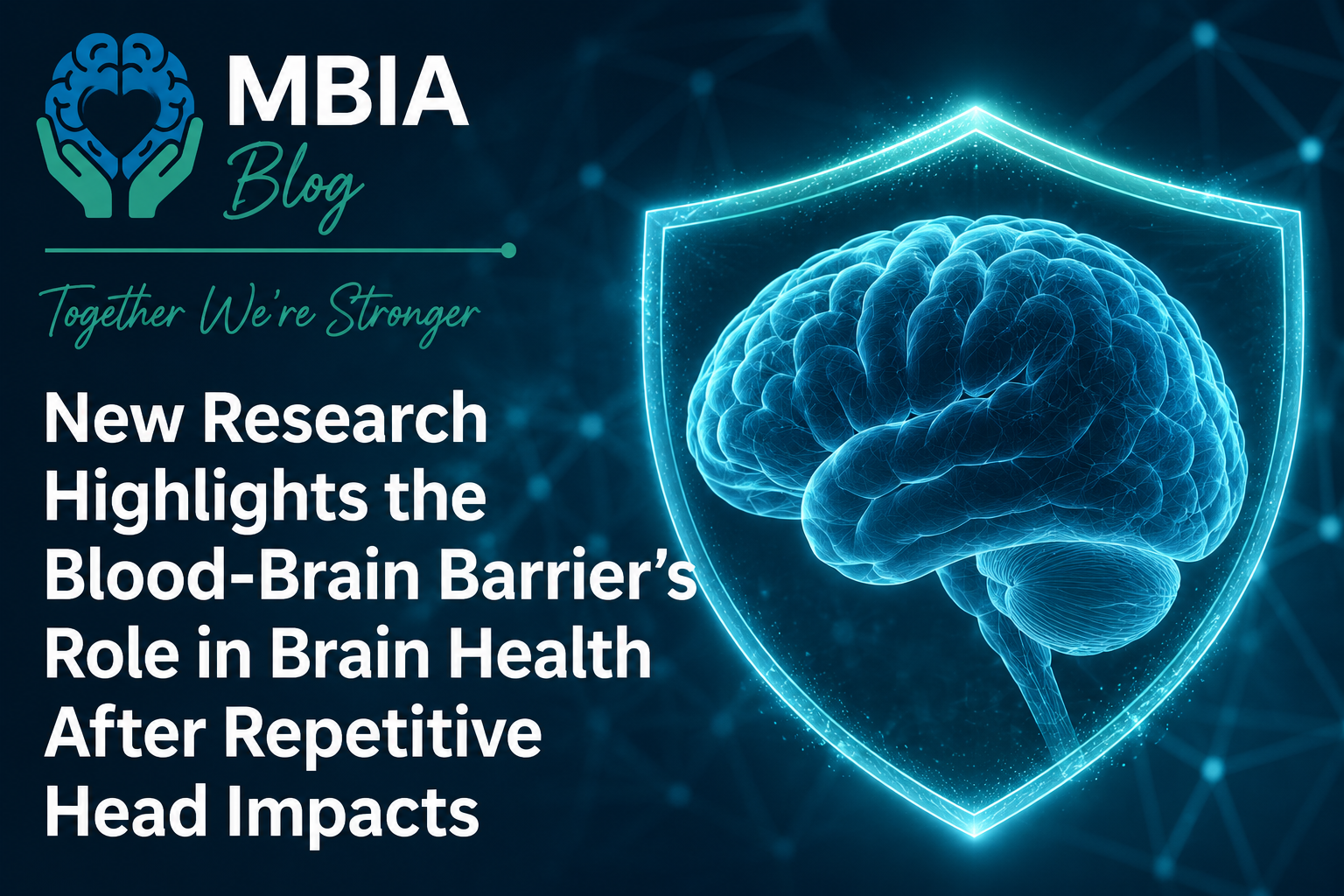
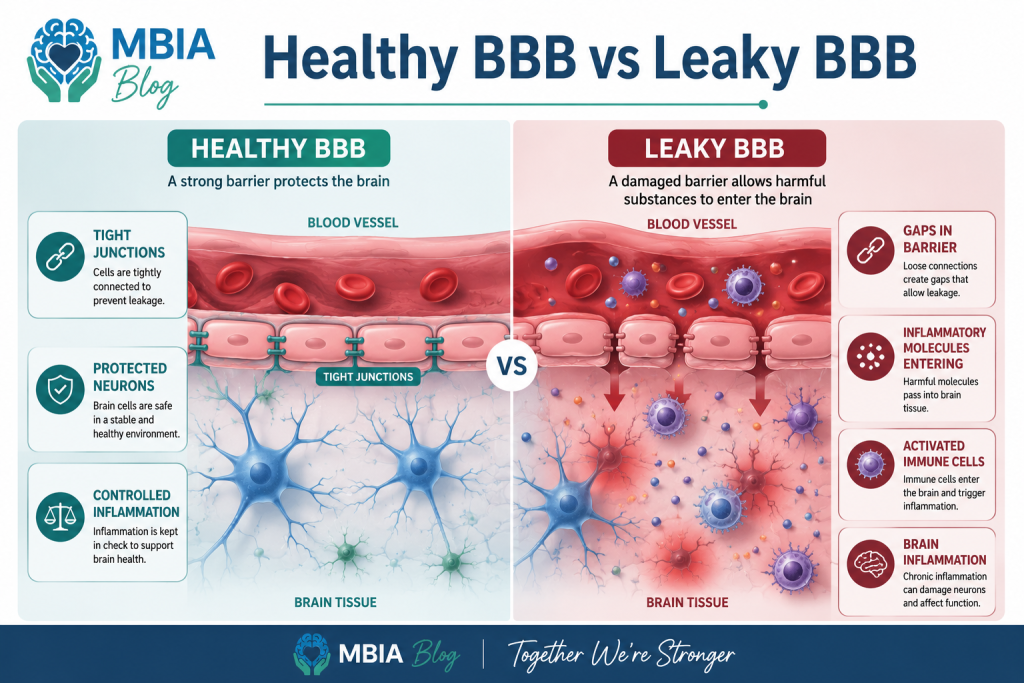
Surrounding the brain is a highly specialised defence system known as the blood-brain barrier (BBB).
The BBB acts like an extremely selective security checkpoint.
Its job is to:
✅ Allow oxygen and nutrients into the brain
✅ Remove waste products
✅ Prevent harmful substances entering brain tissue
✅ Help regulate inflammation
✅ Maintain a stable environment for brain cells
When functioning normally, the blood-brain barrier helps keep the brain healthy and protected.
However, injury, disease and inflammation can cause this protective barrier to become damaged.
Researchers often describe this as a "leaky" blood-brain barrier.
When this happens, substances that would normally be kept out of the brain may gain access to brain tissue, potentially triggering inflammation and further damage.
How Repetitive Head Impacts May Affect The BBB
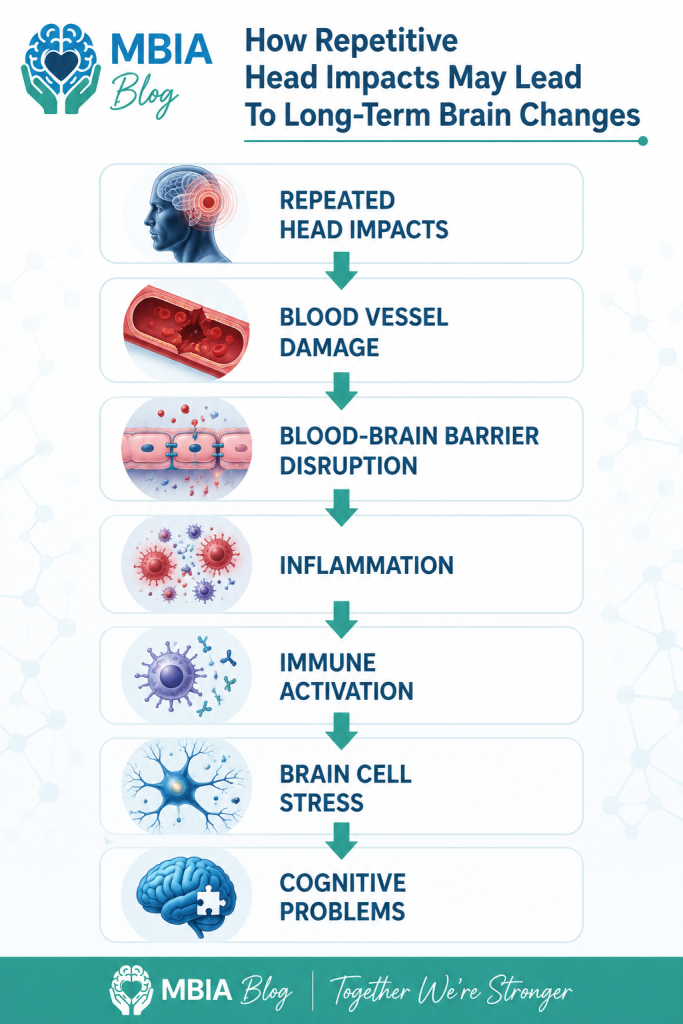
Every concussion involves forces acting on the brain.
However, researchers increasingly believe that even impacts that do not cause recognised concussions may still place stress on brain tissue.
Over months, years or decades, repeated impacts may contribute to:
- Microscopic blood vessel damage
- Changes in blood flow
- Inflammation
- Immune system activation
- Blood-brain barrier dysfunction
Scientists have long suspected these processes occur.
The challenge has been proving it in living people.
This new study takes an important step towards doing exactly that.
The Study
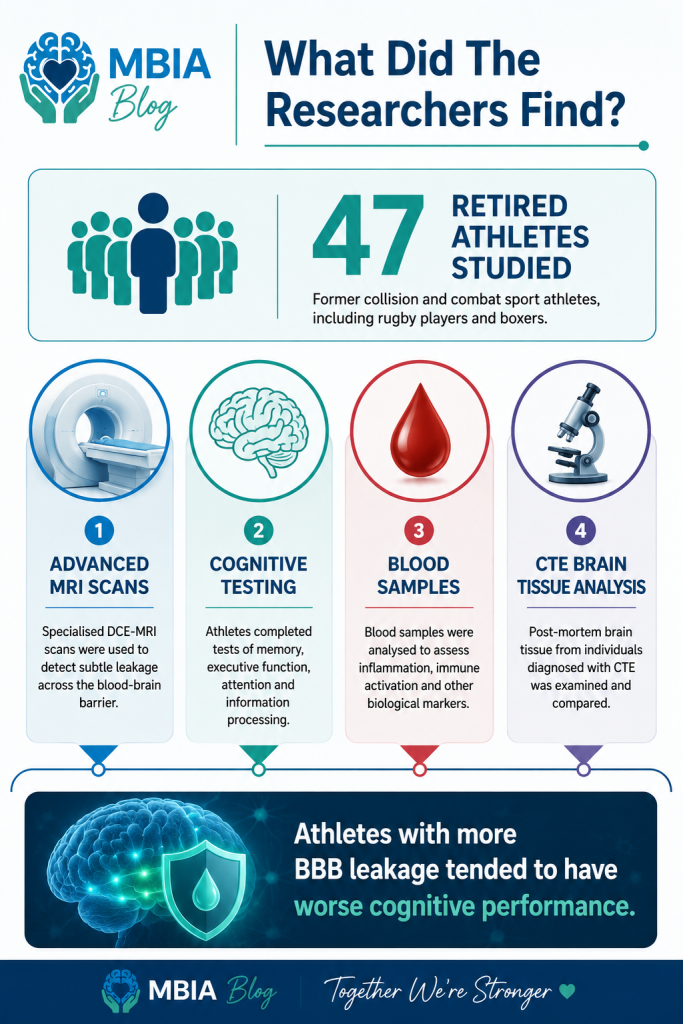
Researchers examined:
- 47 retired collision and combat sport athletes
- Advanced MRI scans capable of measuring blood-brain barrier leakage
- Cognitive testing
- Blood samples
- Post-mortem brain tissue from individuals diagnosed with CTE
The study included former athletes from sports where repetitive head impacts are common, including rugby and boxing.
Researchers used a specialised imaging technique called Dynamic Contrast Enhanced MRI (DCE-MRI) which can detect subtle leakage across the blood-brain barrier.
What Did They Find?
Finding 1: Blood-Brain Barrier Damage Can Persist Long After Retirement
One of the most important findings was that some athletes showed evidence of significant BBB disruption years after their playing careers had ended.
This suggests that the effects of repetitive head impacts may continue long after exposure stops.
Rather than being a short-term injury, some changes may become chronic and progressive.
Finding 2: More BBB Leakage Was Associated With Worse Cognitive Function
Athletes with the greatest blood-brain barrier disruption tended to perform worse on tests involving:
- Memory
- Executive function
- Attention
- Information processing
A subgroup of athletes with extensive BBB leakage demonstrated particularly significant cognitive difficulties.
While this does not prove BBB damage causes cognitive decline, the relationship was strong enough to attract significant scientific interest.
Finding 3: Ongoing Inflammation Appears To Be Involved
Researchers also identified evidence of persistent immune system activation.
Athletes with worse outcomes showed signs of:
- Increased inflammatory activity
- Elevated immune cell responses
- Complement system activation
The complement system is part of the body's immune defence network.
When activated for prolonged periods, it may contribute to tissue damage and neurodegeneration.
This finding supports growing evidence that chronic inflammation may play a major role in brain diseases associated with repetitive head trauma.
Finding 4: Similar Changes Were Found In Confirmed CTE Brains
The researchers also examined brain tissue from individuals diagnosed with CTE after death.
They identified:
- Blood vessel abnormalities
- Signs of inflammation
- Complement activation
- Evidence consistent with blood-brain barrier dysfunction
The similarities between living athletes and confirmed CTE tissue provide an important link that strengthens the overall findings.
Why This Matters
Historically, much of the conversation around CTE has focused on abnormal tau protein accumulation.
This study suggests the picture may be more complex.
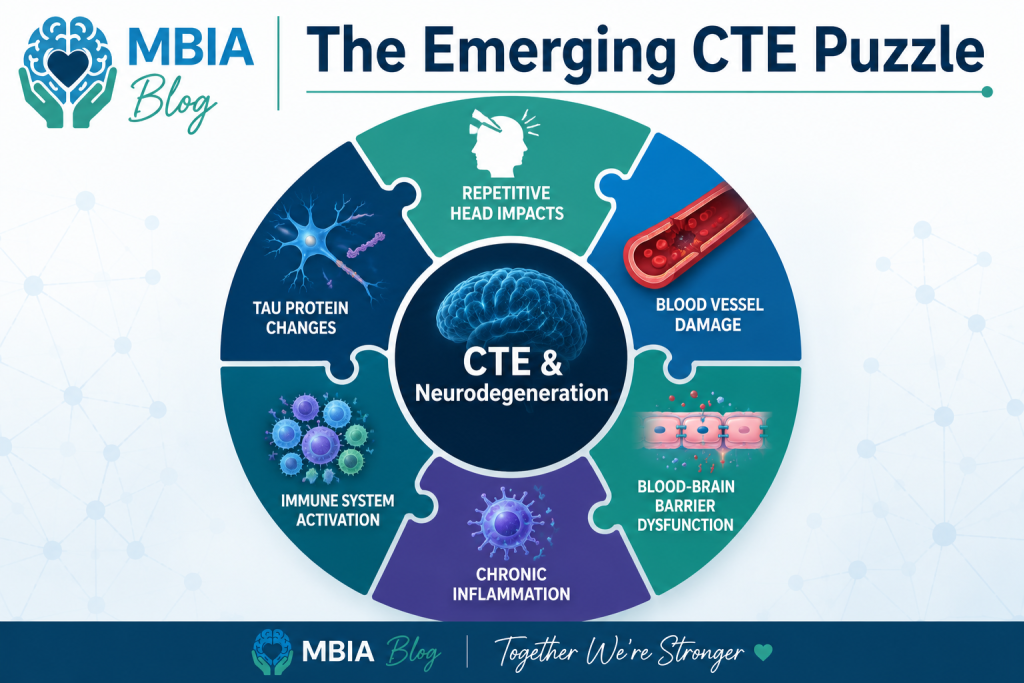
Instead of viewing CTE purely as a protein disease, researchers increasingly suspect that multiple biological processes interact, including:
🧠 Repetitive head impacts
🧠 Blood vessel injury
🧠 Blood-brain barrier disruption
🧠 Chronic inflammation
🧠 Immune system dysfunction
🧠 Tau accumulation
These processes may work together over many years to contribute to neurodegeneration.
Could This Lead To New Treatments?
Potentially.
If future studies confirm these findings, researchers may begin investigating treatments aimed at:
- Reducing inflammation
- Protecting the blood-brain barrier
- Repairing vascular damage
- Modulating immune responses
This could eventually open entirely new treatment pathways beyond simply targeting tau proteins.
However, it is important to remember that this research remains at an early stage.
No treatment has yet been proven to prevent or reverse CTE.
Important Limitations
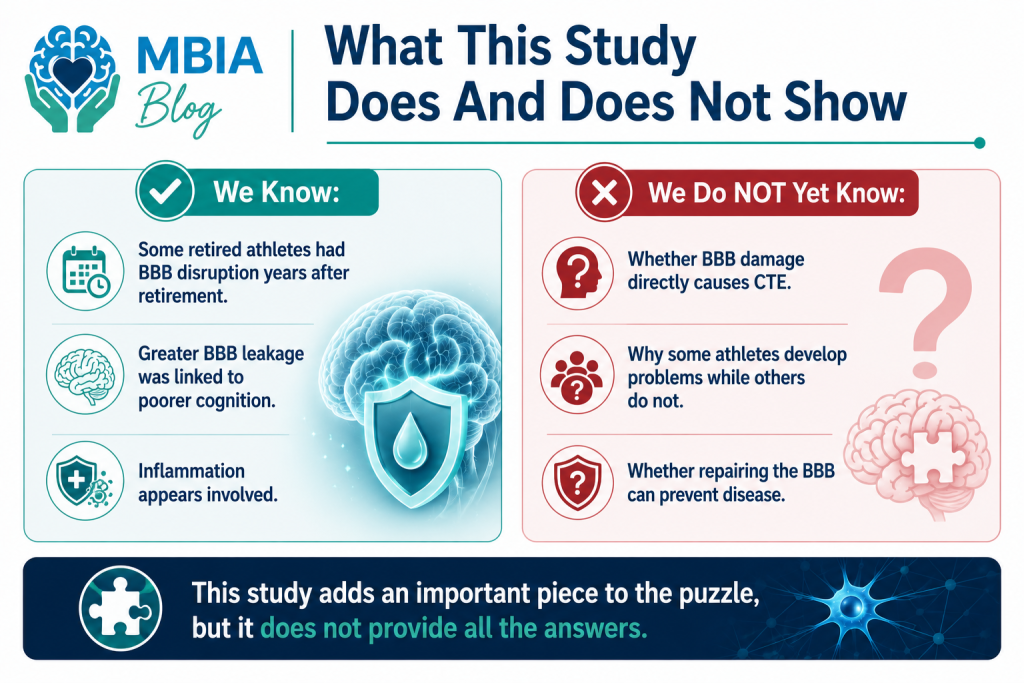
While exciting, the study does have limitations.
The study was relatively small
Only 47 retired athletes were included.
It cannot prove cause and effect
The study shows associations, not direct causation.
Not all athletes showed BBB disruption
This suggests additional factors likely influence who develops long-term problems.
More research is needed
Larger studies involving women, amateur athletes and long-term follow-up are still required.
What This Means For Athletes, Patients And Families
This study does not mean every athlete exposed to repetitive head impacts will develop CTE.
It does not provide a diagnostic test for CTE.
It does not prove blood-brain barrier damage causes neurodegeneration.
What it does provide is another important piece of evidence suggesting that repetitive head impacts may trigger long-lasting biological changes that continue long after an athlete leaves sport.
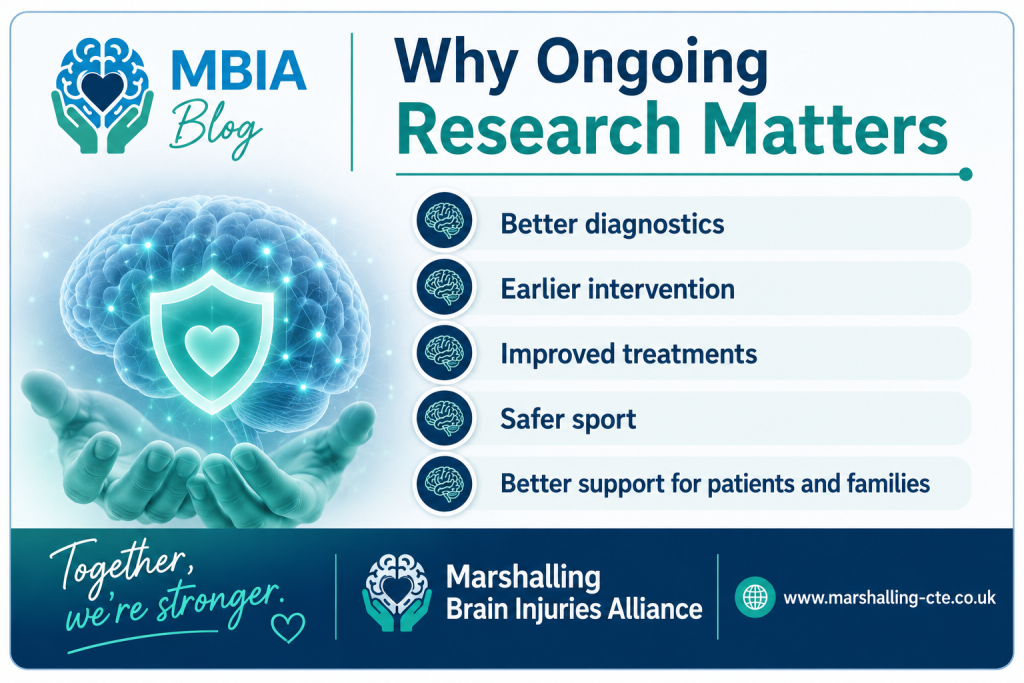
Understanding these processes is critical if researchers are to develop better diagnostics, better treatments and ultimately better prevention strategies.
Key Takeaway
One of the most significant findings from this study is that the brain's protective barrier may remain damaged years after exposure to repetitive head impacts.
Athletes with greater blood-brain barrier leakage were more likely to experience cognitive difficulties and showed evidence of ongoing inflammation.
While many questions remain unanswered, this research strengthens the growing theory that blood-brain barrier dysfunction and chronic inflammation may play important roles in the long-term consequences of repetitive head trauma.
As researchers continue to unravel the complex biology of CTE and related conditions, studies like this bring us one step closer to understanding what is happening inside the brain—and how we might eventually intervene.
Reference
Title: Blood-brain barrier disruption, traumatic encephalopathy, and cognitive decline in retired athletes
Journal: Science Translational Medicine (2026)
Authors: Chris Greene and colleagues from Trinity College Dublin and collaborators.
Enjoyed this article? Join thousands of readers receiving our monthly Brain Injury Brief