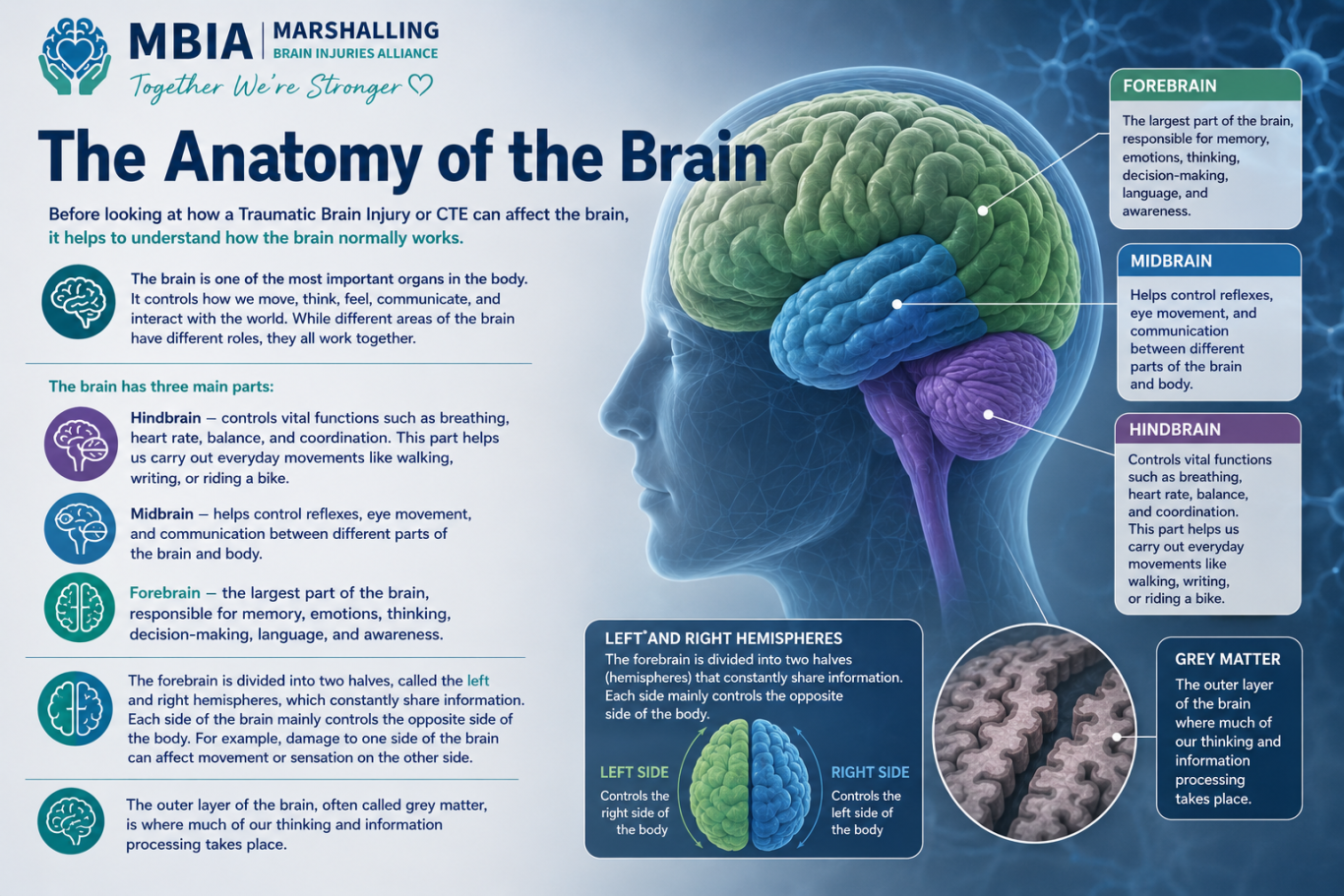
The Anatomy of the Brain
The human brain is the most complex organ in the body.
It controls everything we do — from movement and memory to emotions, decision-making, sleep, and survival itself.
Although the brain weighs only around 1.3–1.4 kg (approximately 3 pounds), it contains around 86 billion nerve cells (neurons) connected by trillions of pathways.
Understanding the anatomy of the brain can help people living with brain injury, concussion, neurological conditions, and their families better understand why different symptoms occur and why injuries can affect people in very different ways.
Understanding the Structure of the Most Complex Organ in the Human Body
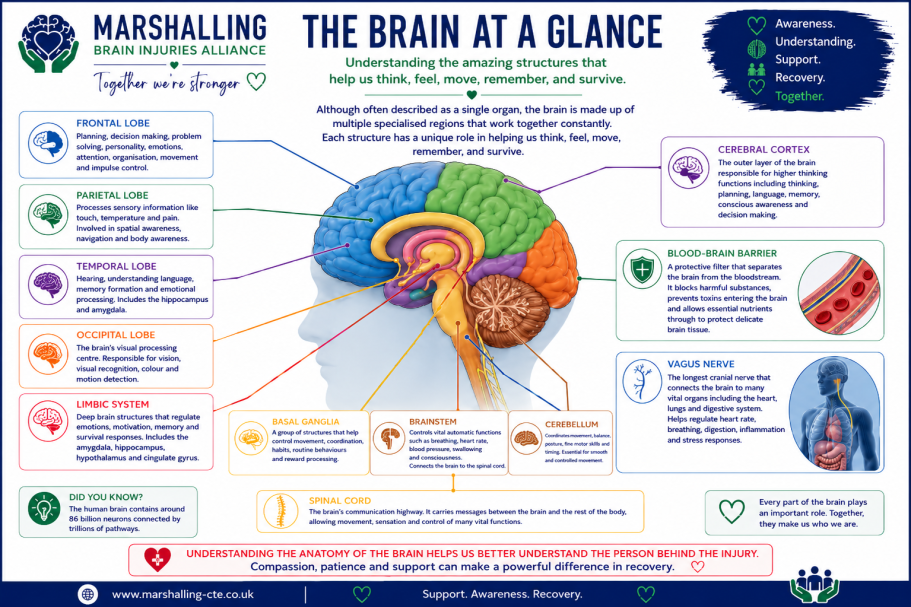
The Cerebral Cortex
The Outer Layer of the Brain
The cerebral cortex is the folded outer surface of the brain.
The folds increase the amount of brain tissue that can fit inside the skull.
This area is responsible for many of the functions that make us uniquely human, including:
- Thinking
- Planning
- Language
- Problem solving
- Conscious awareness
- Memory
- Decision making
The cortex is divided into four main lobes.
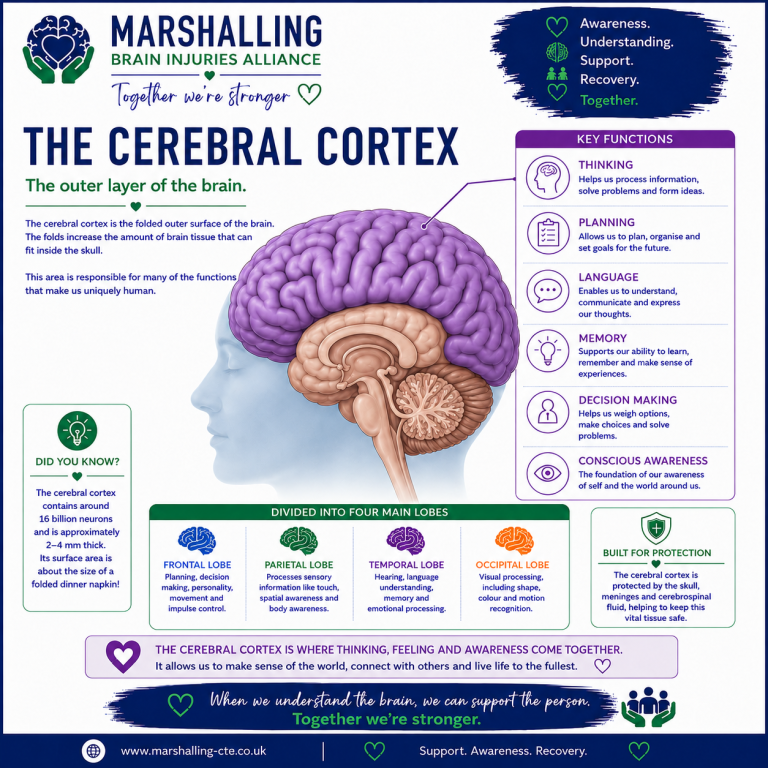
The Frontal Lobe
The Brain's Chief Executive
Located behind the forehead, the frontal lobe is involved in:
- Planning
- Organisation
- Judgement
- Decision-making
- Attention
- Emotional regulation
- Personality
- Impulse control
- Voluntary movement
Injury to the frontal lobe can sometimes result in:
- Poor concentration
- Impulsivity
- Anger
- Emotional changes
- Executive dysfunction
- Reduced motivation
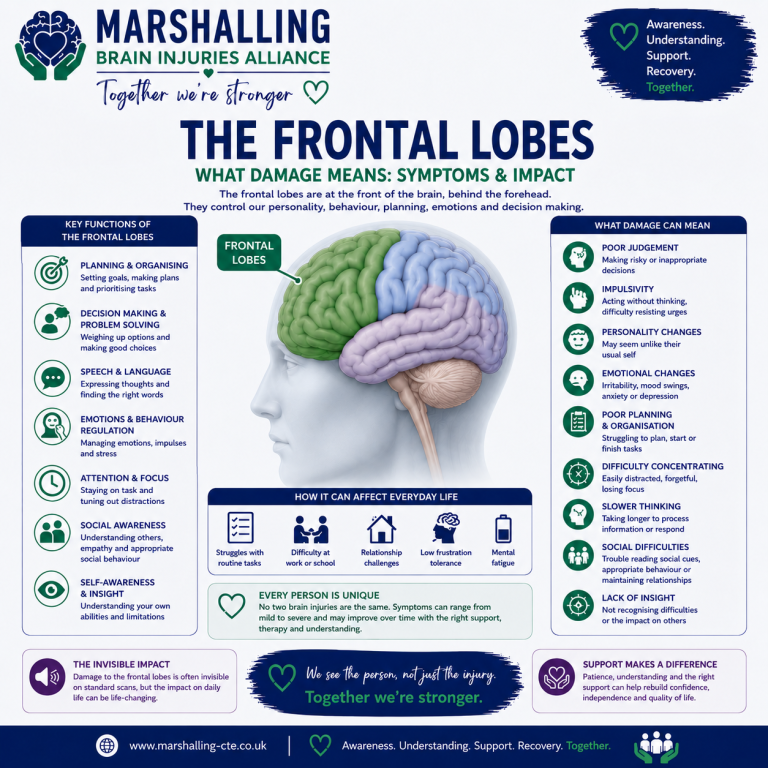
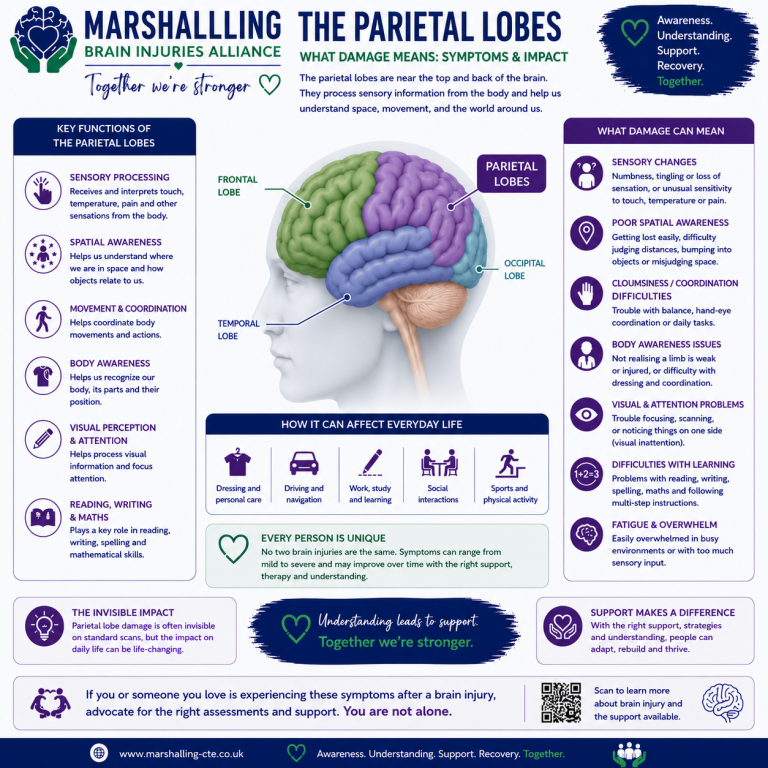
The Parietal Lobe
Understanding the World Around Us
The parietal lobe helps process information received from the body.
Functions include:
- Touch
- Pressure
- Temperature
- Pain
- Spatial awareness
- Body awareness
- Navigation
Difficulties can sometimes affect:
- Balance
- Awareness of surroundings
- Reading maps
- Judging distances
The Temporal Lobe
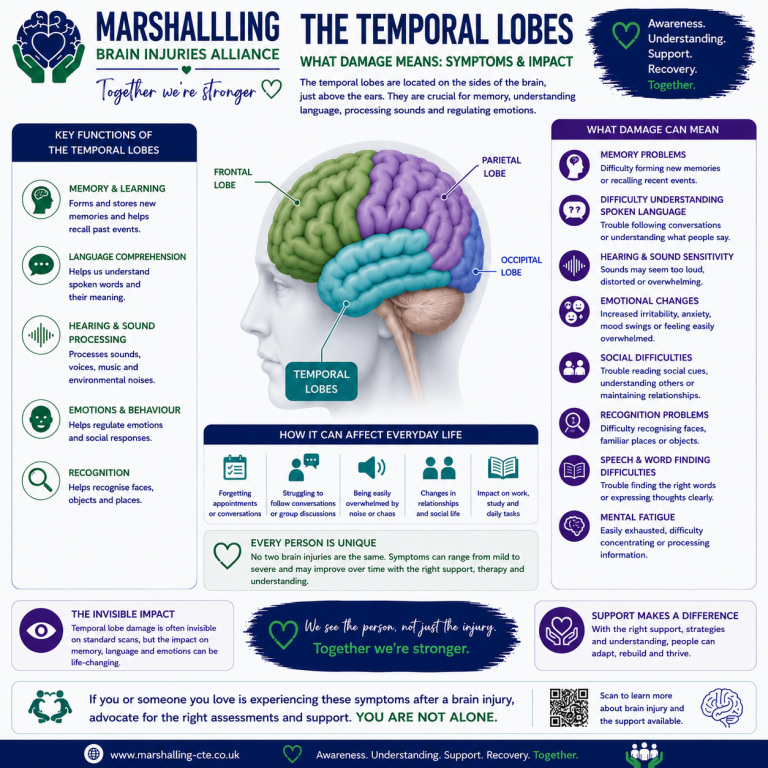
Memory, Hearing and Language
Located near the ears, the temporal lobes play an important role in:
- Hearing
- Understanding language
- Memory formation
- Emotional processing
- Recognition of people and objects
The hippocampus and amygdala are found within the temporal lobe.
Symptoms of dysfunction may include:
- Memory problems
- Difficulty understanding speech
- Emotional changes
- Increased sensitivity to sound
The Occipital Lobe
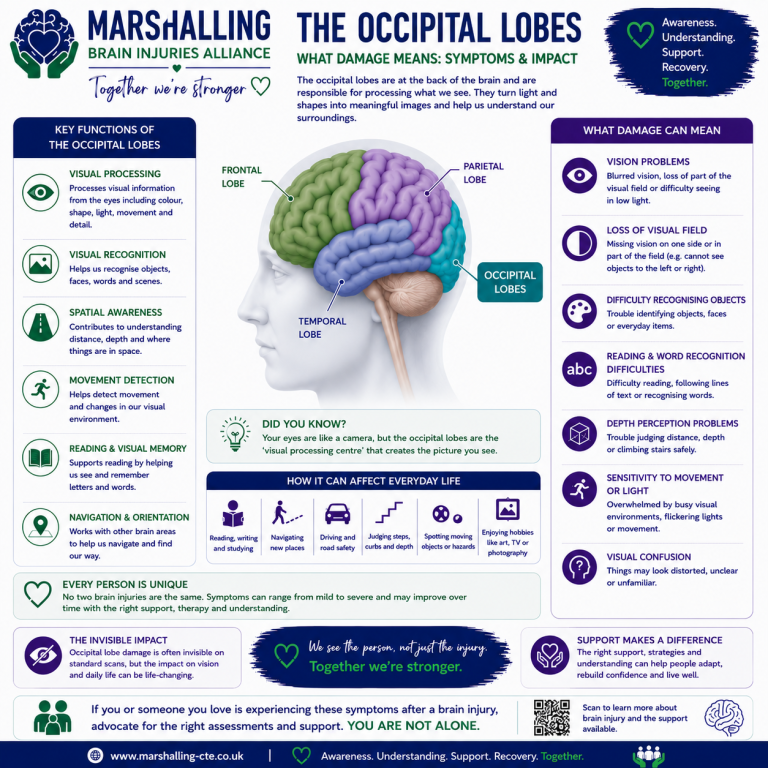
The Brain's Visual Processing Centre
Located at the back of the brain.
Responsible for:
- Vision
- Visual recognition
- Colour processing
- Motion detection
Injury may cause:
- Visual disturbances
- Difficulty recognising objects
- Problems processing visual information
The Limbic System
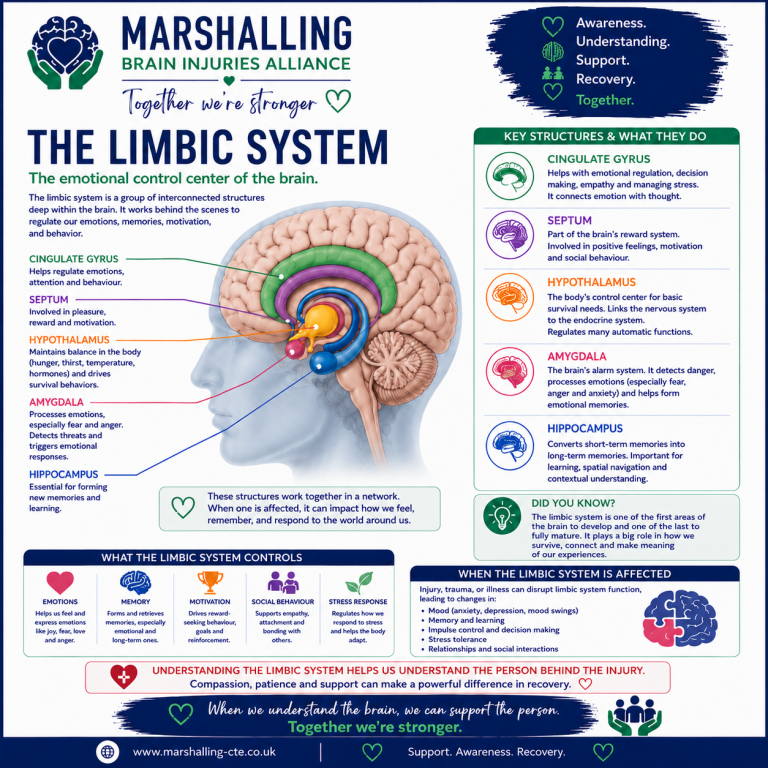
The Emotional Brain
The limbic system is a collection of structures deep within the brain that help regulate:
- Emotions
- Motivation
- Memory
- Behaviour
- Survival responses
Key structures include:
- Amygdala
- Hippocampus
- Hypothalamus
- Cingulate Gyrus
This system plays a major role in how we experience fear, stress, pleasure, and emotional memories.
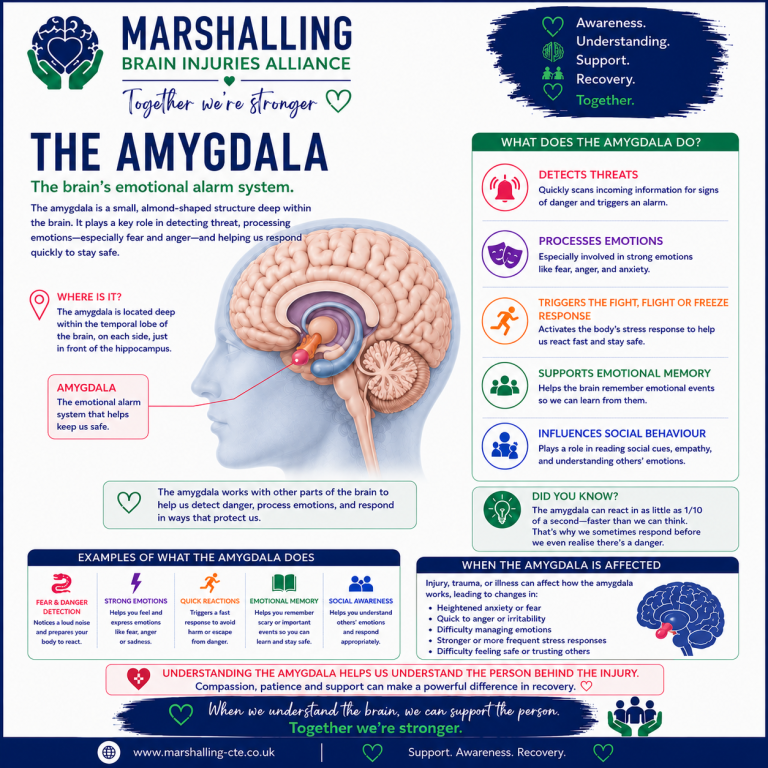
The Amygdala
The Threat Detection Centre
The amygdala helps detect danger and initiate the body's fight, flight, or freeze response.
Functions include:
- Fear processing
- Threat assessment
- Emotional memory
- Anxiety responses
When overactive, it may contribute to:
- Anxiety
- Hypervigilance
- Irritability
- Emotional reactivity
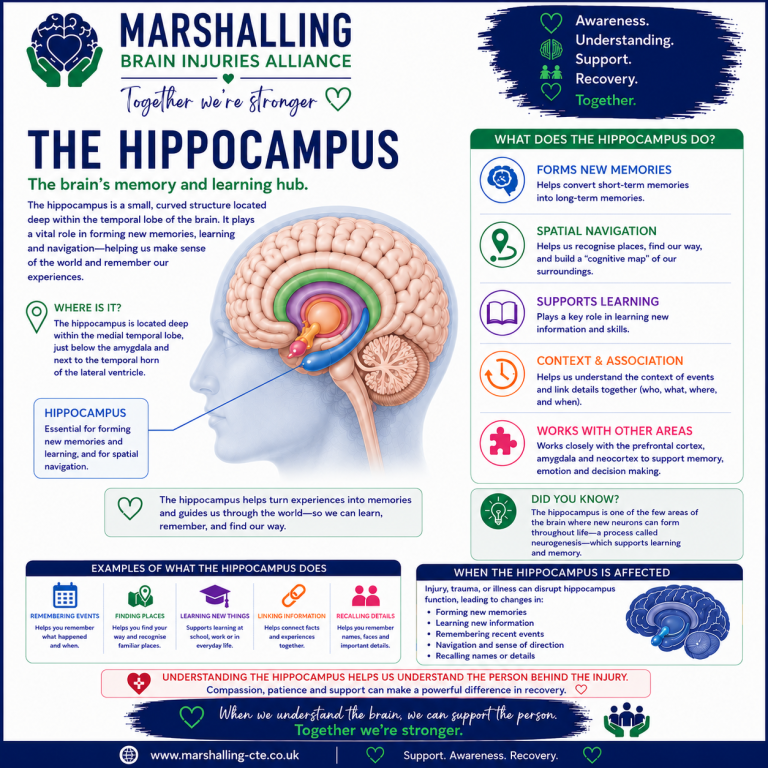
The Hippocampus
The Memory Centre
The hippocampus helps convert experiences into long-term memories.
Functions include:
- Learning
- Memory formation
- Navigation
- Spatial awareness
Research has shown the hippocampus may be vulnerable to both traumatic brain injury and neurodegenerative disease.
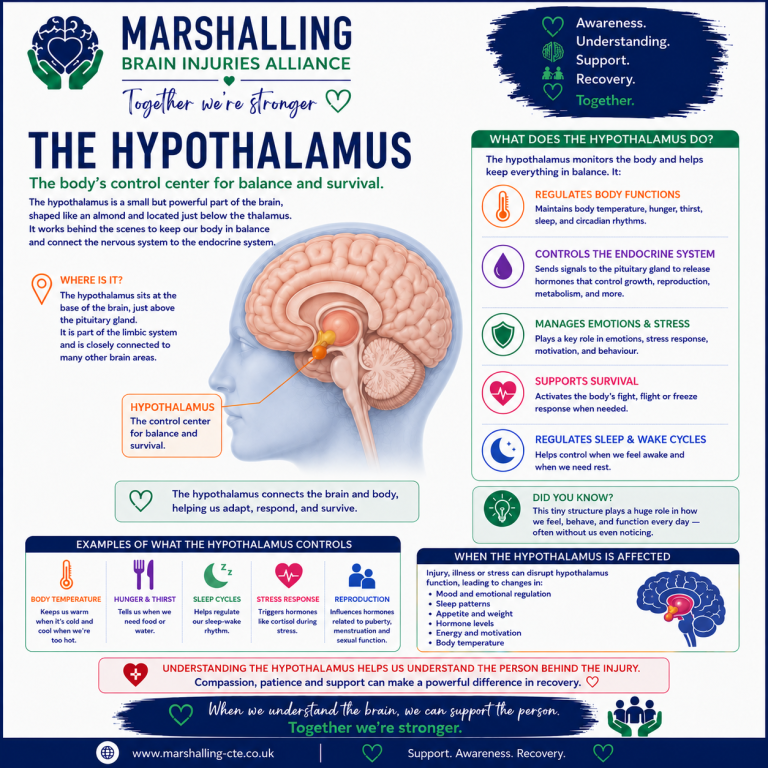
The Hypothalamus
The Brain's Control Centre
The hypothalamus links the brain and body.
It helps regulate:
- Sleep
- Hunger
- Thirst
- Temperature
- Hormones
- Stress responses
Because it influences the pituitary gland, even small disruptions can affect many body systems.
- Problems processing visual information
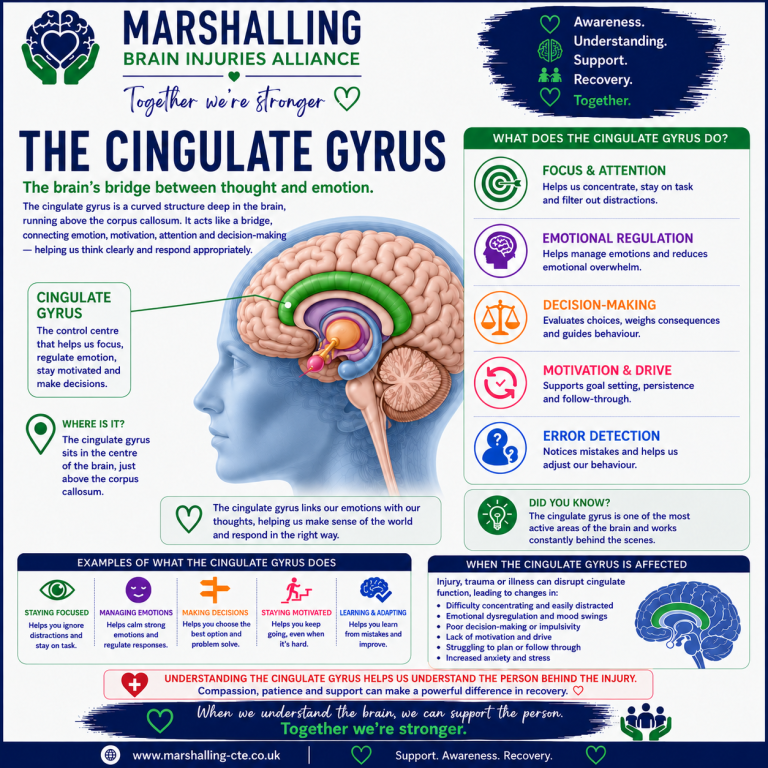
The Cingulate Gyrus
Bridging Emotion and Thinking
The cingulate gyrus helps connect emotional and cognitive processes.
It contributes to:
- Emotional regulation
- Decision making
- Attention
- Motivation
- Pain processing
This structure helps us decide how to respond to emotions rather than simply reacting to them.
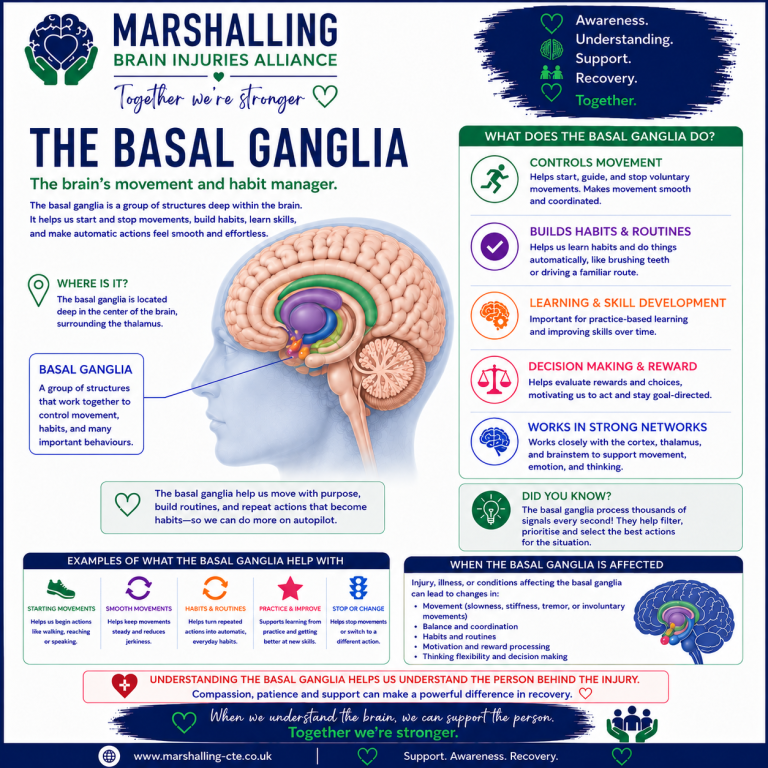
The Basal Ganglia
Movement and Habit Control
The basal ganglia are a group of structures deep within the brain.
They help regulate:
- Movement
- Coordination
- Habits
- Routine behaviours
- Reward processing
Problems affecting the basal ganglia can contribute to movement disorders and changes in motivation.
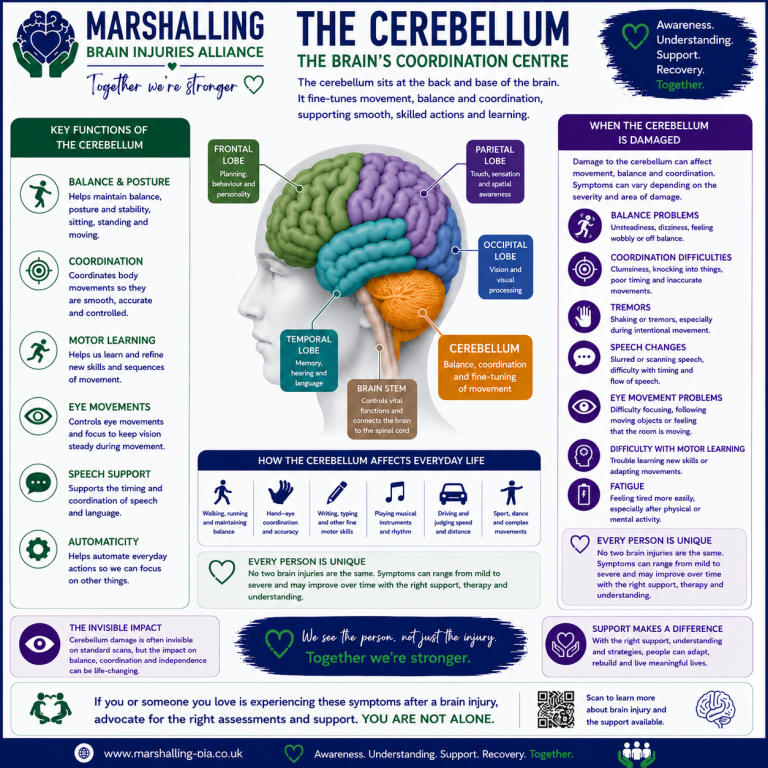
The Cerebellum
The Coordination Centre
Located beneath the back of the brain.
The cerebellum helps control:
- Balance
- Coordination
- Fine motor skills
- Timing
- Posture
Damage may cause:
- Dizziness
- Balance problems
- Poor coordination
- Unsteady walking
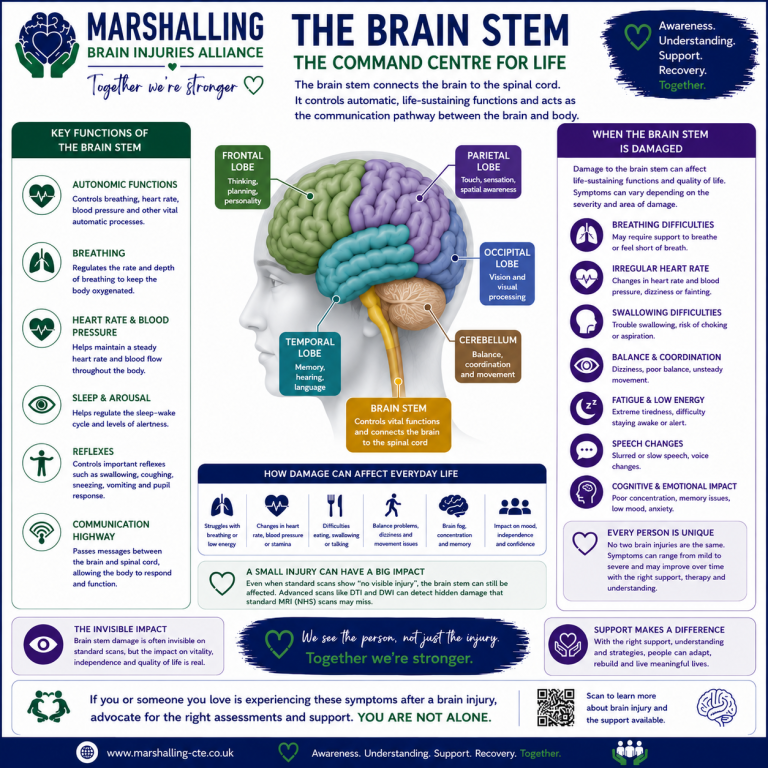
The Brainstem
The Life Support Centre
The brainstem connects the brain to the spinal cord.
It controls many automatic functions that keep us alive, including:
- Breathing
- Heart rate
- Blood pressure
- Swallowing
- Consciousness
The brainstem consists of:
- Midbrain
- Pons
- Medulla
Without the brainstem, survival would not be possible.
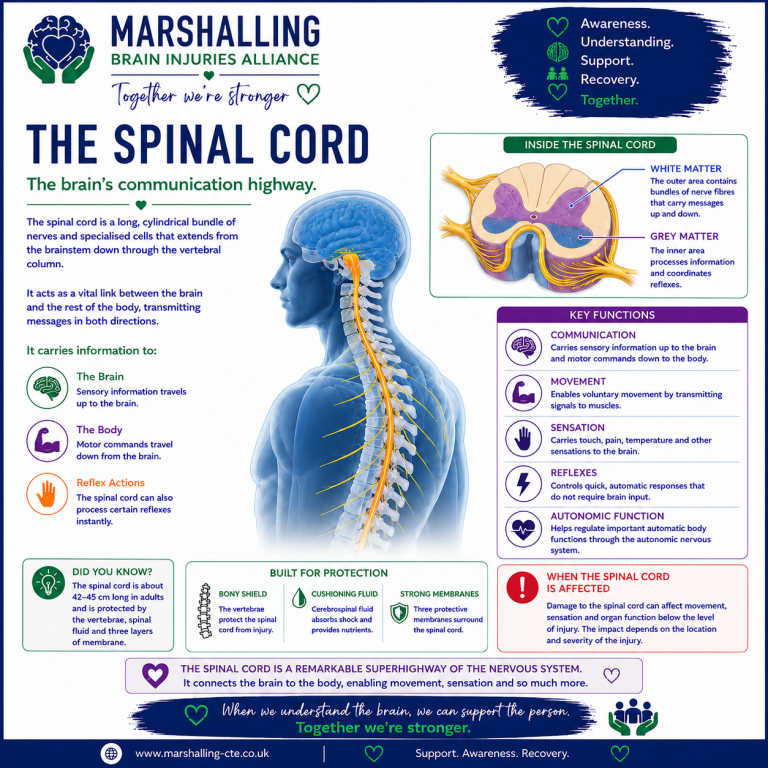
The Spinal Cord
The Brain's Communication Highway
The spinal cord carries information between the brain and the rest of the body.
Messages travel through the spinal cord to:
- Muscles
- Organs
- Sensory systems
Damage can disrupt movement, sensation, and bodily functions.
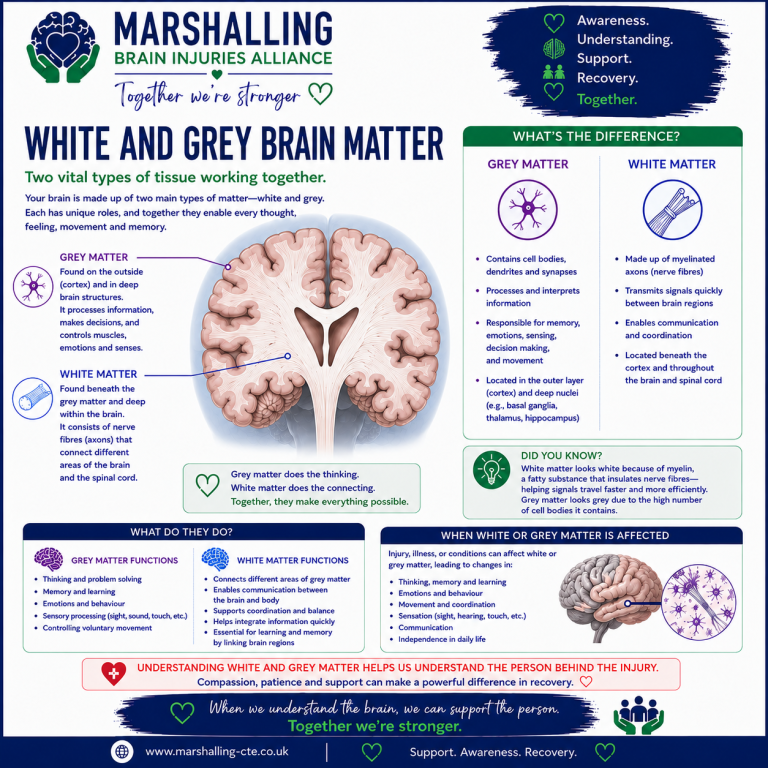
Grey & White Matter
The Brain's Wiring System
Grey Matter
Grey matter contains the cell bodies of neurons.
It is responsible for:
- Processing information
- Memory
- Thinking
- Decision making
White Matter
White matter consists of bundles of nerve fibres that connect different areas of the brain.
It acts like the brain's communication network.
Damage to white matter can slow communication between brain regions.
Neurons
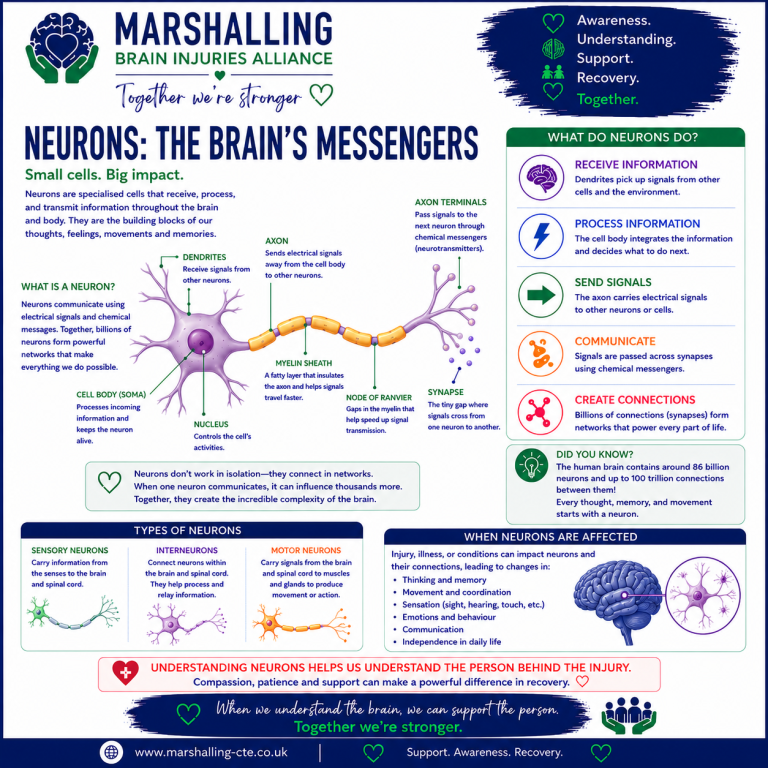
The Building Blocks of the Nervous System
Neurons are specialised cells that send information throughout the brain and body.
Each neuron consists of:
- Cell body
- Dendrites
- Axon
- Synapse
These cells communicate using electrical and chemical signals.
The human brain contains approximately 86 billion neurons.
Myelin
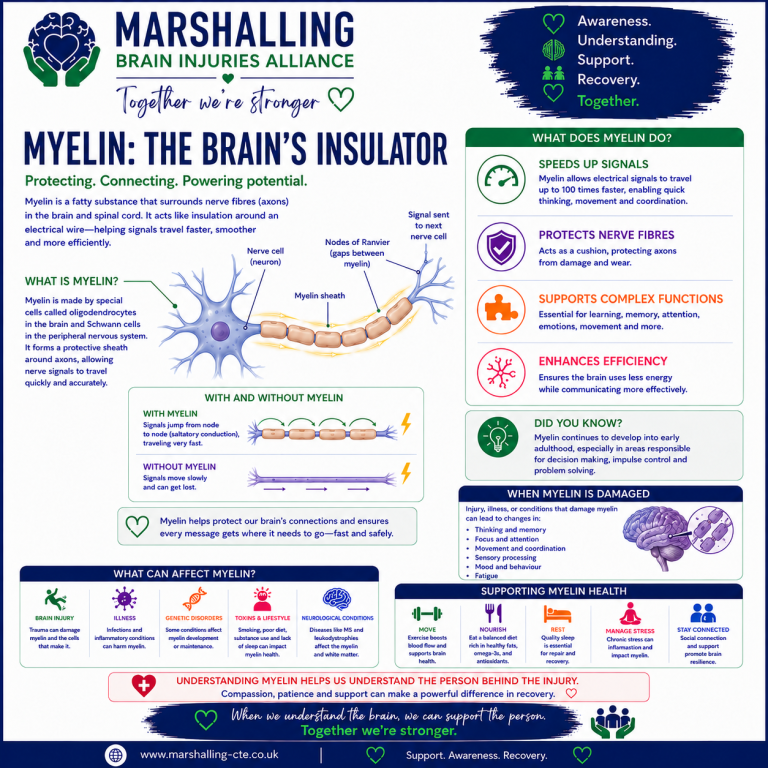
The Protective Coating Around Nerves
Myelin is a fatty insulating layer that surrounds nerve fibres.
Its job is to help electrical signals travel quickly and efficiently.
Healthy myelin helps maintain:
- Memory
- Attention
- Processing speed
- Coordination
The Vagus Nerve
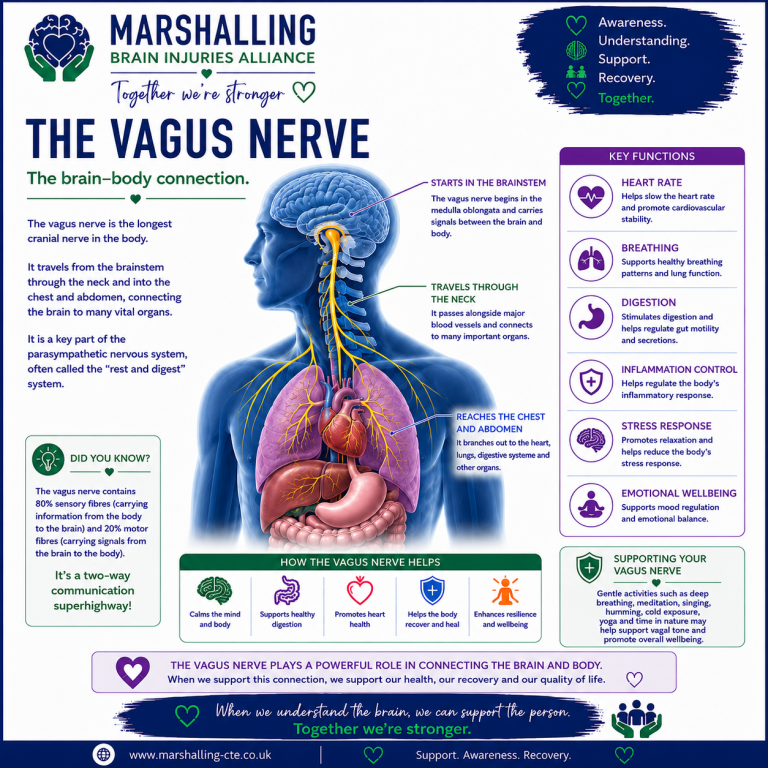
The Brain-Body Connection
The vagus nerve is the longest cranial nerve in the body.
It travels from the brainstem through the neck and into the chest and abdomen.
The vagus nerve helps regulate:
- Heart rate
- Breathing
- Digestion
- Inflammation
- Stress responses
It forms a key part of the parasympathetic nervous system, often called the "rest and digest" system.
Researchers are increasingly interested in the role of vagal function in brain injury recovery, emotional regulation, and overall wellbeing.
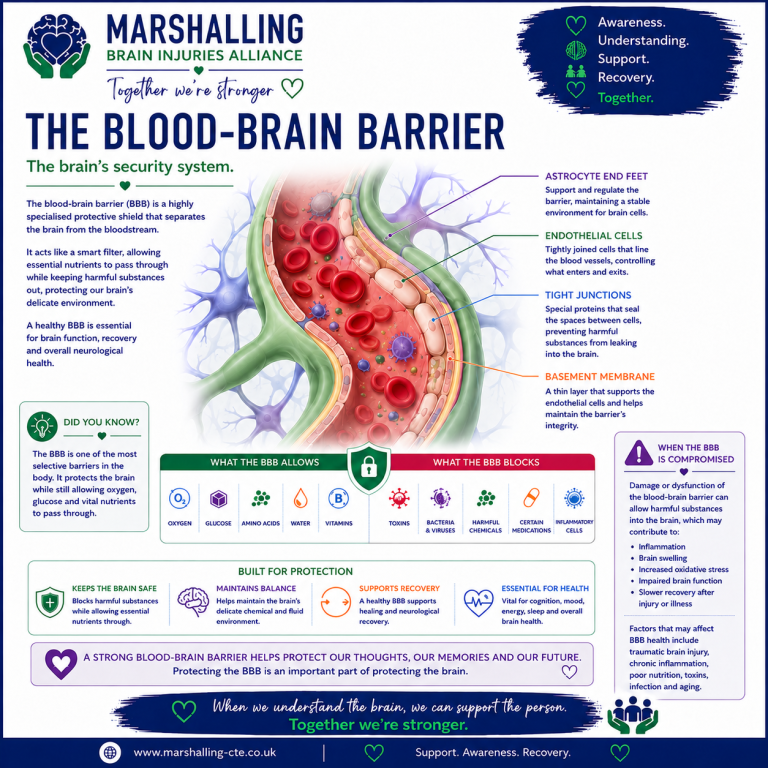
The Blood-Brain Barrier
The Brain's Security System
The blood-brain barrier is a specialised protective filter that separates the brain from the bloodstream.
Its role is to:
- Block harmful substances
- Prevent toxins entering the brain
- Allow essential nutrients through
- Protect delicate brain tissue
Researchers are increasingly studying how disruption of the blood-brain barrier may contribute to neurological disease and recovery after brain injury.
Why Brain Anatomy Matters
Understanding brain anatomy helps explain why symptoms can vary so much from one person to another.
Different brain regions have different jobs.
When injury, illness, or disease affects a particular structure, the symptoms often reflect the role that area normally performs.
The more we understand about the brain, the better equipped we are to understand recovery, adaptation, and the challenges faced by people living with neurological conditions.
Related Pages