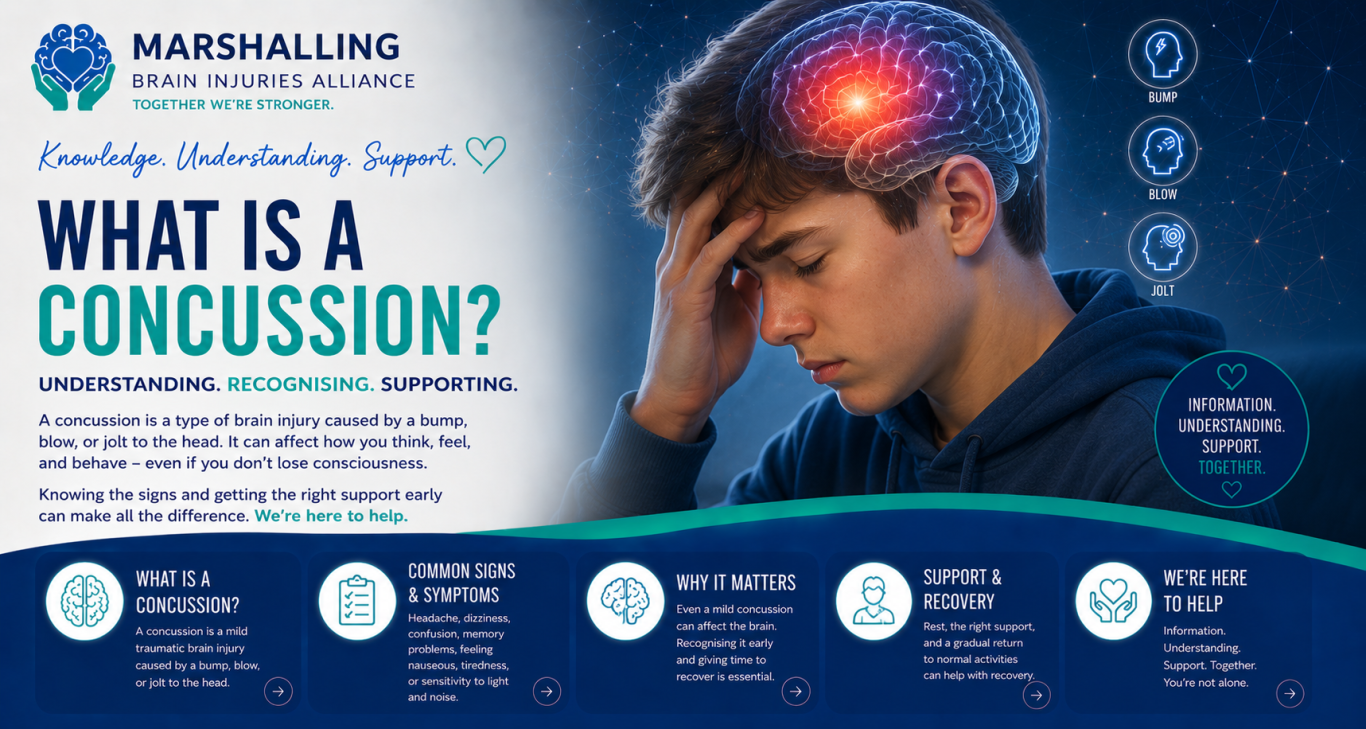
How Does a Concussion Happen?
Many people assume a concussion only occurs after a direct
blow to the head, but this is not always the case.
A concussion can occur whenever a force causes the brain to
move suddenly inside the skull.
Common causes include:
Sports Injuries
- Rugby
- Football
- Boxing
- Horse riding
- Cycling
- Martial arts
- Hockey
Falls
Falls are one of the most common causes of concussion across
all age groups.
Road Traffic Collisions
Car, motorcycle, bicycle, and pedestrian accidents can all result in concussion.
Workplace Accidents
Particularly in construction, emergency services, military, and industrial settings.
Assaults and Domestic Abuse
Physical assaults, punches, kicks, falls, and strangulation can all result in brain injury and concussion.
Military Blast Exposure
Explosive blast waves can cause concussion even when there is no visible injury to the head.
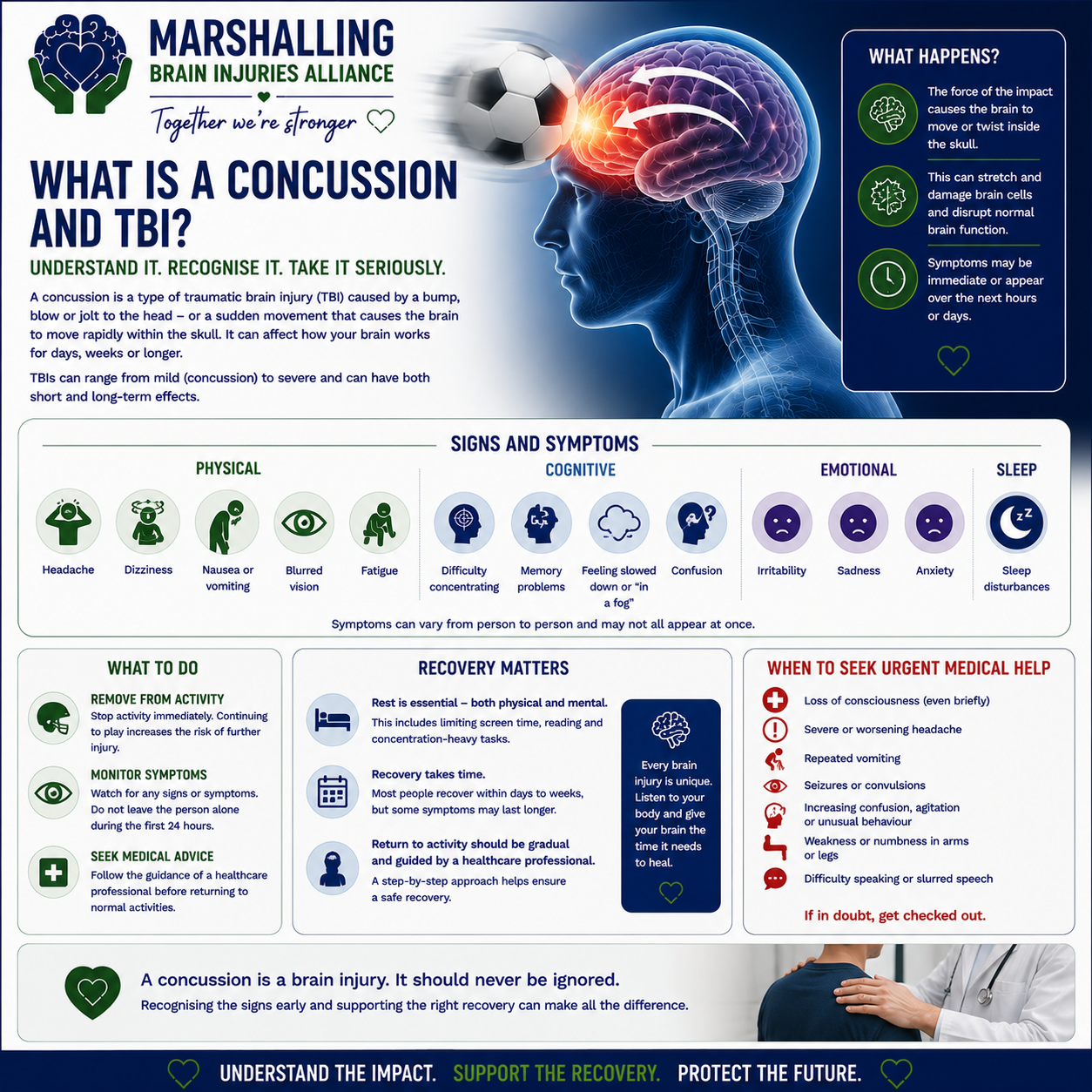
A concussion does not usually involve structural damage that can be seen on a standard CT scan or MRI.
Instead, it causes temporary disruption to how brain cells function.
This can affect:
- Communication between brain cells
- Energy production
- Blood flow
- Information processing
Although these changes are often temporary, they can still have a significant impact on daily life.
What Happens Inside the Brain?
Recovery looks different for everyone.
Many people improve within a few days or weeks, while others take longer.
There is no exact timeline that applies to everyone.
Recovery is influenced by factors such as:
- Previous concussions
- Age
- Sleep quality
- Stress levels
- Mental health
- Existing neurological conditions
- Overall health
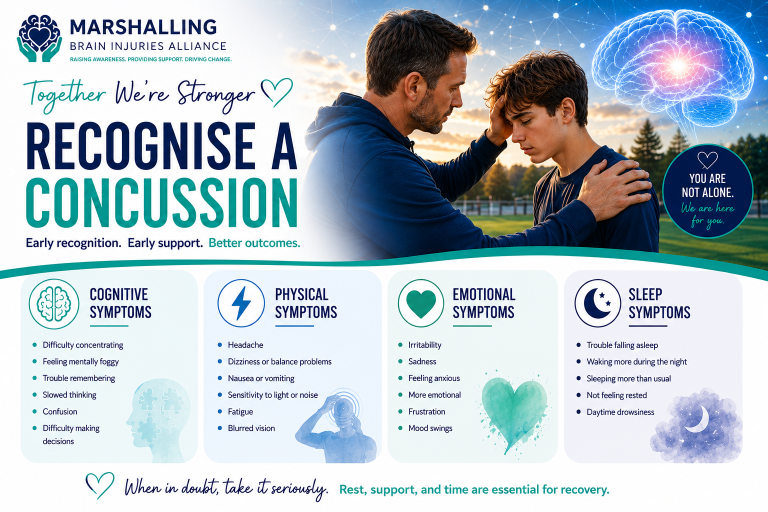
Common Symptoms of Concussion
Symptoms may appear immediately or develop over the following hours or days.
Physical Symptoms
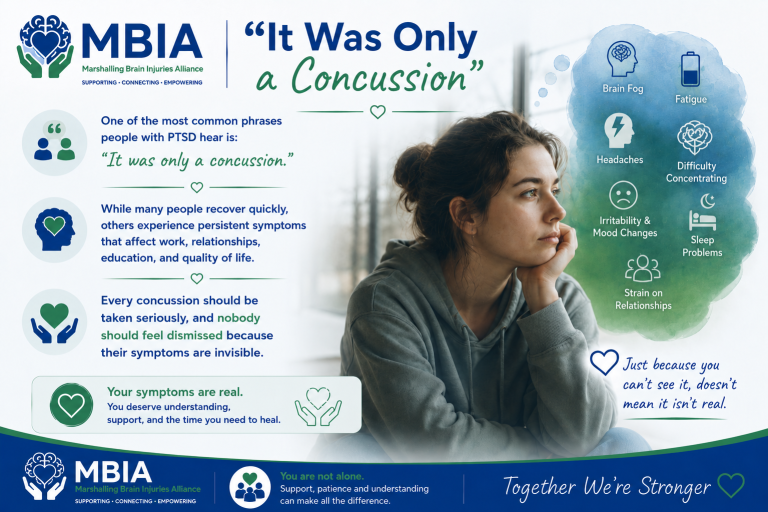
- Headache
- Dizziness
- Nausea
- Balance problems
- Fatigue
- Visual disturbances
- Sensitivity to light
- Sensitivity to noise
- Ringing in the ears (tinnitus)
Cognitive Symptoms
- Brain fog
- Difficulty concentrating
- Memory problems
- Slower thinking
- Feeling mentally "fuzzy"
- Difficulty processing information
Emotional Symptoms
- Anxiety
- Irritability
- Mood swings
- Increased emotional sensitivity
- Low mood
Sleep Symptoms
- Difficulty falling asleep
- Sleeping more than usual
- Sleeping less than usual
- Poor quality sleep
Do You Have to Lose Consciousness?
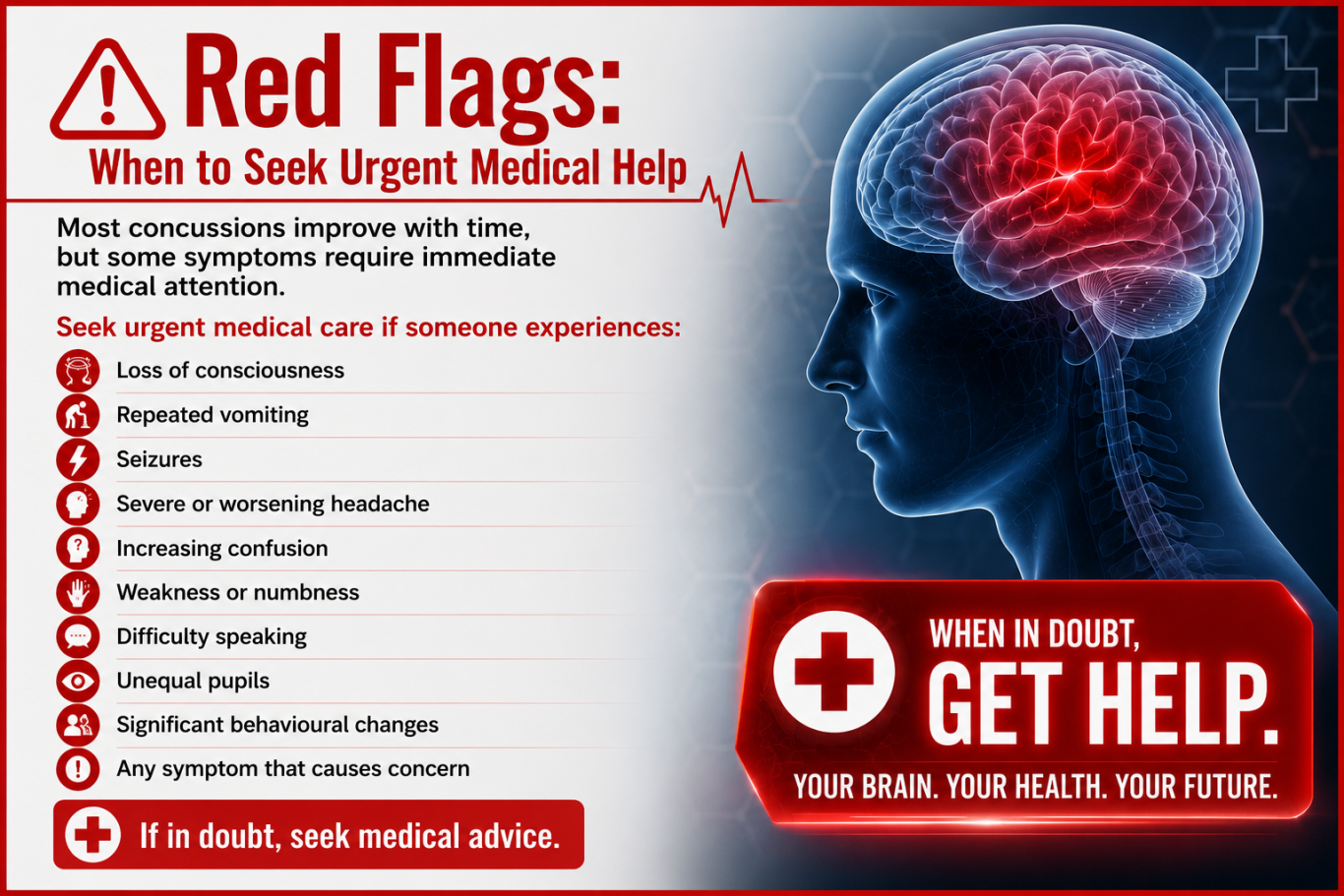
No.
This is one of the biggest myths about concussion.
Most concussions occur without a loss of consciousness.
Someone can sustain a concussion and remain awake throughout the entire event.
Recovery Tips
1. Don't Ignore Symptoms
Trying to push through symptoms can sometimes make
recovery more difficult.
Listen to your body and brain.
2. Prioritise Sleep
Sleep is one of the most important aspects of brain recovery.
Aim for regular sleep and wake times where possible.
3. Gradually Return to Activity
Current evidence suggests that prolonged complete rest is generally not recommended.
After an initial period of relative rest, gradual and symptom-limited activity is usually encouraged.
Always follow advice from your healthcare provider.
4. Manage Physical and Mental Exertion
Recovery often requires balancing activity and rest.
Many people benefit from pacing themselves and avoiding overexertion.
5. Stay Hydrated
Dehydration can worsen symptoms such as headaches, fatigue, and concentration difficulties.
6. Eat a Balanced Diet
Good nutrition supports overall brain health and recovery.
Focus on:
- Protein
- Fruits and vegetables
- Healthy fats
- Whole foods
7. Reduce Alcohol Consumption
Alcohol may worsen symptoms and can interfere with recovery.
Many healthcare professionals recommend avoiding alcohol during the recovery period.
8. Limit Activities That Worsen Symptoms
This may include:
- Excessive screen time
- Bright environments
- Loud environments
- Extended periods of concentration
Everyone's triggers are different.
9. Seek Professional Support If Needed
Some people benefit from additional support such as:
- Physiotherapy
- Vestibular rehabilitation
- Occupational therapy
- Psychological support
- Vision therapy
- Speech and language therapy
Most people recover from concussion, but some continue to experience symptoms beyond the expected recovery period.
This is sometimes referred to as Post-Concussion Syndrome (PCS).
Symptoms may include:
- Persistent headaches
- Fatigue
- Brain fog
- Sleep problems
- Dizziness
- Anxiety
- Depression
- Sensory sensitivities
Recovery is still possible, but additional assessment and support may be beneficial.
What Is Post-Concussion Syndrome?
Can Multiple Concussions Be a Problem?
Research suggests that repeated concussions and repetitive head impacts may increase the risk of longer-term neurological problems in some individuals.
This is why concussion should always be taken seriously and why returning to sport, work, or activities too quickly can be risky.
Anyone who experiences repeated concussions should discuss this with a healthcare professional.
Remember
- A concussion is a mild traumatic brain injury caused by forces acting on the brain.
- You do not need to lose consciousness to have a concussion.
- Symptoms can affect thinking, emotions, sleep, and physical wellbeing.
- Most people recover, but recovery times vary.
- Sleep, pacing, hydration, nutrition, and gradual return to activity may support recovery.
- Persistent symptoms should be discussed with a healthcare professional.
Related Articles
Together We're Stronger