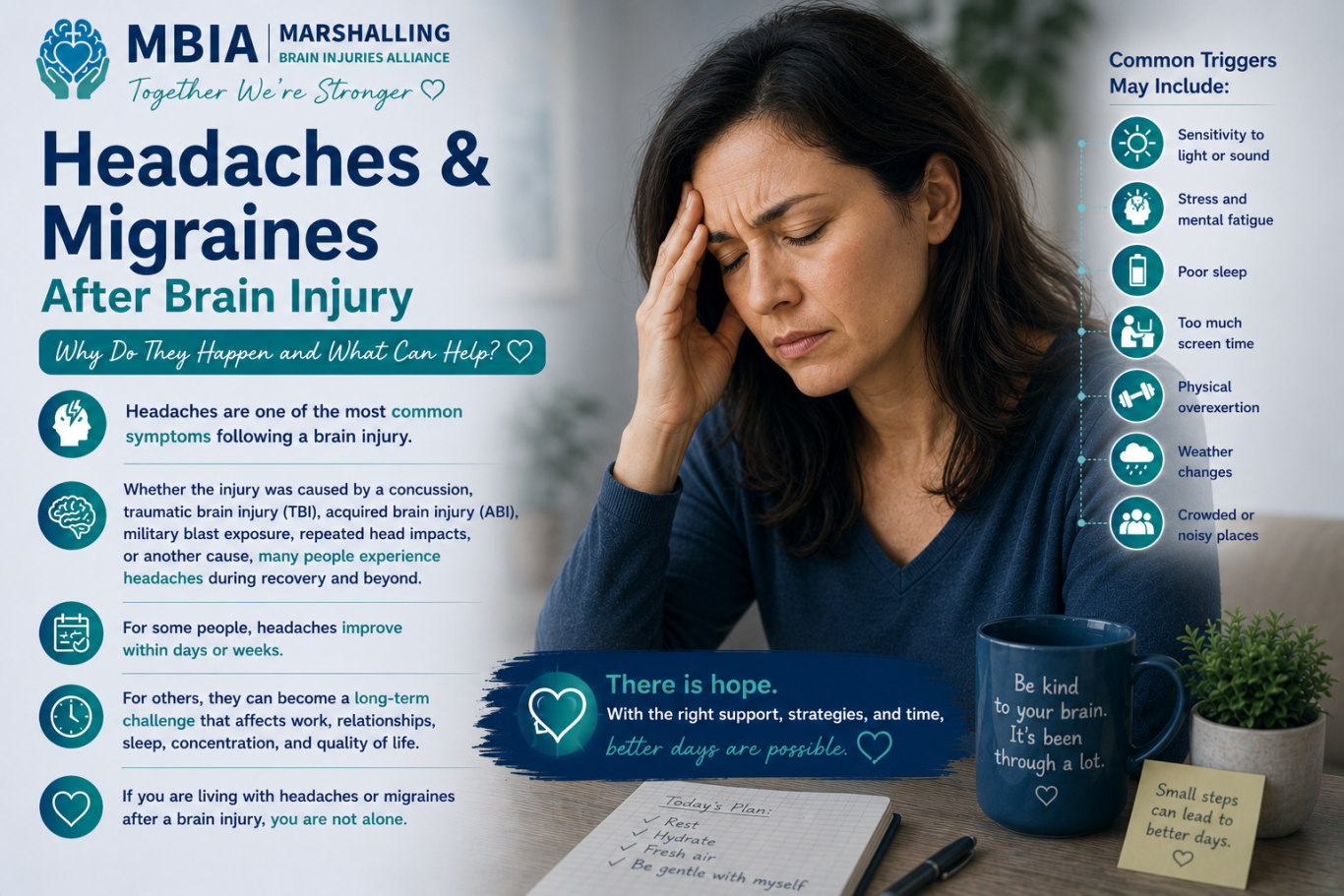
How Common Are Headaches After Brain Injury?
Headaches are among the most frequently reported symptoms after:
- Concussion
- Mild traumatic brain injury (mTBI)
- Moderate and severe TBI
- Repeated head trauma
- Post-Concussion Syndrome (PCS)
Many people experience headaches in the days and weeks following injury, while others continue to experience them months or years later.
When Should You Seek Medical Advice?
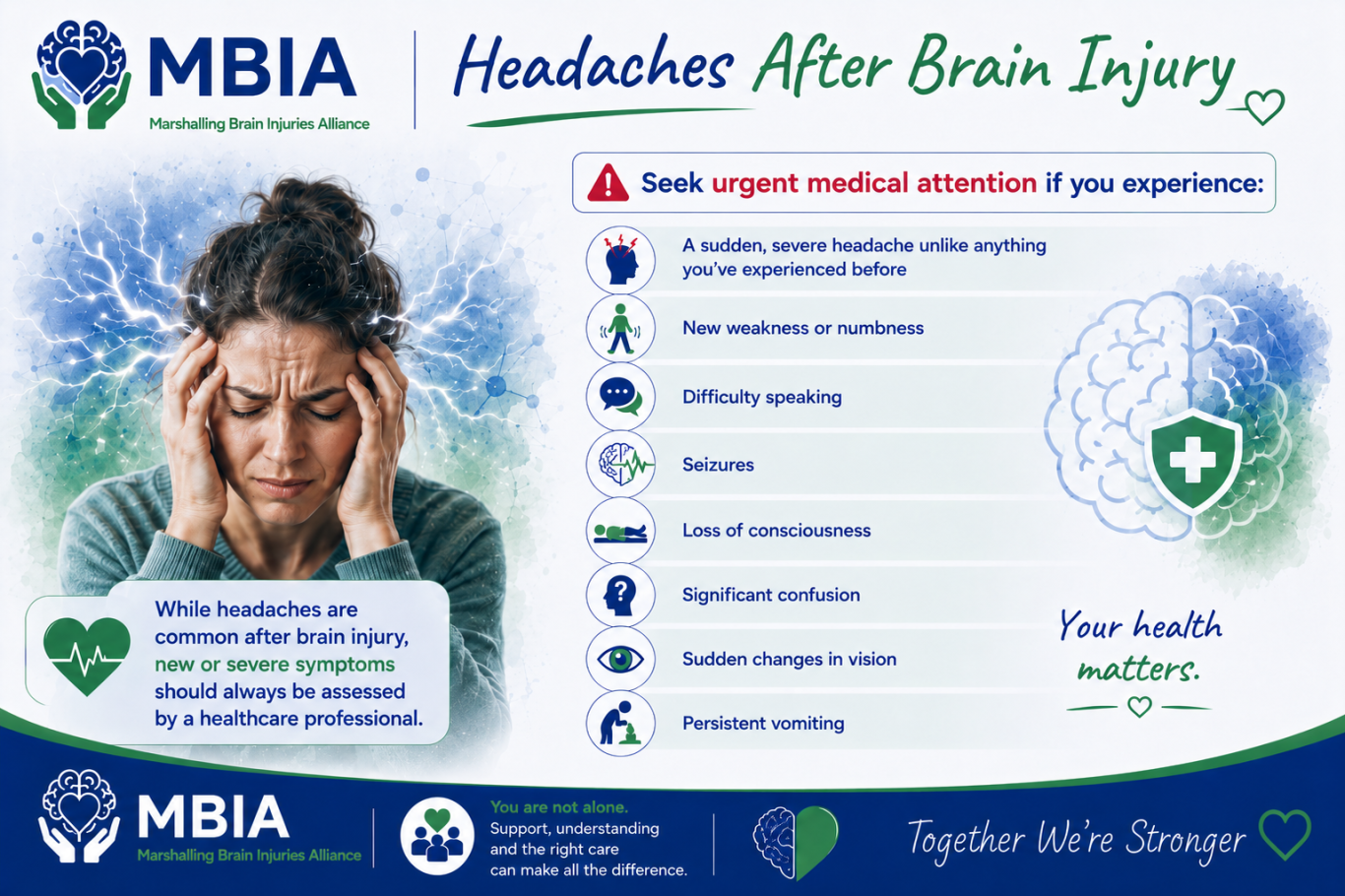
You should seek medical advice if:
- Headaches are new or worsening
- Headaches significantly affect daily life
- Symptoms suddenly change
- You experience new neurological symptoms
- Headaches are interfering with sleep or functioning
It is important not to assume every headache is simply related to a previous brain injury.
Why Do Headaches Happen After Brain Injury?
There is rarely one single cause.
In many cases, headaches result from a combination of factors.
Understanding potential causes can help guide treatment and management.
Changes Within the Brain
Following an injury, the brain undergoes a complex healing process.
This may involve:
- Changes in blood flow
- Neuroinflammation
- Altered nerve signalling
- Increased sensitivity to stimulation
These changes can contribute to headaches and migraines.
Neck Injuries
Many brain injuries occur alongside injuries to the neck.
Whiplash and neck strain are particularly common following:
- Falls
- Sporting injuries
- Road traffic collisions
Problems within the muscles, joints, and nerves of the neck can cause:
- Headaches
- Migraines
- Dizziness
- Visual disturbances
Sometimes the neck is contributing more to symptoms than people realise.
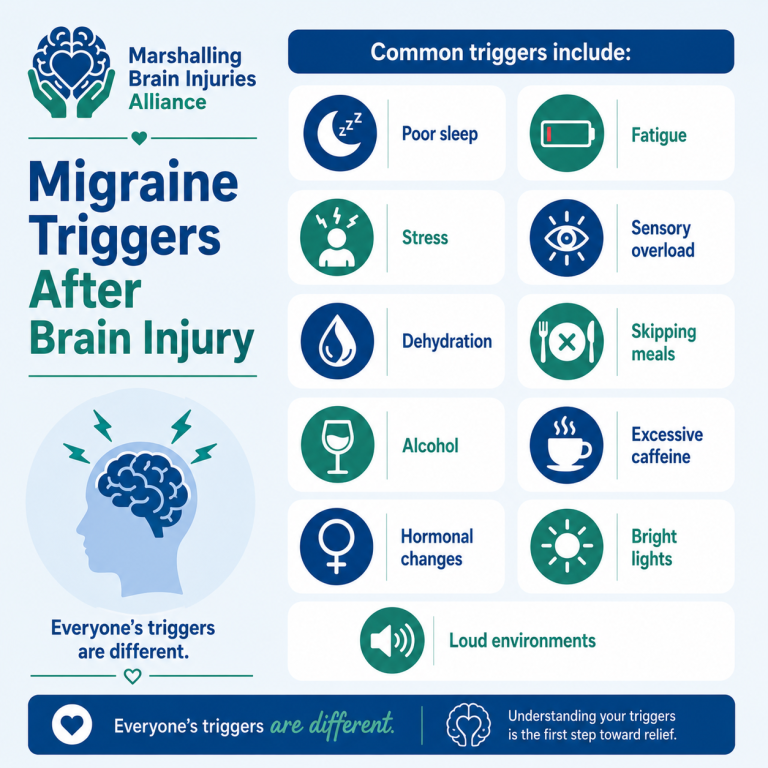
Sensory Overload
The injured brain often struggles to filter sensory information.
Exposure to:
- Bright lights
- Loud noises
- Crowds
- Busy environments
can trigger or worsen headaches.
Fatigue
Neuro fatigue and headaches often go hand in hand.
As the brain becomes tired, headaches frequently become worse.
Many people notice headaches increase later in the day when energy reserves are running low.
Sleep Problems
Poor sleep is one of the biggest headache triggers.
Common sleep difficulties after brain injury include:
- Insomnia
- Sleep apnoea
- Frequent waking
- Poor-quality sleep
- REM sleep disorders
Poor sleep can make headaches more frequent and more severe.
Stress and Emotional Strain
Living with a brain injury can be stressful.
Stress, anxiety, grief, frustration, and emotional overload can all contribute to headaches.
This does not mean the headaches are "psychological."
It simply reflects the close relationship between the brain, nervous system, and stress response.
Common Types of Headaches After Brain Injury
Tension-Type Headaches
Often described as:
- Tightness around the head
- Pressure
- A band-like sensation
These headaches are commonly linked to:
- Muscle tension
- Stress
- Fatigue
- Neck problems
Migraine
Migraines are common after brain injury.
Symptoms may include:
- Moderate to severe pain
- Throbbing sensations
- Light sensitivity
- Noise sensitivity
- Nausea
- Visual disturbances
Not all migraines involve a severe headache.
Some people experience migraine symptoms without significant pain.
Cervicogenic Headaches
These headaches originate from the neck.
Symptoms may include:
- Pain starting at the base of the skull
- Neck stiffness
- Pain radiating behind the eyes
- Headaches triggered by neck movement
Exertion Headaches
These headaches may occur following:
- Physical activity
- Mental effort
- Concentration
- Social interaction
Many people notice headaches after activities that increase cognitive load.
Medication Overuse Headaches
Sometimes frequent use of pain relief medication can actually contribute to ongoing headaches.
This is known as medication overuse headache.
If you are relying heavily on pain medication, discuss this with your healthcare provider.
Keeping a Headache Diary
One of the most useful tools for many people is a headache diary.
Track:
- When headaches occur
- Severity
- Sleep quality
- Stress levels
- Food and drink
- Activity levels
- Potential triggers
Patterns often become easier to identify over time.
Medical Treatments
Treatment depends on the type of headache and individual circumstances.
Potential options may include:
- Pain relief medications
- Migraine-specific medications
- Preventative migraine medications
- Treatment for sleep disorders
- Treatment for neck problems
- Management of underlying health conditions
Always discuss medication options with a qualified healthcare professional.
A Message of Hope
Living with headaches or migraines after a brain injury can be frustrating and exhausting.
Some days may feel overwhelming.
But many people find that understanding their triggers, improving sleep, managing fatigue, and finding the right combination of treatments significantly improves their quality of life.
Recovery is rarely about finding one magic solution.
More often, it involves building a toolkit of strategies that work for you.
Progress may be gradual, but it is possible.
Rehabilitation Approaches
Depending on the cause of the headaches, healthcare professionals may recommend:
Physiotherapy
Particularly if neck problems are contributing.
Vestibular Rehabilitation
If dizziness and balance issues are involved.
Vision Therapy
If visual problems are triggering symptoms.
Occupational Therapy
To help manage fatigue and pacing.
Psychological Support
To help manage stress, anxiety, and the emotional impact of chronic symptoms.
Self-Help Strategies
Gentle Physical Activity
For many people, gentle exercise may help support:
- Blood flow
- Sleep
- Mood
Stress management
Activities such as walking, swimming, or yoga may be beneficial if tolerated.
Manage Stress
Helpful techniques may include:
- Mindfulness
- Breathing exercises
- Meditation
- Counselling
- Spending time in nature
Review Alcohol and Caffeine Intake
Both alcohol and excessive caffeine may trigger headaches in some individuals.
Understanding your own triggers is important.
Many people find that a combination of small changes can significantly reduce headache frequency and severity.
Prioritise Sleep
Sleep is one of the most important factors in headache management.
Aim for:
- Consistent bedtimes
- Consistent wake times
- Good sleep hygiene
If you suspect sleep apnoea or another sleep disorder, seek medical advice.
Stay Hydrated
Dehydration is a common headache trigger.
Many people simply do not drink enough water throughout the day.
Don't Skip Meals
Low blood sugar can trigger headaches and migraines.
Regular, balanced meals may help.
Manage Fatigue
Fatigue is a major headache trigger.
Strategies such as:
- Pacing
- Rest breaks
- Energy management
can help reduce symptom flare-ups.
Reduce Sensory Overload
Consider:
- Sunglasses
- Noise-cancelling headphones
- Taking breaks from busy environments
when symptoms begin building.
Key Takeaways
- Headaches and migraines are common after brain injury.
- They may be caused by changes within the brain, neck injuries, fatigue, sleep problems, sensory overload, and stress.
- Different types of headaches require different management approaches.
- Sleep, hydration, pacing, stress management, and identifying triggers can all help.
- Medical treatments and rehabilitation may be beneficial depending on the cause.
- New or worsening headaches should always be discussed with a healthcare professional.
- Many people find significant improvements through a combination of treatment and self-management strategies.
Continue Exploring
Together We're Stronger