What Is a Concussion?
A concussion is a type of mild traumatic brain injury (mTBI).
It occurs when a force causes the brain to move rapidly inside the skull.
Common causes include:
- Falls
- Sporting injuries
- Road traffic collisions
- Assaults
- Workplace accidents
- Military blast exposure
- Domestic violence
Not everyone loses consciousness.
In fact, most people do not.
A concussion can occur even when brain scans appear normal.
What Is Post-Concussion Syndrome?
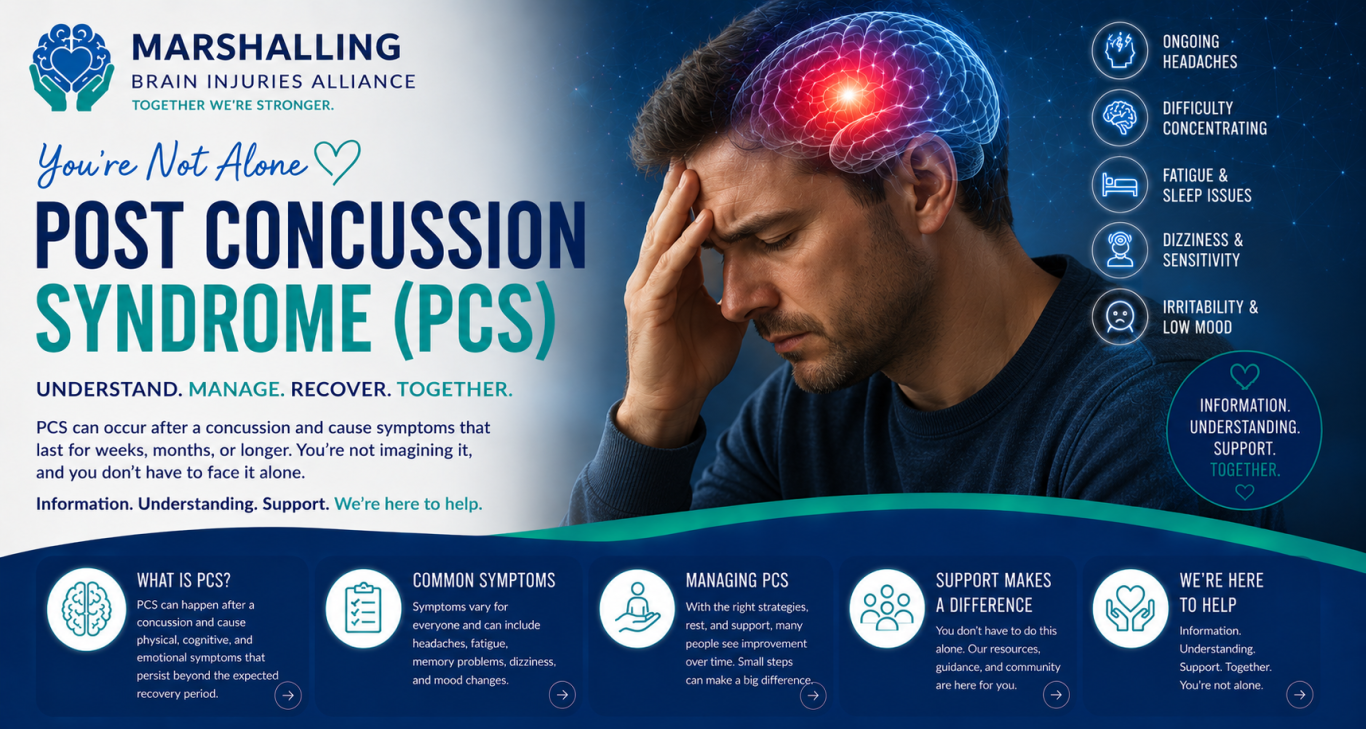
Post-Concussion Syndrome occurs when symptoms continue beyond the typical recovery period.
There is no universally agreed time frame, but many clinicians consider PCS when symptoms persist for:
- Several weeks
- Several months
- Or longer
The severity of symptoms does not always reflect the severity of the original injury.
Someone who experienced what appeared to be a relatively minor concussion may still develop persistent symptoms.
Common Symptoms of PCS
Symptoms vary from person to person.
Many people experience a combination of physical, cognitive, emotional, and sleep-related symptoms.
Physical Symptoms
These may include:
- Headaches
- Migraines
- Dizziness
- Balance problems
- Nausea
- Visual disturbances
- Light sensitivity
- Noise sensitivity
- Neck pain
- Fatigue
Cognitive Symptoms
People often describe:
- Brain fog
- Memory difficulties
- Poor concentration
- Slower thinking
- Difficulty finding words
- Reduced mental stamina
These symptoms can affect work, study, and everyday activities.
Emotional Symptoms
Common emotional symptoms include:
- Anxiety
- Irritability
- Frustration
- Low mood
- Depression
- Emotional sensitivity
Many people feel misunderstood because others cannot see
Sleep Problems
Sleep difficulties are extremely common and may include:
- Insomnia
- Broken sleep
- Excessive sleepiness
- Vivid dreams
- Poor sleep quality
Poor sleep can worsen many other PCS symptoms.
Why Do Symptoms Persist?
Researchers are still working to fully understand why some people recover quickly while others experience persistent symptoms.
The reality is that there is often no single cause.
Several factors may contribute.
Changes Within the Brain
Even when routine scans appear normal, the brain may still be recovering from functional changes caused by the injury.
Neuroinflammation
Following injury, the brain may experience inflammation and changes in cellular functioning.
These changes can contribute to symptoms.
Stress and Anxiety
Persistent symptoms can understandably create worry and anxiety.
This does not mean symptoms are psychological.
It simply means that emotional wellbeing can influence recovery, just as it does with many other medical conditions.
Neck Injuries
Concussions often occur alongside injuries to the neck.
Neck problems can contribute to:
- Headaches
- Dizziness
- Balance issues
- Visual symptoms
- Vestibular Dysfunction
The vestibular system helps control balance and spatial awareness.
Problems within this system can lead to:
- Dizziness
- Motion sensitivity
- Balance difficulties
- Visual Problems
Concussion can affect how the eyes and brain work together.
Symptoms may include:
- Blurred vision
- Difficulty reading
- Eye strain
- Headaches
- Sleep Disturbances
Poor sleep often creates a cycle where symptoms worsen, making recovery more difficult.
Common Challenges People Face
Many individuals with PCS report:
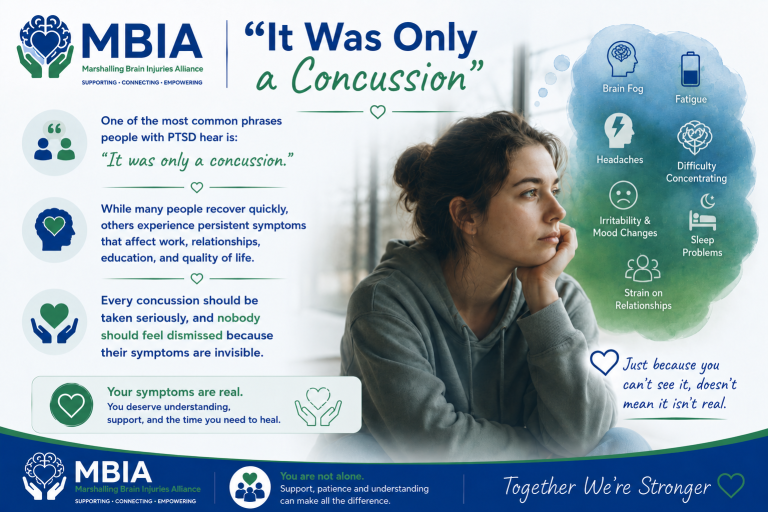
- Feeling Dismissed
- Because symptoms are often invisible.
- Normal Scans
Leading people to wonder if their symptoms are real.
Pressure to "Get Back to Normal"
From employers, schools, friends, or even themselves.
Loss of Confidence
Particularly when symptoms affect work, study, or everyday life.
Isolation
Feeling that nobody understands what they are experiencing.
Does PCS Mean Permanent Damage?
Not necessarily.
This is one of the biggest fears many people have.
Persistent symptoms do not automatically mean permanent brain damage.
Many people continue to improve months and even years after their injury.
Recovery may take longer than expected, but improvement remains possible.
How Is PCS Diagnosed?
There is currently no single test for Post-Concussion Syndrome.
Diagnosis is usually based on:
- Symptom history
- Medical assessment
- Concussion history
- Excluding other possible causes
Healthcare professionals may recommend additional investigations depending on symptoms.
What Can Help?
Recovery approaches vary depending on the individual and their symptoms.
There is rarely a one-size-fits-all solution.
Symptom-Led Rehabilitation
Treatment often focuses on addressing the symptoms that are most affecting quality of life.
This may include:
- Vestibular rehabilitation
- Vision therapy
- Physiotherapy
- Occupational therapy
- Psychological support
- Sleep management strategies
Pacing
One of the most important strategies for many people with PCS.
Pacing involves balancing activity and rest to avoid symptom flare-ups.
Many people find that pushing through symptoms can make recovery harder.
Sleep Optimisation
Improving sleep can have a significant impact on:
- Fatigue
- Memory
- Mood
- Headaches
- Recovery
- Managing Stress
Stress management techniques may help reduce symptom burden and improve overall wellbeing.
Physical Activity
Current guidance generally supports a gradual return to appropriate physical activity rather than prolonged complete rest.
Any return to exercise should be guided by symptoms and healthcare advice.
Support and Education
Understanding what is happening can often reduce fear and uncertainty.
Many people benefit from:
- Peer support groups
- Educational resources
- Professional guidance
- Recovery Takes Time
One of the most important things to understand about PCS is that recovery is rarely linear.
You may experience:
- Good days
- Bad days
- Progress
- Setbacks
This is normal.
Setbacks do not necessarily mean recovery has stopped.
A Message Of Hope
If you are living with Post-Concussion Syndrome, it can sometimes feel as though your life has been placed on hold.
You may feel frustrated, exhausted, or worried about the future.
These feelings are understandable.
But many people continue to improve long after their concussion.
Recovery may not happen as quickly as you hoped.
It may not follow the path you expected.
But improvement is possible.
Be patient with yourself.
Celebrate small victories.
And remember that you are not alone.
Key Takeaways
- Post-Concussion Syndrome (PCS) occurs when concussion symptoms persist beyond the expected recovery period.
- Symptoms may include headaches, fatigue, dizziness, brain fog, memory difficulties, sleep problems, and emotional changes.
- Persistent symptoms do not automatically mean permanent damage.
- Normal brain scans do not rule out PCS.
- Recovery is often influenced by multiple factors, including sleep, neck injuries, vestibular dysfunction, stress, and overall health.
- Rehabilitation and symptom management can help.
- Many people continue improving months and even years after injury.
- Recovery is often slow, but there is reason for hope.
Continue Exploring
Together We're Stronger