Why Does Brain Injury Affect Relationships?
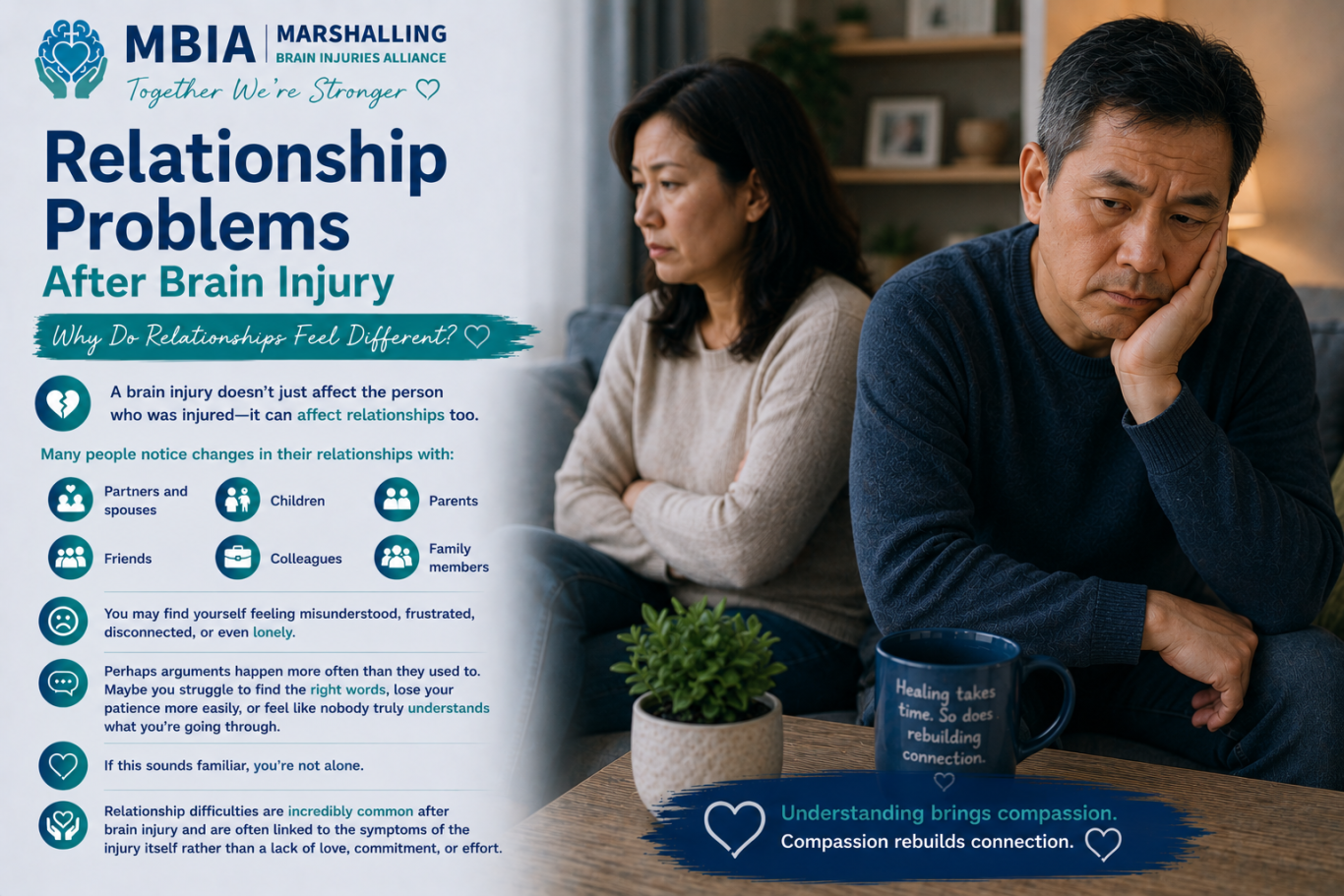
Relationships rely on many skills that can be affected by brain injury.
These include:
- Communication
- Emotional regulation
- Memory
- Patience
- Problem-solving
- Social skills
- Energy levels
- Understanding other people's perspectives
When these areas become more challenging, relationships often feel the impact.
Fatigue Changes Everything
One of the biggest relationship challenges after brain injury is fatigue.
When you're exhausted:
- You may have less patience
- Socialising may feel overwhelming
- Conversations may require more effort
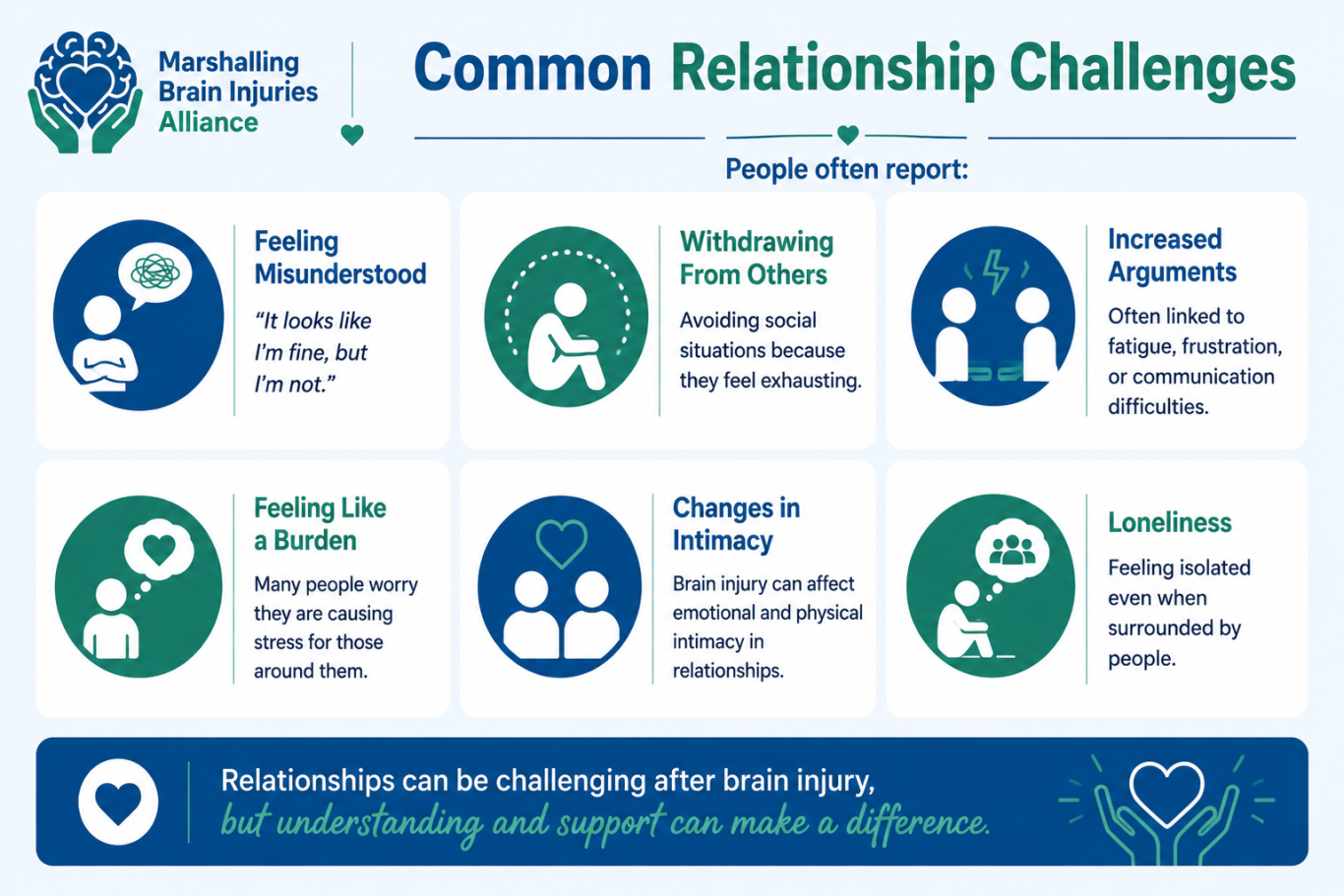
- You may withdraw from others
- Small problems can feel much bigger
Many people find they simply don't have the energy they once had for relationships.
This doesn't mean you care any less about the people around you.
Communication Can Become Harder
Many people experience:
- Difficulty finding words
- Losing their train of thought
- Slower processing speed
- Difficulty following conversations
- Trouble expressing emotions
This can lead to misunderstandings and frustration.
Sometimes people know exactly what they want to say but struggle to get the words out.
Memory Problems Can Cause Tension
Forgetting:
- Conversations
- Plans
- Appointments
- Birthdays
- Promises
can understandably lead to frustration on both sides.
You may feel guilty for forgetting.
Your loved ones may feel hurt or believe you weren't paying attention.
In reality, memory difficulties are often symptoms of the injury rather than a lack of care.
Emotional Changes
Brain injuries can affect emotional regulation.
You may notice:
- Increased irritability
- Anger
- Anxiety
- Mood swings
- Emotional outbursts
- Feeling more sensitive
These changes can place strain on even the strongest relationships.
Changes in Roles and Responsibilities
Brain injury can change family dynamics.
You may no longer be able to do things you once did.
Perhaps:
- Your partner has taken on more responsibilities
- You can no longer work
- Family members help with appointments or finances
- You rely on others more than before
These changes can be difficult to accept and may affect self-esteem and independence.
Tips for Managing Relationship Difficulties
While brain injury can place strain on relationships, there are many ways to strengthen communication and understanding.
1. Be Honest About Your Symptoms
People cannot see most brain injury symptoms.
Explaining things such as:
- Fatigue
- Memory problems
- Sensory overload
- Brain fog
can help others understand what you are experiencing.
2. Communicate Before You Reach Breaking Point
Many conflicts occur when symptoms have already become overwhelming.
Try saying:
- "I'm getting tired."
- "I'm struggling to concentrate."
- "I need a break."
- "I'm feeling overloaded."
Early communication can prevent misunderstandings.
3. Learn Your Triggers
Notice situations that commonly create tension.
Examples may include:
- Fatigue
- Noise
- Busy environments
- Stress
- Long conversations
Recognising triggers allows you to plan ahead.
4. Take Breaks When Needed
Stepping away from a situation is not giving up.
Sometimes the brain simply needs time to recover.
A short break can prevent a small disagreement becoming a major argument.
5. Focus on Quality, Not Quantity
You may not have the energy to socialise as much as before.
That doesn't mean relationships cannot remain meaningful.
Sometimes a short, positive interaction is more valuable than forcing yourself through a long one.
6. Don't Be Afraid to Ask for Help
Support may come from:
- Family members
- Friends
- Support groups
- Counsellors
- Therapists
You don't have to manage everything alone.
7. Practice Self-Compassion
Many people blame themselves for relationship difficulties.
Remember:
- You are dealing with a brain injury.
- Some challenges are symptoms, not personal failures.
8. Keep Talking
Even when conversations feel difficult, communication remains important.
You don't need to have all the answers.
Sometimes simply saying:
- "I'm struggling today."
can help others understand what is happening.
Relationships Can Adapt
Many people worry their relationships will never recover.
While relationships may change after a brain injury, change does not automatically mean failure.
Many families develop:
- Better communication
- Greater understanding
- Stronger emotional connections
- New ways of supporting one another
Relationships often evolve as both people learn to adapt.
A Message of Hope
If your relationships feel difficult right now, you're not alone.
Brain injury affects far more than physical symptoms. It can influence how we communicate, connect, and relate to the people we care about most.
The challenges are real, but so is the possibility of growth, understanding, and stronger connections.
Be patient with yourself.
Recovery isn't just about healing the brain—it's also about learning new ways to navigate life and relationships.
Grieving the Life You Expected
Many people experience a sense of loss after brain injury.
You may be grieving:
- The person you used to be
- Your career
- Your independence
- Your hobbies
- Your plans for the future
Sometimes this grief affects relationships because it is difficult to explain to others what you are feeling.
Key Takeaways
Continue Exploring
Together, We're Stronger.
Key Takeaways
- Relationship difficulties are common after brain injury.
- Fatigue, memory problems, communication difficulties, emotional changes, and role changes can all contribute.
- Symptoms often affect relationships more than people realise.
- Honest communication and understanding can reduce conflict.
- Taking breaks, recognising triggers, and asking for support can help.
- Relationships may change, but many continue to grow and strengthen over time.
Continue Exploring
Together We're Stronger