What Are Invisible Symptoms?
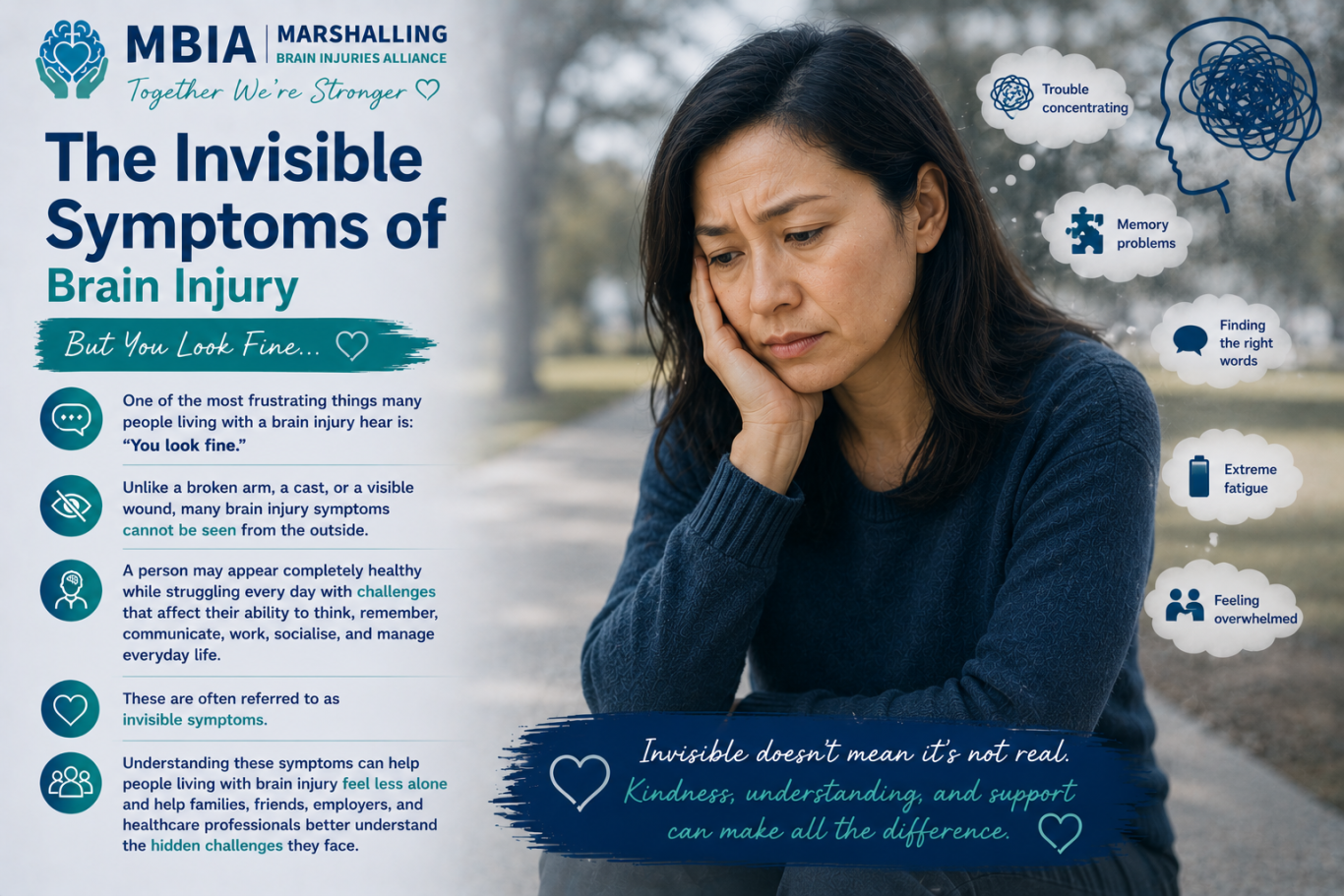
Invisible symptoms are difficulties that cannot usually be seen by looking at someone.
They may affect:
- Thinking
- Memory
- Emotions
- Behaviour
- Energy levels
- Sleep
- Sensory processing
- Mental health
Because these symptoms are hidden, many people experience misunderstanding, judgement, and a lack of support.
A Normal MRI Does Not Mean a Normal Brain
This is one of the most important things to understand.
A standard MRI shows the structure of the brain.
It does not always show how the brain is functioning.
Think of it like this:
A mechanic can look at the outside of a car and see that it appears intact.
That does not mean the engine is running properly.
Similarly, a brain may appear structurally normal while still experiencing functional problems.
Why Do Invisible Symptoms Occur?
The brain controls almost everything we do.
It manages:
- Memory
- Attention
- Emotions
- Movement
- Sleep
- Communication
- Decision making
- Social interactions
When the brain is injured, these systems may not work as efficiently as before.
The result can be symptoms that are very real but impossible for others to see.
Why Invisible Symptoms Are Often Misunderstood
Because symptoms cannot be seen, people are often told:
- "You look fine."
- "Everyone gets tired."
- "You're just stressed."
- "It's all in your head."
- "You need to try harder."
These comments can be deeply hurtful.
The reality is that many people are working incredibly hard simply to get through the day.
Common Invisible Symptoms of Brain Injury
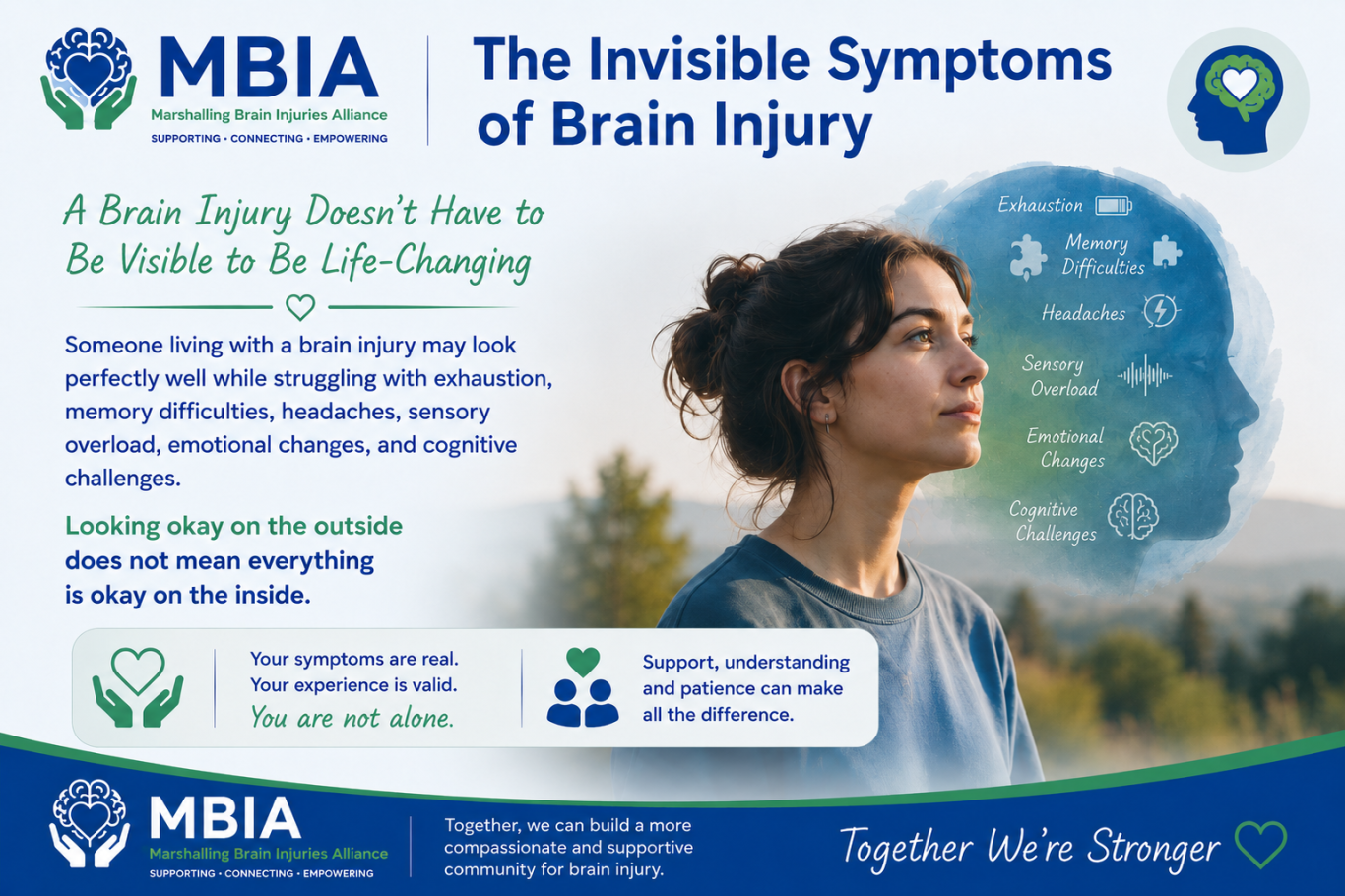
Every brain injury is different, but many people experience some of the following.
Fatigue
Fatigue is one of the most common symptoms after brain injury.
This is not ordinary tiredness.
Many people describe it as:
- Mental exhaustion
- Physical exhaustion
- Feeling as though their battery drains quickly
- Needing longer to recover after activities
Simple tasks that once felt effortless may now require significant energy.
Neuro Fatigue
The injured brain often has to work harder to complete everyday tasks.
Conversations, shopping, concentrating, reading, and socialising may use far more energy than before.
This can lead to cognitive or neurological fatigue, often called neuro fatigue.
Memory Problems
Many people struggle with:
- Forgetting conversations
- Misplacing items
- Missing appointments
- Forgetting names
- Difficulty remembering information
This can be frustrating for both the individual and their loved ones.
Importantly, memory difficulties do not mean someone doesn't care.
They are often a symptom of the injury itself.
Brain Fog
Brain fog is a term commonly used to describe:
- Slower thinking
- Difficulty concentrating
- Mental confusion
- Trouble finding words
- Difficulty processing information
Many people say it feels like trying to think through a thick fog.
Sensory Overload
Following a brain injury, the brain may struggle to filter information effectively.
Things that once felt normal may become overwhelming.
Examples include:
- Busy shops
- Crowds
- Loud noises
- Bright lights
- Multiple conversations
What looks like anxiety or irritability may actually be sensory overload.
Headaches & Migraines
Persistent headaches are common after brain injury.
Some people experience:
- Daily headaches
- Migraines
- Pressure sensations
- Neck-related headaches
These symptoms can significantly affect quality of life.
Sleep Problems
Many people experience:
- Insomnia
- Poor-quality sleep
- Excessive sleepiness
- Sleep apnoea
- Vivid dreams
- REM sleep disorders
Poor sleep can worsen many other symptoms.
Emotional Changes
Brain injury can affect emotional regulation.
People may experience:
- Irritability
- Anger
- Anxiety
- Depression
- Mood swings
- Emotional sensitivity
These changes are often misunderstood by others.
Personality Changes
Some people notice changes in:
- Confidence
- Motivation
- Social behaviour
- Emotional responses
Family members may notice these changes before the individual does.
This can be one of the most challenging aspects of brain injury for everyone involved.
Difficulties With Communication
Communication problems may include:
- Finding words
- Following conversations
- Processing information
- Understanding complex instructions
People may know exactly what they want to say but struggle to express it.
Executive Function Difficulties
Executive functions are the brain's management skills.
They help us:
- Plan
- Organise
- Prioritise
- Start tasks
- Complete tasks
- Manage time
When executive functioning is affected, everyday life can become much more difficult.
Anxiety & Depression
Mental health difficulties are common following brain injury.
This may be due to:
- Changes within the brain
- Loss of independence
- Chronic symptoms
- Social isolation
- Uncertainty about the future
These experiences are not a sign of weakness.
They are common and understandable responses to significant life changes.
The Impact on Families
Invisible symptoms affect entire families.
Partners, children, and carers may notice:
- Increased fatigue
- Memory difficulties
- Mood changes
- Withdrawal from activities
- Reduced independence
Without understanding the cause, these changes can lead to frustration and misunderstandings.
Education is often one of the most powerful tools families have.
What Patients Want Others to Understand
Many people living with brain injury say:
"Just because you can't see it doesn't mean it isn't real."
"I'm doing the best I can."
"I wish I could do the things I used to do."
"Some days are harder than others."
"I haven't given up—my brain is working harder than you realise."
How You Can Help
Whether you are living with a brain injury or supporting someone who is:
- Learn About Brain Injury
- Understanding symptoms often reduces frustration.
- Be Patient
- Recovery and adaptation take time.
- Avoid Judgement
Many symptoms are invisible and fluctuate from day to day.
Communicate Openly
Talking about symptoms helps others understand what is happening.
Seek Support
You do not have to navigate brain injury alone.
Support groups, healthcare professionals, and trusted organisations can all help.
A Message of Hope
Invisible symptoms can be some of the most challenging aspects of brain injury because they are often misunderstood by others.
But understanding is growing.
More people are recognising that brain injuries are not always visible and that hidden symptoms can have a significant impact on daily life.
The more we talk about these symptoms, the more awareness we create.
And with awareness comes understanding, compassion, and support.
Key Takeaways
- Many brain injury symptoms are invisible to others.
- Common hidden symptoms include fatigue, memory problems, brain fog, sleep difficulties, emotional changes, and sensory overload.
- Invisible symptoms are real and can significantly affect quality of life.
- Family members may struggle to understand symptoms they cannot see.
- Education and communication can improve understanding and support.
- You are not alone in what you are experiencing.
Continue Exploring
Together We're Stronger