What Is Dementia?
Dementia is not a single disease.
It is an umbrella term used to describe a group of symptoms that affect:
- Memory
- Thinking
- Communication
- Problem-solving
- Behaviour
- Everyday functioning
There are many different causes of dementia, including:
- Alzheimer's disease
- Vascular dementia
- Lewy body dementia
- Frontotemporal dementia
- Mixed dementia
Each type affects the brain in different ways.
Does a Single Concussion Cause Dementia?
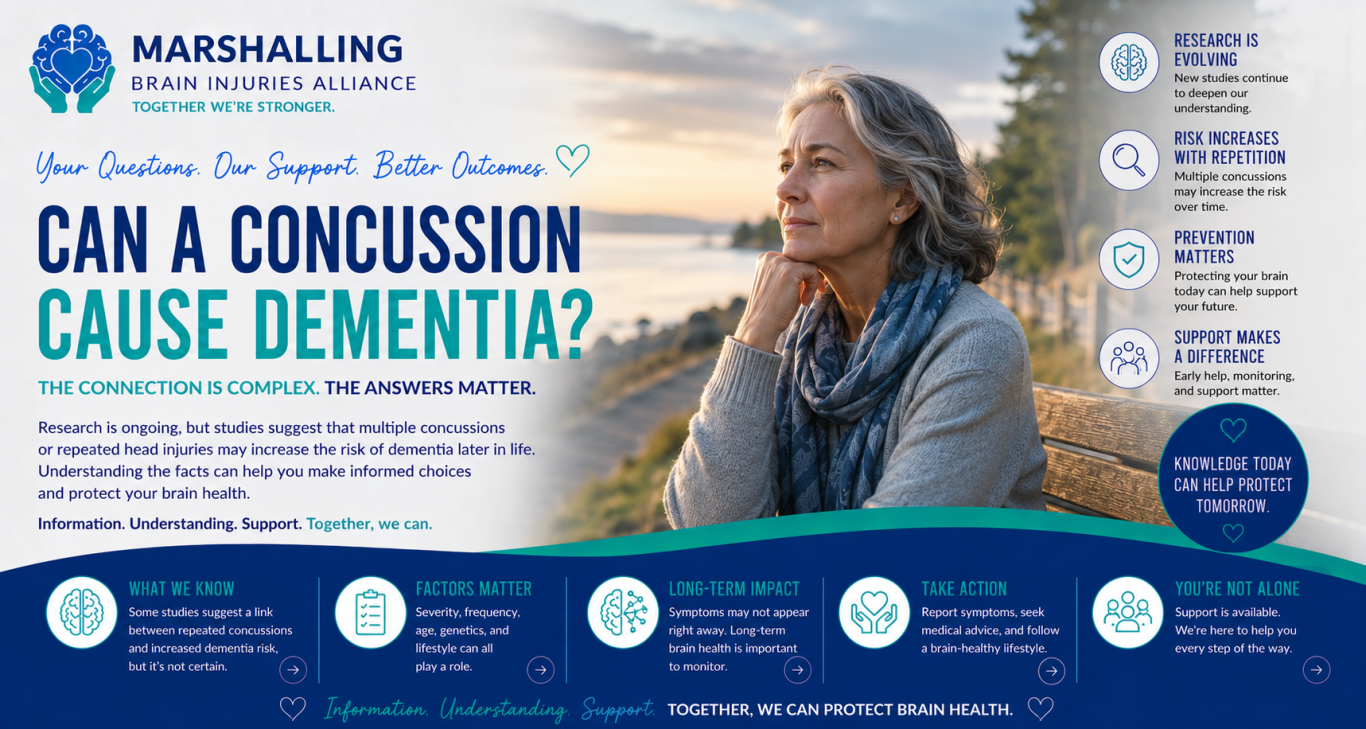
For most people, a single concussion will not result in dementia.
The majority of people who experience a concussion do not go on to develop dementia.
However, research has found that people who have experienced traumatic brain injuries may have a higher risk of developing dementia later in life compared to those who have never sustained a brain injury.
The degree of risk appears to depend on several factors, including:
- Number of injuries
- Severity of injuries
- Age at injury
- Overall health
- Genetics
- Lifestyle factors
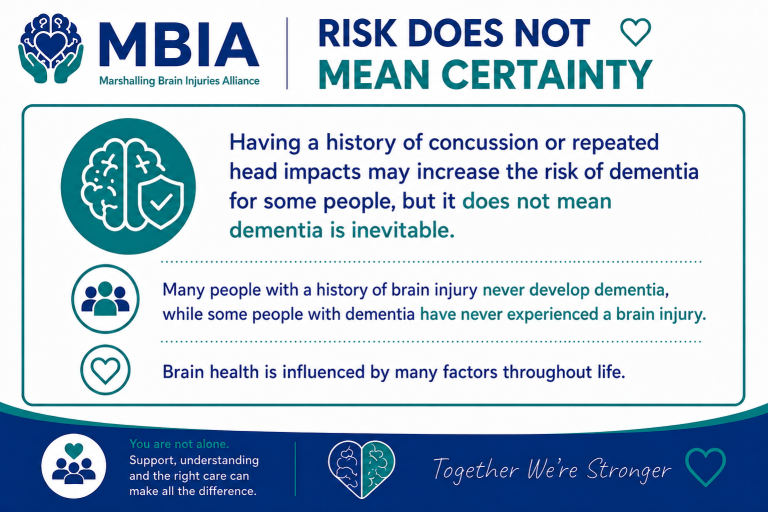
It is important to understand that increased risk does not mean certainty.
Many people with a history of concussion never develop dementia.
What Are Sub-Concussive Impacts?
Sub-concussive impacts are head impacts that do not cause obvious concussion symptoms.
In other words:
- No diagnosis of concussion
- No loss of consciousness
- No obvious immediate symptoms
Despite this, the brain still experiences force.
Examples may occur in:
- Contact sports
- Military training
- Certain occupations
- Repeated falls
- Domestic abuse
Historically, these impacts received little attention because they did not cause obvious symptoms.
Research is now exploring whether repeated exposure to sub-concussive impacts may affect long-term brain health.
What Does the Research Show?
Research over the past two decades has identified associations between traumatic brain injury and an increased risk of dementia.
Scientists believe brain injury may contribute to:
- Neuroinflammation
- Changes in brain structure
- Damage to nerve cells
- Abnormal protein accumulation
- Reduced cognitive reserve
These processes may influence brain health over time.
However, researchers are still working to understand exactly how brain injuries interact with other dementia risk factors.
What About Multiple Concussions?
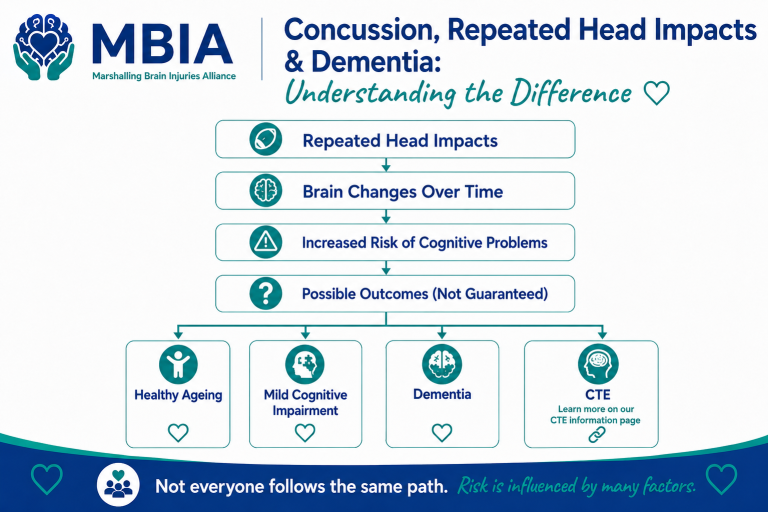
Evidence suggests that repeated concussions may be more concerning than a single isolated concussion.
Repeated injuries can potentially lead to cumulative damage over time.
This is one reason why concussion management in sport has changed significantly in recent years.
Proper recovery and avoiding further injury before healing has occurred are considered extremely important.
Can Sub-Concussive Impacts Increase Dementia Risk?
Researchers increasingly believe that repeated sub-concussive impacts may contribute to changes within the brain over time.
Studies involving:
- Former athletes
- Military veterans
- Individuals exposed to repeated head impacts
have found evidence of long-term brain changes in some individuals.
However, there is still much we do not fully understand.
Not everyone exposed to repeated head impacts develops cognitive decline or dementia.
Scientists are currently investigating why some people appear more vulnerable than others.
Potential factors include:
- Genetics
- Age of exposure
- Duration of exposure
- Number of impacts
- Overall brain health
- Lifestyle factors
What Is Cognitive Reserve?
One important concept in dementia research is cognitive reserve.
Cognitive reserve refers to the brain's ability to cope with damage or disease.
Factors that may support cognitive reserve include:
- Education
- Physical activity
- Social engagement
- Lifelong learning
- Good cardiovascular health
Researchers believe cognitive reserve may help explain why some individuals remain cognitively healthy despite brain changes.
What About Chronic Traumatic Encephalopathy (CTE)?
CTE is a neurodegenerative disease associated with repeated head impacts.
Unlike Alzheimer's disease, CTE is linked to abnormal accumulations of a protein called tau in specific patterns within the brain.
Current evidence suggests CTE is associated with:
- Repeated concussions
- Repeated sub-concussive impacts
- Long-term exposure to head trauma
However, not everyone with repeated head impacts develops CTE.
Likewise, not everyone who develops dementia has CTE.
CTE and dementia are related but are not the same thing.
Does Dementia Only Affect Athletes?
No.
Although much of the media attention focuses on sport, repeated head trauma can occur in many settings.
These include:
- Military service
- Domestic abuse
- Road traffic collisions
- Falls
- Certain occupations
- Contact sports
Anyone exposed to repeated head injuries may potentially be at increased risk.
While there is no guaranteed way to prevent dementia, many factors that support overall brain health may also help reduce risk.
These include:
Physical Activity
Regular exercise supports:
- Blood flow
- Cardiovascular health
- Brain health
Good Sleep
Sleep plays an important role in:
- Memory
- Brain repair
- Waste clearance systems within the brain
Managing Health Conditions
Conditions such as:
- High blood pressure
- Diabetes
- Obesity
- Sleep apnoea
may affect dementia risk.
Staying Mentally Active
Learning new skills and challenging the brain may help support cognitive reserve.
Staying Socially Connected
Social interaction is linked to better brain health and wellbeing.
Can You Reduce Your Risk?
Symptoms You Should Watch Out For
Occasional forgetfulness is normal and does not automatically indicate dementia.
However, persistent concerns should be discussed with a healthcare professional.
Examples include:
- Increasing memory problems
- Difficulty managing everyday tasks
- Changes in judgement
- Communication difficulties
- Personality changes
- Increasing confusion
Early assessment is important.
A Message for People Living With Brain Injury
Many people become frightened when they hear about dementia and brain injury.
It is important to remember:
A history of concussion does not mean dementia is inevitable.
A history of repeated head impacts does not guarantee you will develop CTE.
Risk is not the same as certainty.
Many factors influence long-term brain health.
Focusing on what you can control today is often more helpful than worrying about what might happen decades from now.
A Message for Families
If your loved one has experienced concussions or repeated head impacts, it is natural to have concerns about the future.
Education, monitoring symptoms, supporting healthy lifestyle choices, and seeking appropriate medical advice when needed are all positive steps.
Knowledge is empowering.
Fear is not.
Key Takeaways
- A single concussion does not automatically cause dementia.
- Research suggests traumatic brain injury may increase the risk of dementia later in life.
- Repeated concussions and repeated head impacts appear more concerning than a single isolated injury.
- Sub-concussive impacts may contribute to long-term brain changes even when no concussion symptoms occur.
- Not everyone exposed to repeated head trauma develops dementia or CTE.
- Dementia is influenced by many factors, including genetics, health, lifestyle, and brain injury history.
- Protecting brain health throughout life may help reduce risk.
- Increased risk does not mean certainty.
Continue Exploring
Together We're Stronger