Symptoms That May Become More Noticeable Later
People commonly report:
Memory Problems
Difficulty remembering names, appointments, conversations, or information.
Brain Fog
Feeling mentally slower or less clear than before.
Fatigue
Particularly neuro fatigue or mental exhaustion.
Concentration Problems
Difficulty focusing or multitasking.
Emotional Changes
Including:
- Irritability
- Anxiety
- Mood swings
- Emotional sensitivity
Sleep Problems
Difficulty falling asleep, staying asleep, or feeling rested.
Headaches
Persistent or recurring headaches and migraines.
Sensory Overload
Increased sensitivity to noise, light, crowds, or busy environments.
Can Brain Injury Symptoms develop or Return Later?
The Short Answer
Yes.
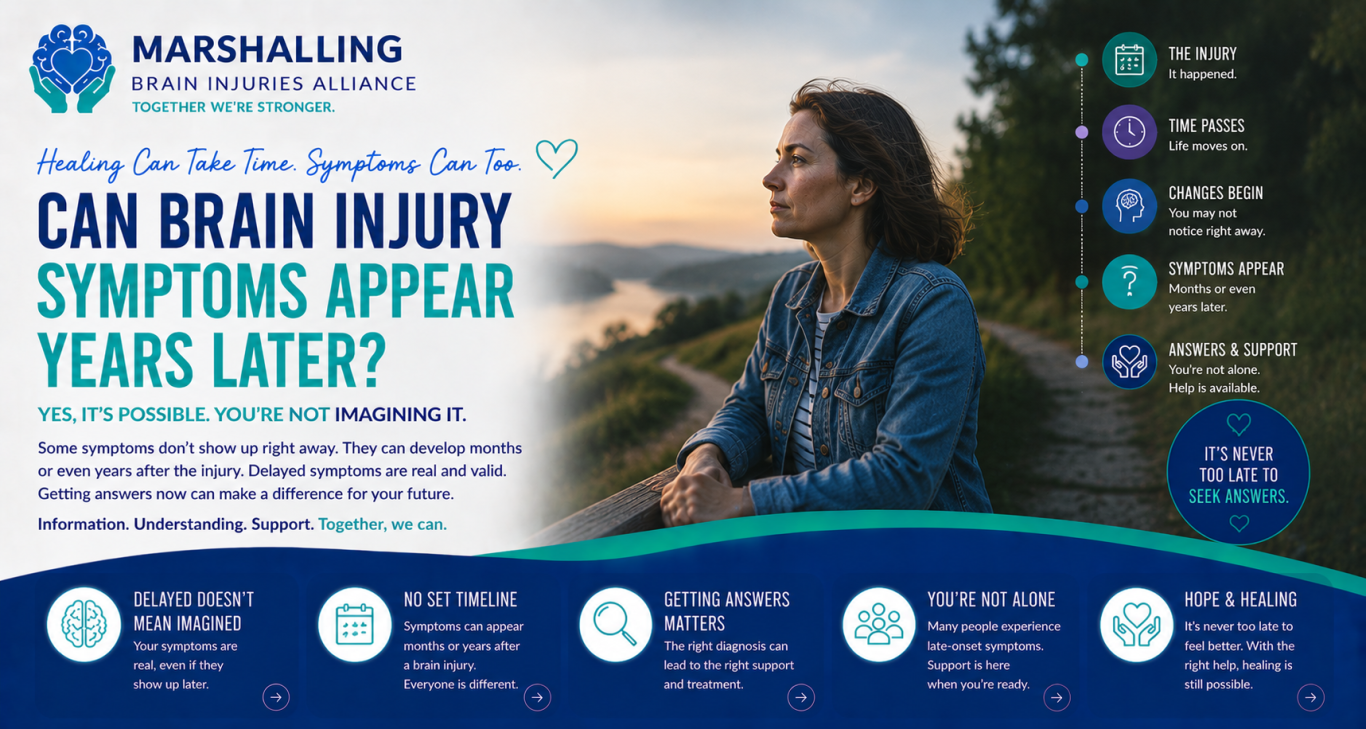
Brain injury symptoms can sometimes appear, worsen, or become more noticeable years after the original injury.
However, this does not happen to everyone.
It is also important to remember that not every new symptom years later is automatically caused by a previous brain injury.
A proper medical assessment is always important.
What Does the Research Show?
Research over the past two decades has identified associations between traumatic brain injury and an increased risk of dementia.
Scientists believe brain injury may contribute to:
- Neuroinflammation
- Changes in brain structure
- Damage to nerve cells
- Abnormal protein accumulation
- Reduced cognitive reserve
These processes may influence brain health over time.
However, researchers are still working to understand exactly how brain injuries interact with other dementia risk factors.
Why Might Symptoms Appear Years Later?
There are several possible explanations.
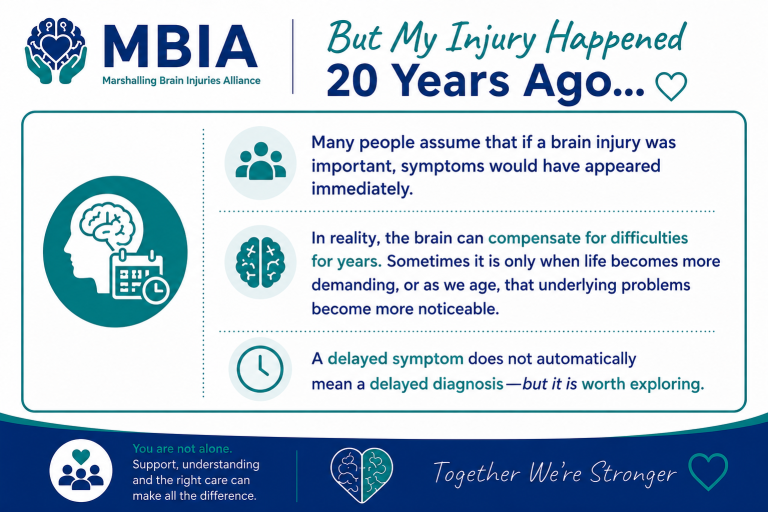
The Brain Compensates
One reason symptoms may not be obvious initially is because the brain is incredibly adaptable.
This ability is known as:
Neuroplasticity
The brain can often find alternative ways of performing tasks.
In the early years after an injury, these compensatory strategies may successfully mask underlying difficulties.
People often continue working, raising families, and managing daily life without fully realising how much effort their brain is using.
Increased Life Demands
Many people cope well until life becomes more demanding.
For example:
- A promotion at work
- Increased responsibilities
- Caring responsibilities
- Ageing parents
- Retirement
- Health problems
As demands increase, the brain may struggle to maintain the same level of compensation.
Symptoms that were previously manageable may become more noticeable.
The "Cognitive Reserve" Theory
Researchers often talk about something called:
Cognitive Reserve
Cognitive reserve refers to the brain's ability to cope with injury or disease.
Some people build greater cognitive reserve through factors such as:
- Education
- Learning
- Work experience
- Social engagement
- Mental stimulation
This reserve can sometimes mask difficulties for years.
As reserve decreases with age or increasing demands, symptoms may become more obvious.
Ageing and Brain Injury
Ageing affects everyone.
As we get older, it is normal for:
- Processing speed to slow slightly
- Memory to become less efficient
- Recovery to take longer
For people with a previous brain injury, these normal age-related changes may interact with existing vulnerabilities.
This can sometimes make old problems more noticeable.
Fatigue and Burnout
Many people spend years unknowingly compensating for brain injury-related difficulties.
This often requires:
- Increased effort
- Longer working hours
- Constant concentration
- Careful planning
Over time, maintaining these strategies can become exhausting.
Some people describe reaching a point where:
"I just couldn't keep compensating anymore."
This can make symptoms appear to emerge suddenly, even though the underlying changes have been present for years.
Repeated Head Trauma
For some people, the issue is not one injury but repeated injuries.
Examples include:
- Contact sports
- Military service
- Domestic abuse
- Falls
- Repetitive occupational exposure
Repeated trauma may increase the likelihood of long-term neurological problems.
Can a Concussion Cause Problems Years Later?
Most people recover well from a concussion.
However, some individuals experience:
- Persistent symptoms
- Ongoing cognitive difficulties
- Long-term changes in function
In some cases, people only recognise these difficulties years later when comparing themselves to how they once functioned.
What About Repeated Concussions?
Repeated concussions appear to be associated with a greater risk of long-term neurological problems.
Research is ongoing, but concerns include:
- Cognitive decline
- Mood changes
- Neurodegenerative disease
- Chronic Traumatic Encephalopathy (CTE)
Not everyone exposed to repeated concussions develops these conditions.
However, awareness of the potential risks has increased significantly in recent years.
Does Delayed Symptoms Mean Progressive Damage?
Not necessarily.
This is an important distinction.
Many delayed symptoms are thought to reflect:
- Reduced ability to compensate
- Increased life demands
- Ageing
- Fatigue
- Stress
rather than ongoing damage.
However, some neurological conditions linked to repeated head trauma may involve progressive changes.
This is why assessment by healthcare professionals is important.
Can Brain Injuries Be Misdiagnosed Years Later?
Yes.
Many people spend years being diagnosed with:
- Anxiety
- Depression
- Burnout
- PTSD
- Fibromyalgia
- Menopause-related symptoms
- Chronic fatigue
These conditions may genuinely exist.
However, an underlying brain injury may sometimes be overlooked.
Because many symptoms overlap, identifying the role of a previous brain injury can be challenging.
What Should You Do If You Suspect an Old Brain Injury
Is Affecting You?
Reviewing Your History
Think about:
- Sports participation
- Military service
- Accidents
- Falls
- Domestic abuse
- Previous concussions
Many people forget injuries that occurred years earlier.
Tracking Symptoms
Keeping a symptom diary can help identify patterns and triggers.
Seeking Medical Advice
Discuss concerns with a healthcare professional, particularly if symptoms are affecting daily life.
Learning About Brain Injury
Education can help people better understand their experiences and advocate for themselves.
A Message for Families
Families are often the first to notice changes.
You may observe:
Memory difficulties
Personality changes
Reduced tolerance for stress
Increased fatigue
Emotional changes
These changes can be frustrating and frightening.
Understanding that they may have neurological roots can help reduce blame and improve support.
Message of Hope
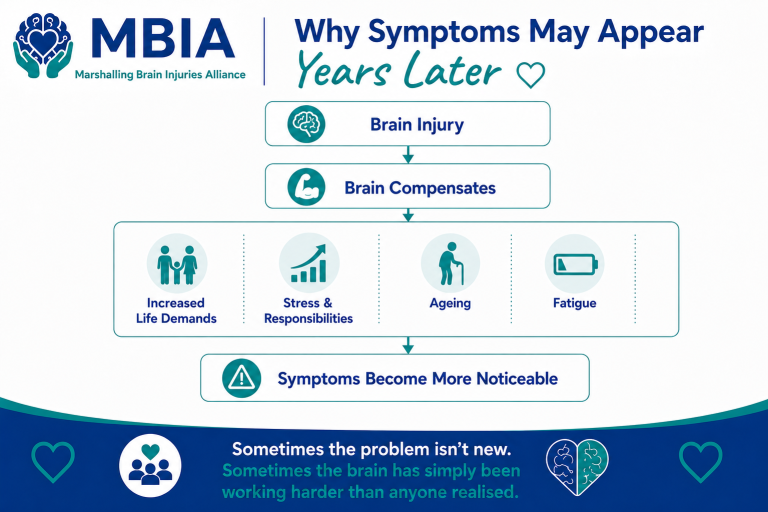
If you are experiencing symptoms years after a brain injury, you are not alone.
Many people discover connections between past injuries and current symptoms long after the original event occurred.
This does not mean your future is predetermined.
Understanding what may be contributing to your difficulties can be empowering.
Knowledge creates opportunities for support, symptom management, lifestyle changes, and improved quality of life.
It is never too late to learn more about your brain and take positive steps to support it.
Key Takeaways
- Brain injury symptoms can sometimes become more noticeable years after the original injury.
- The brain may compensate for difficulties for many years before symptoms become apparent.
- Ageing, increased life demands, fatigue, and reduced cognitive reserve may contribute.
- Common delayed symptoms include memory problems, brain fog, fatigue, emotional changes, and sleep difficulties.
- Not every new symptom is caused by a previous brain injury, and medical assessment is important.
- Repeated head trauma may increase the risk of long-term neurological problems.
- Understanding a past brain injury can help explain current symptoms and guide support.
Continue Exploring
Together We're Stronger