What Is Brain Fog?
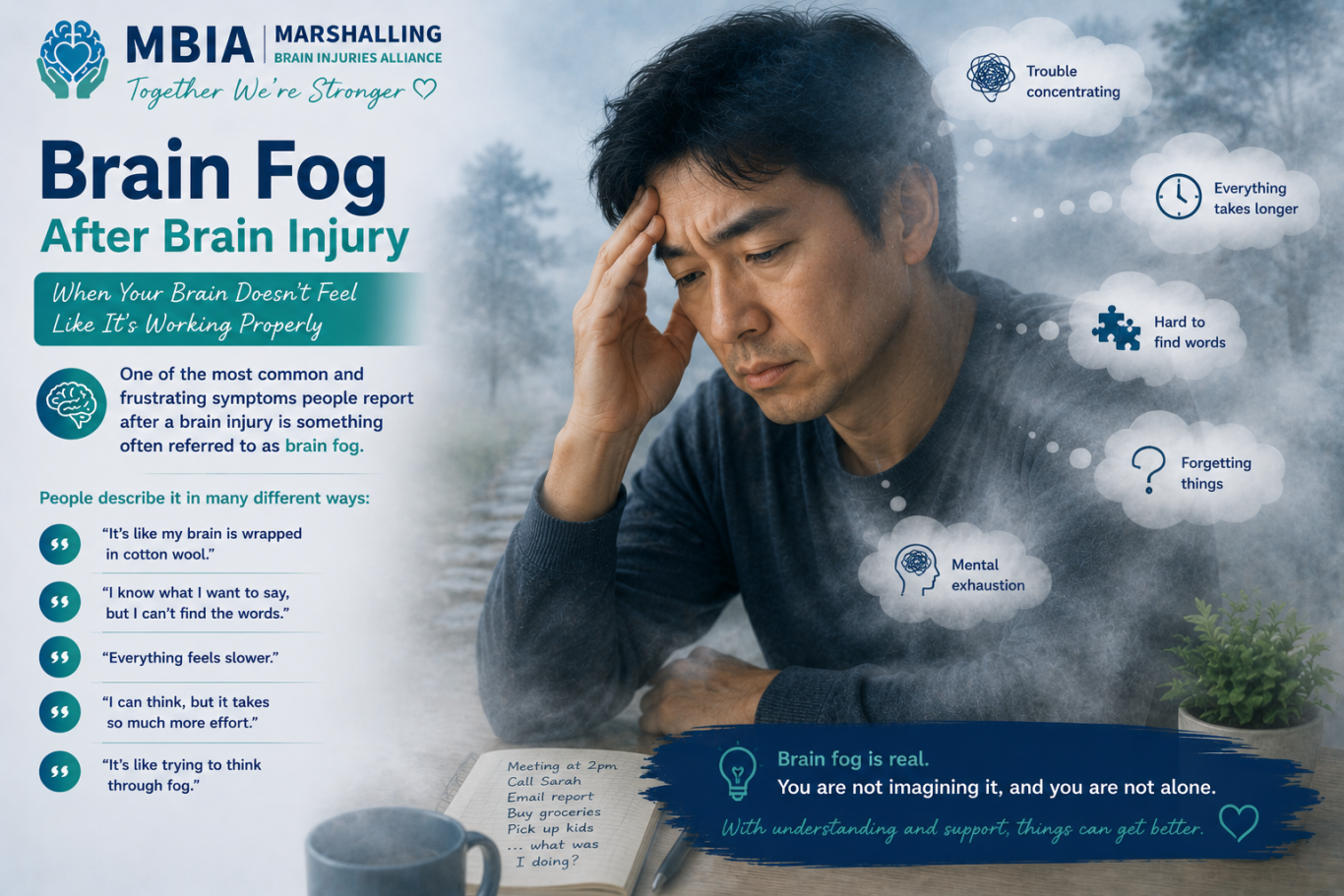
Brain fog is not a medical diagnosis itself. Instead, it is a term used to describe a collection of cognitive symptoms that affect thinking, memory, concentration, and mental clarity.
It is extremely common following:
- Concussion
- Post-Concussion Syndrome (PCS)
- Traumatic Brain Injury (TBI)
- Acquired Brain Injury (ABI)
- Chronic Traumatic Encephalopathy (CTE)
- Neurological conditions
Although invisible to others, brain fog can have a significant impact on daily life.
Brain fog describes a feeling that your brain is not functioning as clearly or efficiently as it used to.
It can affect:
- Concentration
- Memory
- Attention
- Processing speed
- Problem solving
- Communication
- Decision making
Many people say they feel mentally slower than before their injury.
This does not mean they are less intelligent.
It simply means their brain is working differently.
What Does Brain Fog Feel Like?
Everyone experiences it differently.
Common descriptions include:
- Feeling mentally slow
- Difficulty concentrating
- Trouble following conversations
- Forgetting what you were doing
- Difficulty finding words
- Losing your train of thought
- Feeling confused
- Difficulty processing information
- Struggling to multitask
- Feeling mentally overwhelmed
Some people describe it as:
"Knowing the information is there, but being unable to access it."
Why Does Brain Fog Fluctuate?
Brain fog is rarely constant.
Some days may feel much better than others.
Common reasons for fluctuations include:
- Fatigue
- Poor sleep
- Stress
- Illness
- Sensory overload
- Overdoing activities
- Pain
- Hormonal changes
A bad day does not necessarily mean recovery has stopped.
Why Does Brain Fog Happen After Brain Injury?
The brain controls everything we think, feel, remember, and do.
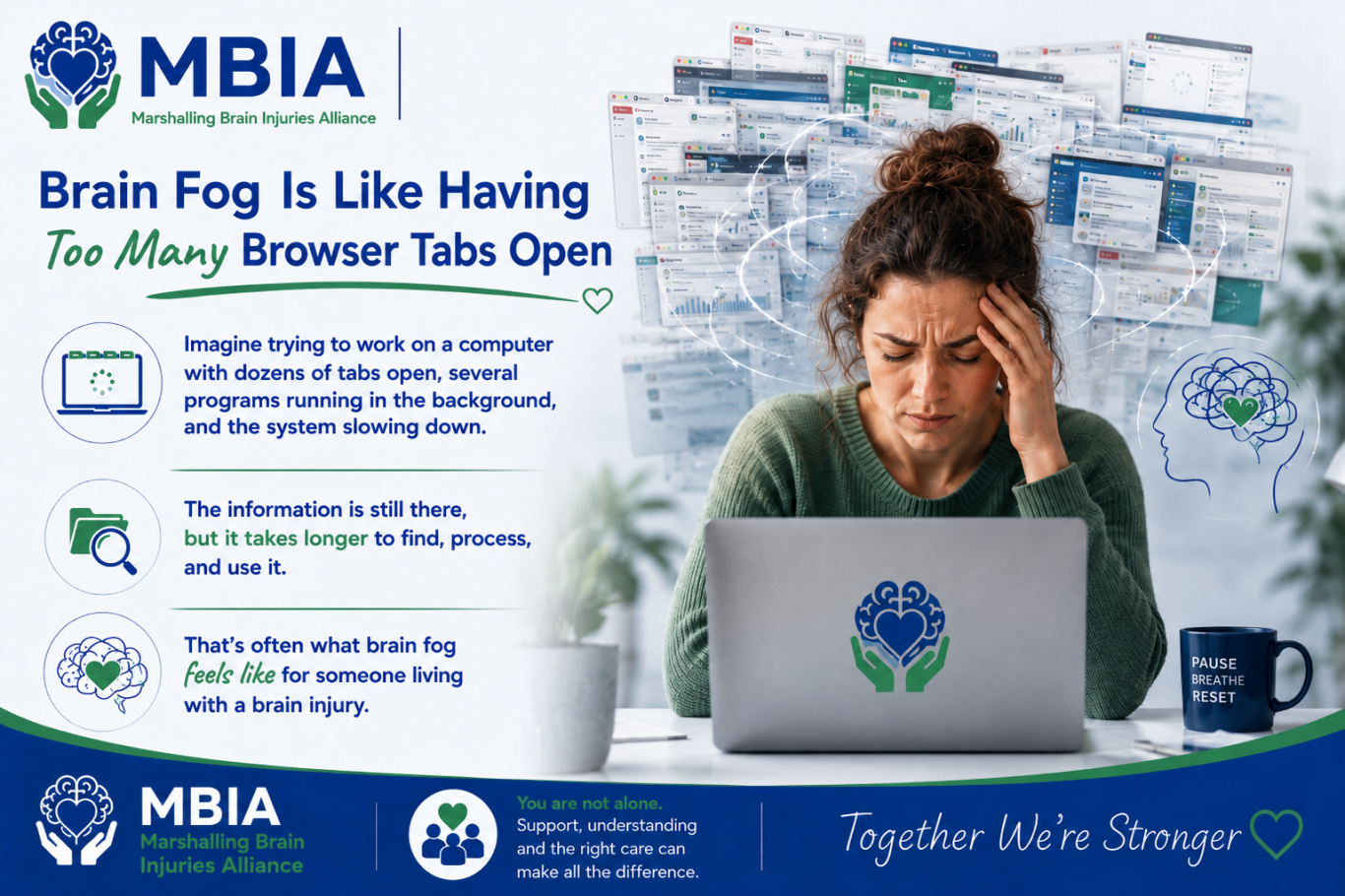
After an injury, the brain often has to work much harder to perform tasks that once happened automatically.
This increased effort can lead to cognitive difficulties commonly experienced as brain fog.
Neuro Fatigue
One of the biggest contributors to brain fog is neuro fatigue.
After a brain injury, the brain uses more energy to complete everyday tasks.
The harder it has to work, the more fatigued it becomes.
As fatigue increases, brain fog often becomes worse.
Slower Information Processing
Many people experience a reduction in processing speed.
This means the brain may take longer to:
- Understand information
- Respond to questions
- Make decisions
- Complete tasks
The information still gets there—it simply takes longer to process.
Sleep Problems
Sleep and cognition are closely linked.
Poor sleep can worsen:
- Memory
- Attention
- Concentration
- Mental clarity
Many people notice their brain fog is significantly worse after a poor night's sleep.
Sensory Overload
When the brain is overwhelmed by noise, light, movement, or information, it may struggle to process things effectively.
This often leads to increased brain fog.
Stress and Anxiety
Stress places additional demands on the brain.
When energy is being used to manage stress, less is available for thinking, concentration, and memory.
Pain and Headaches
Persistent headaches and pain can increase cognitive load.
The brain is forced to divide its attention between managing symptoms and processing information.
Common Difficulties Associated With Brain Fog
Memory Problems
You may notice:
- Forgetting conversations
- Misplacing items
- Missing appointments
- Forgetting names
- Difficulty learning new information
- Word-Finding Difficulties
Many people know exactly what they want to say but cannot retrieve the word.
This can be frustrating and embarrassing.
Difficulty Concentrating
Tasks that require sustained attention may become harder.
Examples include:
- Reading
- Watching television
- Following conversations
- Completing paperwork
Mental Slowing
You may need more time to:
- Think
- Respond
- Make decisions
- Process information
This is common after brain injury.
Difficulty Multitasking
Many people find they can no longer juggle multiple tasks as easily as before.
Trying to do too much at once often increases brain fog.
How Brain Fog Affects Daily Life
Brain fog can impact:
Work
Difficulty concentrating, remembering information, or managing workloads.
Education
Challenges with studying, reading, and learning.
Relationships
Struggling to follow conversations or remember important details.
Confidence
Many people begin doubting themselves because tasks that were once easy now feel difficult.
Brain fog is not:
❌ Laziness
❌ Lack of effort
❌ Lack of intelligence
❌ Not paying attention
People living with brain fog are often working incredibly hard just to keep up.
Patience and understanding can make a huge difference.
What Family Members Should Know
Tips for Managing Brain Fog
There is no instant cure for brain fog, but many people find these strategies helpful.
Prioritise Sleep
Sleep is one of the most powerful tools for supporting brain function.
Good sleep may improve:
- Memory
- Concentration
- Mental clarity
- Processing speed
Pace Yourself
Mental activity uses energy.
Try to balance activity and rest throughout the day.
Taking breaks before fatigue becomes overwhelming can help.
Focus on One Thing at a Time
Multitasking often increases cognitive load.
Whenever possible:
- Complete one task before starting another.
- Reduce distractions.
Use Memory Aids
Helpful tools include:
- Phone reminders
- Calendars
- Diaries
- Notes
- To-do lists
- Voice memos
Using aids is not cheating.
It is a strategy.
Reduce Sensory Overload
Consider:
- Quiet environments
- Noise-cancelling headphones
- Sunglasses
- Taking breaks from busy spaces
Stay Hydrated
Even mild dehydration can worsen cognitive function.
Eat Regularly
The brain needs a steady supply of energy.
Skipping meals may worsen symptoms.
Exercise If Appropriate
Gentle physical activity may support:
- Blood flow
- Sleep
- Mood
- Cognitive health
Always work within your own limits.
Be Patient With Yourself
One of the biggest challenges is accepting that your brain may currently need more time.
Needing extra time does not mean you are failing.
It means your brain is healing, adapting, or working harder than before.
Key Takeaways
- Brain fog is a common symptom after brain injury.
- It can affect memory, concentration, processing speed, and mental clarity.
- Common causes include neuro fatigue, poor sleep, stress, sensory overload, pain, and changes within the brain.
- Symptoms often fluctuate from day to day.
- Pacing, sleep, memory aids, and reducing cognitive overload can help.
- Brain fog does not mean a person is unintelligent or not trying.
- Many people experience improvements over time.
Continue Exploring
Together We're Stronger